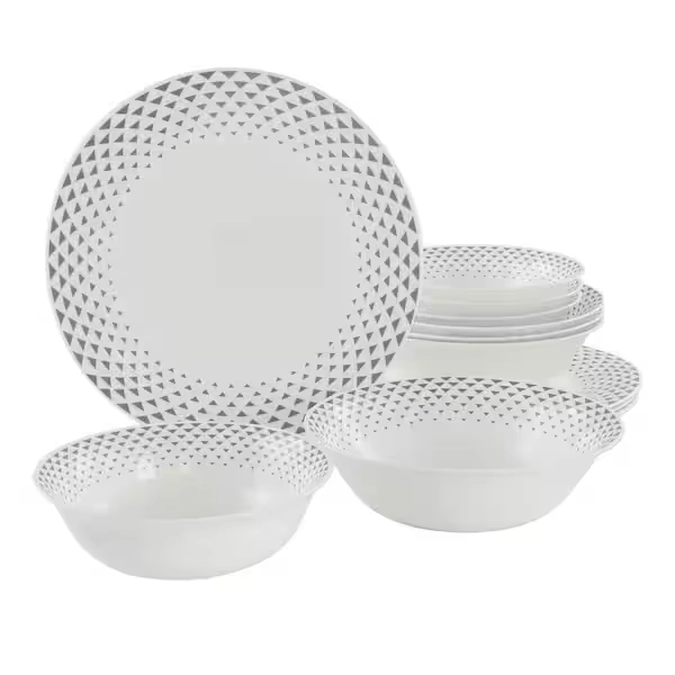
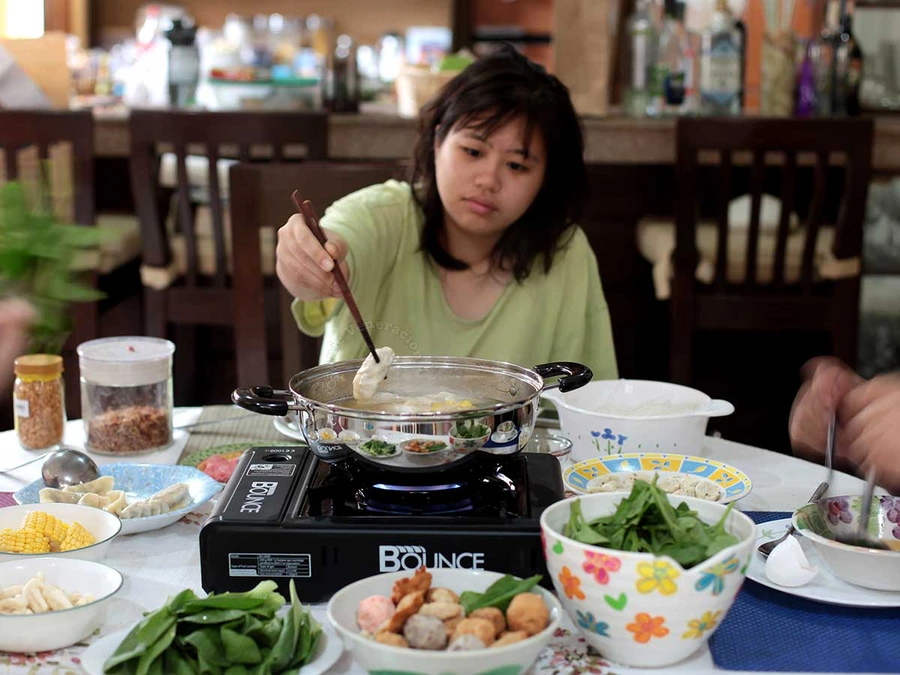
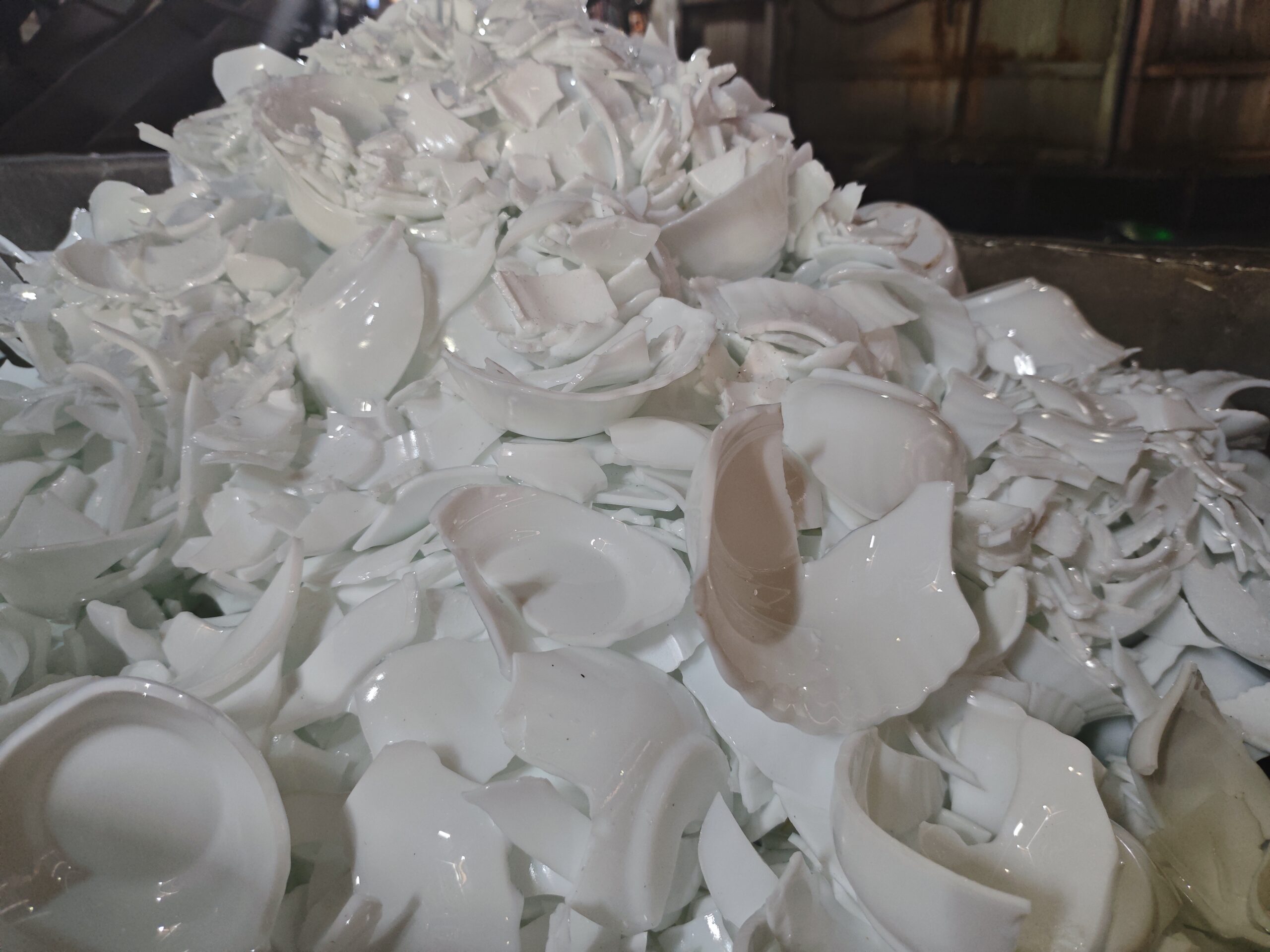
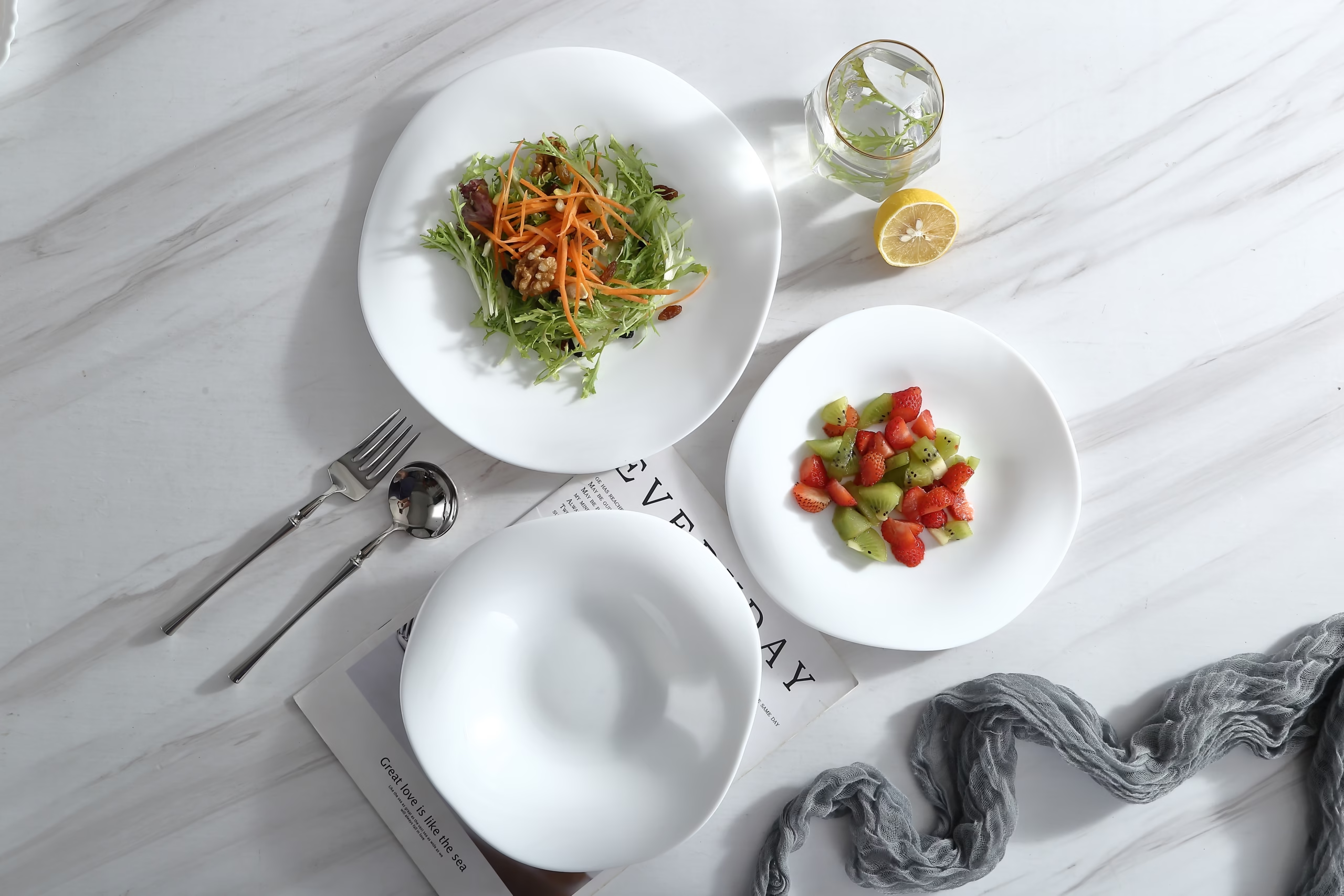
When outfitting a commercial space, choosing tableware often comes down to one critical question: How does Opal Glass Durability hold up in real-world use? For restaurant owners, distributors, and procurement teams, Commercial Restaurant Dinnerware needs to withstand constant use—from back-to-back meals to industrial dishwashing—without frequent replacements. Opal Glass Dinnerware is a popular pick, but does its reputation for being Chip Resistant Dinnerware match the demands of high-volume kitchens? This article dives into the science behind Opal Glass Durability, how it stacks up in the Opal Glass vs Ceramic debate, and why it’s a practical choice for busy foodservice operations, backed by industry certifications and real-world data.
Table of Contents
What Problems Does Breakable Dinnerware Cause?
For hotels, restaurants, and catering services, flimsy tableware creates headaches that go beyond broken dishes. It disrupts daily operations, eats into budgets, and risks safety—all things that can be avoided with choices that prioritize Opal Glass Durability, as highlighted in industry research from the National Restaurant Association.
More breakage means more money spent on replacements
Fragile Commercial Restaurant Dinnerware quietly drives up costs over time. It’s not just the initial purchase; it’s the steady stream of replacements needed after dishwasher collisions, hasty stacking, or transport bumps. Industry data shows standard ceramics can have an 8% annual breakage rate in busy kitchens—so 1,000 plates might mean restocking dozens every quarter. These repeated buys add up, and there are hidden costs too: extra safety stock ties up cash and warehouse space, while procurement teams waste time managing orders and matching colors across batches. Opal Glass Durability addresses this by cutting down on frequent replacements—SGS testing reports confirm premium opal glass has a 2-3% annual breakage rate—making the slightly higher upfront cost more cost-effective long-term.
Broken plates create safety issues
Breakable tableware puts both staff and guests at risk. For employees, washing areas are danger zones— a plate with a tiny crack can shatter mid-wash, leaving sharp shards that cut hands. This leads to missed shifts, paperwork, and team disruptions. For guests, the risk is sneakier: a chipped edge or hidden crack might go unnoticed until it scratches a hand or cracks when filled with hot food. These incidents can lead to comped meals or worse, damaging trust. Choosing Chip Resistant Dinnerware like opal glass is a simple way to reduce these preventable risks, especially since it meets strict safety standards like FDA 21 CFR Part 177.2600 and EU 10/2011 for food contact materials.
Guest complaints can damage brand reputation
Tableware condition speaks volumes about your business. A guest served on a chipped plate might complain about “unsafe” or “unprofessional” service, and in the age of social media, one photo of damaged dinnerware can spread faster than positive reviews. Internally, frequent breakage leads to mismatched plates—new and old, different shades—that make tables look messy and unpolished. If you’re prioritizing safety alongside durability, you might want to dive deeper into how opal glass ensures food safety and hygiene for both guests and staff. Investing in durable Opal Glass Dinnerware ensures a consistent, high-quality presentation that reinforces your brand’s attention to detail, keeping guests happy and avoiding negative buzz.
What Factors Contribute to the Durability of Opal Glass Dinnerware?
Opal Glass Durability isn’t by chance—it’s the result of smart material choices, careful manufacturing, and practical design, all validated by third-party testing and industry standards. Each element works together to make it stand up to the chaos of commercial kitchens.
Core Material Composition: Thermal Expansion and Shock Resistance
The first line of defense for Opal Glass Durability is its specialized formula. The key here is the coefficient of thermal expansion—how much the glass stretches or shrinks with temperature changes. Opal glass is blended to keep this coefficient low, which translates to strong Thermal Shock Resistance. According to ISO 718 testing standards, premium opal glass can withstand temperature differentials up to 135°C, far exceeding ordinary soda-lime glass. In real terms, that means you can grab a bowl from the fridge and pour in hot soup without worrying about cracks. Industry research published in food service equipment journals shows it can tolerate far more extreme heat and cold than ordinary glass, making it ideal for kitchens where dishes go from fridge to oven to dishwasher in a single shift.
Production Enhancement: The Annealing Process
Great materials need great craftsmanship to deliver Opal Glass Durability. Annealing—slow, controlled cooling—removes the internal stress that gets trapped when glass is heated and shaped. Think of it as letting the glass “unwind” instead of locking it in a tense state. Reputable manufacturers use multi-zone tempering furnaces that heat to 680-720°C before rapid, precise cooling, creating a surface compressive stress layer that boosts strength by 4-5 times. While this process adds 5-15% to the initial cost, it boosts mechanical strength, so your Commercial Restaurant Dinnerware can take the knocks of stacking and washing. With a Mohs hardness of 5.5-6, it resists most scratches from utensils, though you’ll still want to avoid scraping metal knives directly on it to keep it looking new.
Structural Design and Edge Reinforcement
Smart design is the final piece of the Opal Glass Durability puzzle. Commercial-grade opal glass dishes are built with practicality in mind: uniform wall thickness avoids weak spots, rolled edges add extra strength, and balanced weight makes them easier to handle. These design choices aren’t just guesswork—they’re validated by ASTM C149 drop tests, which show opal glass survives falls from 75cm heights 80-90% of the time. Those rounded rims aren’t just comfortable to hold—they absorb impact when dishes collide in the dishwasher or during transport. A well-designed deep plate, for example, distributes weight evenly, so it doesn’t crack when filled with heavy stew. These small details make Opal Glass Dinnerware truly Chip Resistant Dinnerware in the scenarios that matter most for busy kitchens.
<<<<
| Factor</ | Mechanism</ | Certification/Test Validation</ | Benefit to Commercial Operations</ |
|---|---|---|---|
| Low Thermal Expansion | Minimizes internal stress from temperature shifts | ISO 718 (135°C differential tolerance) | Strong Thermal Shock Resistance for fridge-to-hot-food use |
| Annealing Process | Eliminates molding stress for uniform structure | ASTM C648 (break strength testing) | Higher impact resistance during stacking and washing |
| Rolled Edge Design | Reinforces vulnerable edges against impacts | ASTM C149 (drop test survival rate) | Fewer chips from dishwasher collisions and handling |
How Does Opal Glass Compare to Ceramic and Bone China in Chip Resistance?
When choosing Chip Resistant Dinnerware, the Opal Glass vs Ceramic debate is unavoidable. Each material handles impacts differently, and the right choice depends on how your kitchen operates—with data from comparative testing shedding light on real-world performance.
Different Mechanisms: Hardness vs. Elasticity
The way each material resists chips comes down to its structure. Bone china is hard (Mohs 6-7) but brittle—hit it against a metal dishwasher basket, and it chips because it can’t absorb the impact. Ceramic is middle-of-the-road: not as hard as bone china, but not very flexible either. Opal Glass Dinnerware takes a different approach. While slightly softer (Mohs 5.5-6), it has more elasticity, thanks to its amorphous structure with dispersed opacifier particles. These particles act as micro-barriers, slowing crack propagation when impacted. For kitchens with automated dishwashers—where dishes are constantly jostling—this flexibility is a big advantage for Opal Glass Durability, as confirmed by side-by-side testing in commercial kitchen environments.
Real-world Commercial Performance
Industry feedback and third-party studies support this difference. A report from Food Service Equipment International found that in high-volume settings with frequent dishwashing, Opal Glass Dinnerware had 40-60% fewer chipped edges than thin bone china. Its ability to handle small, repeated impacts makes it a better fit for fast-paced kitchens where dishes are used and washed multiple times a day. Ceramic, while affordable, often can’t keep up with the same level of use without showing chips—especially lower-fired ceramic with porous structures. It’s not that opal glass is indestructible—no material is—but it fails less often in the daily scenarios that cause most breakages, as validated by long-term trials in chain restaurants.
Drop Test Scenarios
It’s important to set realistic expectations: any dish will break if dropped from counter height onto a hard floor. But the way they break differs, and safety standards highlight this difference. Opal Glass Dinnerware shatters into smaller, blunter fragments compared to ceramic’s sharp shards, reducing injury risk per FDA safety guidelines. The key takeaway? If most of your breakages happen during washing and stacking, Opal Glass Durability is a game-changer. If your staff handles dishes gently (like in a high-end banquet setting), bone china might work. But for most Commercial Restaurant Dinnerware needs—busy shifts, quick turnarounds, and automated washing—opal glass is more reliable, with verified breakage rates 3-5 times lower than standard ceramic in commercial use.
<<<<
| Feature</ | Opal Glass</ | Ceramic (Clay)</ | Bone China</ |
|---|---|---|---|
| Chip Resistance (Impact) | Strong (Absorbs Energy) – 2-3% annual breakage | Moderate – 8-12% annual breakage | Fair (Brittle) – 4-6% annual breakage |
| Thermal Shock Resistance | High (135°C differential, ISO 718) | Moderate (80°C differential) | Low to Moderate (70°C differential) |
| Primary Failure Mode | Shattering on high drops (blunt fragments) | Chipping/Cracking (sharp edges) | Chipping/Shattering (sharp shards) |
| Best Application | High-volume, automated wash cycles | General Dining (low to medium turnover) | Carefully handled banquet settings |
FAQ
How does the ROI of Opal Glass Durability compare to ceramic for high-volume buffets?
While Opal Glass Dinnerware has a slightly higher upfront cost than standard ceramic, its durability pays off. Backed by National Restaurant Association data, lower breakage rates (2-3% vs. 8-12% for ceramic) mean fewer replacements, cutting total ownership costs by 20-30% over two years. For buffets with constant use, that savings adds up fast—many operations see ROI within 18-24 months.
Is Opal Glass vs Ceramic better for commercial microwave use?
Yes. Opal glass has better Thermal Shock Resistance and lower porosity than ceramic, so it doesn’t absorb moisture that can cause cracks when heated. It’s also certified microwave-safe under FDA guidelines, as its silica base doesn’t absorb microwave energy. This makes it safer and more reliable for reheating food in busy commercial kitchens, as noted in specialized guides for foodservice equipment.
Can Commercial Restaurant Dinnerware made of opal glass withstand industrial dishwashers?
Absolutely. Opal Glass Dinnerware is designed for industrial sanitization, withstanding 5,000+ commercial dishwasher cycles (per ISO 15874 testing) without surface degradation. Its smooth, non-porous surface resists detergent corrosion, and its flexibility handles the vibrations and collisions of commercial dishwashers better than brittle materials. This durability is why it’s a top choice for high-turnover establishments.
Does “Chip Resistant Dinnerware” mean it will never break?
No. Chip Resistant Dinnerware like opal glass is engineered to handle daily impacts—stacking, washing, minor bumps—per ASTM C149 testing standards. But severe impacts, like drops from table height onto concrete, will still cause breakage. The key advantage is that it fails far less often in routine use, reducing replacement costs and safety risks.
Is opal glass heavy?
Opal glass strikes a balance: lighter than thick ceramic (20-30% lighter) but sturdier than delicate bone china. A standard 9-inch opal glass plate weighs 300-400g, making it easy for staff to carry in stacks. This reduces fatigue and accidental drops—another way it supports Opal Glass Durability. It’s heavy enough to feel substantial but not cumbersome, a sweet spot validated by foodservice ergonomics studies.
If you are reading this and would like to try some new samples while learning about this product information, may I invite you to share your inquiry with me? Our opal glass dinnerware product range covers various details you may want to know about, and you can also learn more about us through our Jointion brand offical website.