
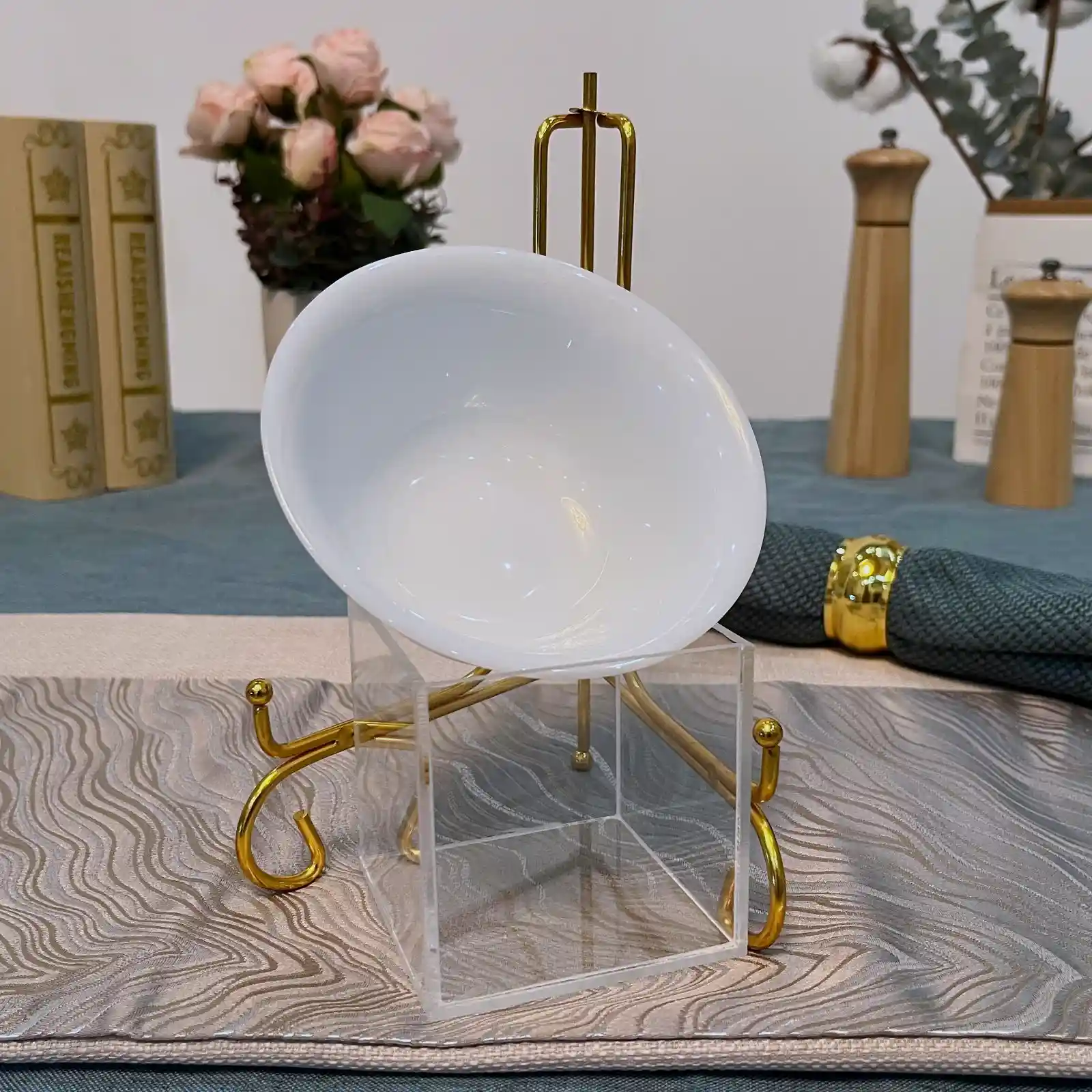
Cost-Effective Opal Glass Bowls | Durable & Low Breakage

BenefitDescription
Save More Over Time — Not Just at CheckoutOpal glass bowls last years longer than ceramic, cutting replacement costs by up to 35% over a ten-year period.
Lower Breakage, Fewer ReordersWith an annual breakage rate near 8–12% versus 20%+ for ceramic bowls, bulk buyers recover cost differences in under two years.
Tempered to Handle Real Kitchen LifeEach bowl resists chips, thermal shock up to 135 °C, and daily dishwasher use — staying intact where cheaper options fail.

Video and What We Can Customize for you

Size Customization

Available from 3.5″ to 9.0″ — including 4.0″, 4.5″, 4.9″, 5.0″, 5.5″, 6.0″, 6.25″, 6.5″, 7.7″, and 8.5″ — to suit dipping bowls through large serving bowls.

Offered in White, Black, Jade Green, Topaz Yellow, and White Jade — five tones that fit both neutral and themed table settings.

Supports decal transfer, low-temperature embossing, screen printing, and sandblast etching — all built to last through commercial wash cycles.

Round, square, oval, flat-rim, lotus, and leaf-profile bowl forms — each stackable, ergonomic, and suited for everyday or formal dining.

Retail gift boxes, branded carton sleeves, bulk export packing, or promo kits — all tailored to your brand and import requirements.

Four Best-Selling Decal Designs

The four designs on the right are the best-selling in this series so far, and here are the top 5 countries that have been inquiring the most:

    1. Saudi Arabia — kabsa rice bowls, lentil soup, yogurt sides
    2. Vietnam — phở noodle bowls, bún bò Huế, chè desserts
    3. United States — cereal bowls, oatmeal, chili, salad
    4. India — dal, curry, raita, rice serving bowls
    5. Germany — stew, muesli, cream soup, pudding bowls

FAQs

Contact Person Icon

Commernts Question People Often Curious

It gathers the five most frequently asked questions by users regarding this product. If you are also interested, you can click to have a look.

How do opal glass bowls save money compared to ceramic?
They break less often. In busy kitchens, opal glass bowls see around 8–12% annual breakage versus 20%+ for ceramic. That means fewer reorders, lower freight costs, and less waste. Most restaurant operators find the savings cover any upfront price gap within 18–24 months. Over ten years, total spending on opal glass bowls can run 25–35% below ceramic of the same size.
Yes. The tempering process makes each bowl three to five times stronger than regular glass. They handle thermal shock up to 135 °C, stack without chipping, and go through commercial dishwashers multiple times a day. The non-porous surface does not absorb stains or odors, so bowls stay hygienic and look clean even after years of heavy rotation.
Standard white opal glass bowls start at 500 pieces per size, with mixed-size container loading available. Custom colors or logo decoration typically require 500-1000 pieces per design. Sample runs of 5-10 pieces are offered so buyers can test durability in their own operation before committing to a full order.
Yes. Mixed container loading lets you put 3.5″ dipping bowls, 6.5″ cereal bowls, and 9.0″ serving bowls in the same shipment. This keeps freight costs down and prevents overstocking a single size — especially helpful for distributors who supply restaurants, hotels, and retail stores with different needs.
Low-price ceramic bowls chip and crack faster, which leads to frequent reorders, extra shipping, and an inconsistent look on the table. Opal glass bowls hold their shape and finish through years of daily use. When you add up fewer replacements, less waste, and lower restocking labor, the more durable option costs less across the full product lifecycle.
Scroll to Top

Contact us

Connect with us for tailored solutions, partnership opportunities, or product inquiries — we’re ready to support your vision.

learn More​

Please let us know the products or service you want to know  and we will contact you as soon as possible.