Opal glass dinnerware is revolutionizing commercial kitchens and hospitality establishments worldwide. This premium material combines exceptional durability with microwave-safe functionality and chip-resistant properties, making it the preferred choice for high-volume foodservice operations. As more businesses seek reliable, long-lasting tableware solutions, opal glass dinnerware emerges as a cost-effective investment that addresses common operational challenges while maintaining elegant aesthetics. This comprehensive guide analyzes why restaurant-grade opal glassware continues to gain market share among commercial buyers.
Table of Contents
Is Opal Glass Dinnerware Good? Why More People Are Choosing This Material
The growing preference for opal glass dinnerware among commercial buyers stems from five fundamental advantages that directly impact operational efficiency and cost management.
Superior Impact Resistance Through Advanced Tempering
The manufacturing process of opal glass dinnerware involves specialized tempering techniques that create a dense molecular structure. This process significantly enhances the material’s ability to withstand impacts from typical serving heights of 75-80cm. The uniform internal stress distribution achieved through controlled heating and cooling cycles means that when dropped onto hard surfaces like tile floors, these pieces are far less likely to shatter completely compared to standard ceramic alternatives.
Industry data consistently demonstrates that establishments using restaurant-grade opal glassware experience breakage rate reductions of 40-60% compared to conventional ceramics. This translates to fewer replacement orders throughout the year, lower inventory management complexity, and reduced emergency procurement costs.
Exceptional Thermal Performance for Microwave Applications
Microwave safe dinnerware must meet stringent requirements for even heat distribution and thermal shock resistance. Opal glass dinnerware excels in both areas due to its low thermal expansion coefficient. The material experiences minimal volume change when exposed to temperature fluctuations, preventing the stress fractures that plague many ceramic alternatives.
This thermal stability allows pieces to transition safely from refrigerated storage directly to microwave ovens, then through commercial dishwasher cycles operating at 70-90°C, without risk of cracking. The glass composition itself does not absorb microwave energy, ensuring that only the food heats while the vessel remains at a manageable temperature for handling.
Chip-Resistant Properties That Maintain Appearance
The hardened surface of chip-resistant opal glass dinnerware demonstrates remarkable resilience against edge damage during stacking, washing, and daily handling. The tempered glass structure maintains its integrity through thousands of commercial dishwasher cycles, with minimal visible wear to edges or surfaces. This durability ensures table settings remain visually consistent, a critical factor for establishments where presentation quality directly impacts guest experience and brand perception.
Food-Safe Composition with Comprehensive Certifications
Premium opal glass dinnerware consists primarily of silica dioxide, sodium oxide, and calcium oxide fused at high temperatures into a stable, non-porous glass matrix. This composition eliminates concerns about harmful substance migration that can occur with improperly manufactured ceramics containing lead or cadmium in glazes.
The material’s chemical stability means it will not react with acidic foods like tomato sauces, alkaline dishes, or fatty preparations. Quality manufacturers ensure compliance with FDA standards, EU LFGB regulations, and other international food safety requirements, providing documented assurance for businesses subject to health inspections.
Lightweight Construction Reducing Labor Strain
A standard 25-26cm opal glass dinner plate typically weighs 300-400 grams, approximately 20-30% lighter than equivalent porcelain pieces. This weight reduction becomes significant when service staff carry multiple items or during high-volume catering events. The ergonomic advantage translates to reduced worker fatigue, fewer handling accidents, and lower shipping costs for large orders.
| Performance Metric | Opal Glass | Standard Ceramic | Tempered Glass |
|---|---|---|---|
| Annual Breakage Rate | 0.5-1.2% | 3-5% | 1.5-3% |
| Microwave Safe | Yes, full compatibility | Varies by glaze | Not recommended |
| Commercial Dishwasher Lifespan | 5,000+ cycles | 1,000-2,000 cycles | 3,000-4,000 cycles |
| Temperature Tolerance Range | -20°C to 150°C | Limited range | Limited range |
Key Factors People Consider When Purchasing Opal Glass Dinnerware
Commercial buyers conduct thorough evaluations of restaurant-grade opal glassware based on specific operational requirements and business objectives.
Durability Testing and Expected Lifespan
Procurement teams prioritize durability assessment through standardized drop tests from 80cm heights onto hard surfaces. They examine resistance to commercial dishwasher abrasion by reviewing manufacturer data on cycle endurance. Quality opal glass dinnerware undergoes rigorous testing protocols to ensure consistent performance across production batches.
Buyers investigate the tempering process specifications, asking about the heating temperatures, cooling rates, and quality control measures. They compare quoted lifespan estimates against actual usage data from similar establishments. The expected service life of 3-5 years for chip-resistant opal glass dinnerware in high-volume operations significantly exceeds the 1-2 year typical replacement cycle for standard ceramics.
Equipment Compatibility and Operational Integration
Functional compatibility with existing kitchen equipment ranks among the top priorities. Buyers verify that microwave safe dinnerware can handle rapid heating cycles without developing hot spots or structural failure. They confirm that pieces can safely transition through commercial warewashing systems operating at elevated temperatures and using industrial-strength detergents.
The ability to use opal glass dinnerware across multiple applications eliminates the need for separate inventory systems. Pieces that work equally well for cold service, microwave reheating, and oven warming up to 150°C provide operational flexibility that streamlines workflow and reduces training complexity for staff.
Safety Certifications and Hygiene Standards
Decision-makers scrutinize food safety documentation, requiring evidence of compliance with FDA, LFGB, and relevant local regulations. They verify that products contain no lead, cadmium, or other restricted substances. The non-porous surface of quality opal glass prevents bacterial colonization and eliminates concerns about staining from highly pigmented foods like curry or soy sauce.
Buyers appreciate that the material’s inherent properties, rather than applied coatings, provide safety assurance. The glass composition remains stable throughout the product lifecycle, with no risk of glaze deterioration or coating separation that could compromise food safety.
Aesthetic Design and Brand Alignment
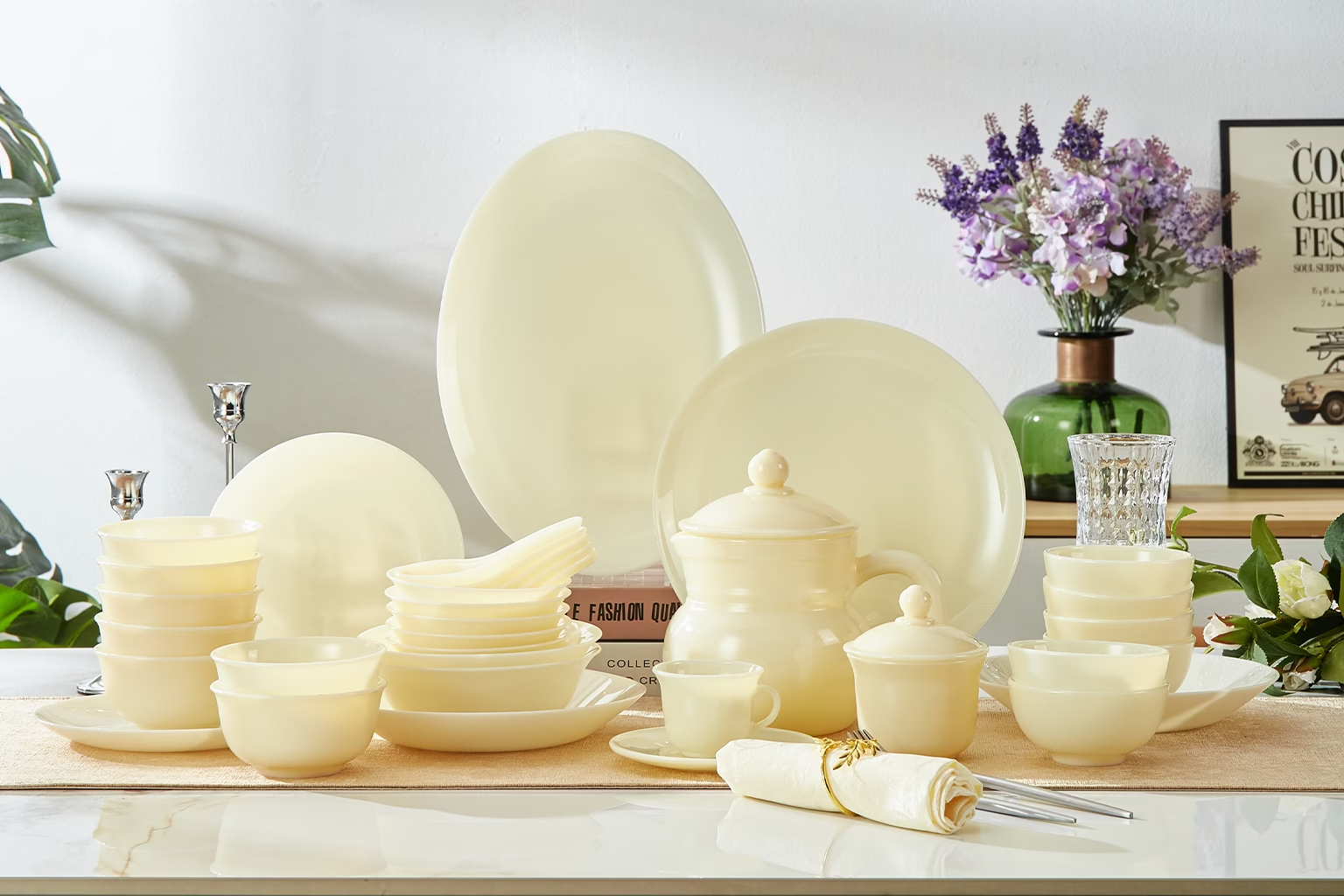
The characteristic milky-white translucence of restaurant-grade opal glassware offers visual appeal that complements diverse culinary presentations. Buyers evaluate whether the clean, modern aesthetic aligns with their brand positioning and interior design scheme. The neutral palette serves as an effective backdrop for colorful dishes while maintaining an upscale appearance.
Product line completeness matters significantly. Buyers prefer suppliers offering coordinated ranges including various plate sizes, bowls, serving pieces, and specialty items.See our complete Opal Glass Dinnerware Collection to find the perfect match for your establishment. Consistency in color tone and finish across the entire collection ensures cohesive table settings. The inherent color stability of opal glass, where the white appearance results from the material composition rather than surface treatment, guarantees long-term aesthetic consistency.
Total Cost Analysis and Value Proposition
While unit prices for opal glass dinnerware typically range from several dollars to over ten dollars depending on size and design complexity, buyers conduct comprehensive total cost of ownership calculations. These analyses factor in initial purchase price, expected lifespan, predicted replacement rates, and maintenance requirements.
Smart procurement teams recognize that lower upfront costs often lead to higher long-term expenses through frequent replacements. They calculate the annualized cost by dividing total investment by expected years of service, comparing this figure across different material options. The superior durability of chip-resistant opal glass dinnerware frequently results in lower annual costs despite higher initial pricing.
How Opal Glass Dinnerware Solves Common Tableware Problems
Restaurant-grade opal glassware provides systematic solutions to persistent operational challenges facing foodservice establishments.
Dramatically Reducing Replacement Costs
The exceptional impact resistance of opal glass dinnerware directly addresses the most expensive ongoing tableware cost: replacement due to breakage. Standard ceramic pieces frequently chip, crack, or shatter during normal operations involving transport, stacking, washing, and service. These failures trigger repeated purchase orders, emergency procurement at premium prices, and constant inventory monitoring.
By reducing breakage incidents by 40-60%, microwave safe dinnerware made from tempered opal glass transforms this cost center. Annual replacement budgets decrease substantially. Procurement teams spend less time managing reactive orders and more time on strategic sourcing. The predictable lifespan of 3-5 years allows for planned replacement cycles rather than emergency responses to depleted inventory.
Eliminating Food Safety Vulnerabilities
Porous ceramic surfaces create food safety risks by harboring bacteria in microscopic crevices that resist thorough cleaning. Staining from foods indicates that substances penetrate beyond the surface, raising concerns about cross-contamination between service occasions. Damaged glazes on inferior ceramics may expose substrates containing harmful elements.
The completely vitrified, non-porous surface of opal glass microwave safe dinnerware eliminates these vulnerabilities. The dense glass structure prevents any penetration by liquids, oils, or food particles. Cleaning becomes genuinely effective rather than merely cosmetic. Regular commercial dishwasher cycles remove all residues, ensuring each use starts with a truly sanitized surface. This reliability proves especially valuable for establishments serving vulnerable populations or operating under stringent health department oversight.
Maintaining Consistent Table Presentation
Uneven table settings undermine guest perception of quality. When dining rooms display a mix of pristine and visibly worn pieces, the overall impression suffers regardless of food quality. Traditional ceramics develop edge chips, surface scratches, and discoloration that force premature retirement of otherwise functional items to maintain appearance standards.
Chip-resistant opal glass dinnerware maintains uniform appearance throughout extended service life. The hard glass surface resists scratching during stacking and washing. The inherent coloration cannot fade or yellow since it results from the material composition rather than applied coatings. Edge integrity persists through thousands of uses. This durability means entire sets age gracefully together, allowing establishments to maintain impeccable presentation standards without constantly culling damaged pieces.
Streamlining Operational Workflows
Equipment-specific tableware complicates operations. When certain pieces cannot withstand dishwasher heat, require hand washing, or prohibit microwave use, staff must sort, track, and handle items differently. This complexity increases labor costs, creates opportunities for errors, and slows service speed.
Universal equipment compatibility of restaurant-grade opal glassware simplifies workflows substantially. All pieces flow through standard commercial dishwashing systems without special handling. Items work safely in microwave ovens for reheating. The temperature tolerance allows direct transfer from refrigeration to heat sources. Staff training becomes straightforward since handling procedures remain consistent across the entire inventory. This standardization reduces labor hours while improving operational efficiency.
Reducing Environmental Impact
Frequent replacement of broken tableware generates substantial waste streams. Ceramic pieces cannot be recycled effectively, ending in landfills. The manufacturing energy required for constant replacement production creates ongoing environmental costs. Transportation emissions from repeated shipments add to the ecological footprint.
The extended lifespan of opal glass dinnerware significantly reduces waste generation. Fewer replacements mean less manufacturing demand and reduced shipping frequency. At end of life, glass materials offer better recycling prospects than ceramics. For establishments prioritizing sustainability, the durability advantage translates directly to reduced environmental impact alongside cost savings.
Is Opal Glass Dinnerware Worth the Investment? Cost-Benefit Analysis
Comprehensive Total Cost of Ownership
Initial acquisition costs for opal glass microwave safe dinnerware typically run 20-30% higher than basic ceramic alternatives. However, financial analysis must extend beyond purchase price to encompass total cost of ownership over the useful life.
A complete cost model includes initial procurement expense, expected service lifespan, projected annual breakage rates, replacement purchases required, inventory carrying costs, and handling labor. When establishments apply realistic usage assumptions to quality opal glass dinnerware, the extended 3-5 year lifespan versus 1-2 years for standard ceramics fundamentally changes the economics.
Specific cost advantages include reduced replacement purchases by 40-60% annually, lower emergency ordering expenses that typically carry premium pricing, decreased inventory management complexity, and reduced warehousing space requirements for backup stock. The higher upfront investment distributes across significantly more service occasions, resulting in superior long-term value.
Operational Efficiency Gains
The durability of chip-resistant opal glass dinnerware generates operational benefits beyond direct material costs. Staff time devoted to breakage documentation, replacement requests, and inventory reconciliation decreases by approximately 75%. This recovered labor capacity redirects to revenue-generating activities or allows reduced staffing levels.
Consistent table presentation eliminates guest complaints about mismatched or worn-looking pieces. Standardized handling procedures reduce training time for new employees. Universal equipment compatibility streamlines kitchen operations by eliminating special handling requirements. These efficiency gains compound over time, creating sustained competitive advantages.
Risk Mitigation Value
Food safety assurance provided by certified, non-porous opal glass dinnerware reduces liability exposure. Health department violations carry financial penalties, negative publicity, and potential closure orders. The documented safety profile of quality opal glass minimizes these risks.
Consistent inventory availability prevents service disruptions. Establishments using fragile tableware face potential shortages during peak periods when breakage accelerates. The reliability of restaurant-grade opal glassware ensures adequate inventory remains available throughout high-volume periods, protecting revenue and guest satisfaction.
| Cost Category | Standard Ceramic | Opal Glass Dinnerware | Savings Percentage |
|---|---|---|---|
| Annual Replacement Investment | $3,200 | $1,500 | 53% |
| Staff Management Hours Per Year | 45 hours | 12 hours | 73% |
| Emergency Orders Annually | 6 instances | 1 instance | 83% |
| Warehousing Space Required | 100% | 60% | 40% |
Return on Investment Timeline
Typical ROI analysis for premium tableware investments shows payback periods of 18-24 months for high-volume operations. The calculation considers reduced replacement costs, lower labor requirements, and avoided service disruptions. Establishments with higher turnover rates or more challenging handling conditions may achieve even faster payback through greater breakage reduction.
Beyond the payback period, continued savings accumulate as pure profit improvement. The cumulative financial benefit over a 5-year horizon can exceed 200% of the initial investment differential when compared to repeatedly replacing cheaper alternatives.
Frequently Asked Questions
What makes opal glass dinnerware truly microwave safe compared to other materials?
Opal glass dinnerware achieves genuine microwave safety through its low thermal expansion coefficient and non-reactive glass composition. The material does not absorb microwave energy, preventing hot spots that plague many ceramics. The tempered structure withstands rapid temperature changes without cracking, allowing safe transitions from refrigerator to microwave. Quality manufacturers like Jointion test each product line to ensure consistent microwave performance across thousands of heating cycles.Visit JCTableware for more details on our certified manufacturing standards.
How does the breakage rate of chip-resistant opal glass dinnerware compare to bone china in commercial settings?
Chip-resistant opal glass dinnerware demonstrates 3-5 times better edge durability than bone china in high-volume commercial applications. While bone china offers aesthetic appeal, its crystalline structure makes it vulnerable to chipping during stacking, transport, and washing. Restaurant-grade opal glassware maintains structural integrity through impacts that would damage bone china, resulting in annual breakage rates of 0.5-1.2% versus 2-4% for bone china in similar usage conditions.
Can opal glass dinnerware withstand the harsh conditions of commercial dishwashers?
Premium opal glass dinnerware excels in commercial dishwasher environments. The tempered glass structure endures the thermal shock from hot water jets, aggressive detergents, and rapid temperature cycling. Quality pieces maintain clarity and finish through 5,000+ commercial wash cycles without clouding or surface degradation. The non-porous glass surface prevents detergent absorption and eliminates the etching that affects many ceramic alternatives, ensuring consistent appearance throughout extended service life.
What minimum order quantities should commercial buyers expect when purchasing restaurant-grade opal glassware?
Minimum order quantities vary by manufacturer and product line. Direct factory purchases typically require orders of 1,000-5,000 pieces for custom specifications, while standard stock items may have lower minimums of 500-1,000 pieces. Distributors often offer smaller quantities for initial trials, allowing establishments to test performance before committing to full inventory replacement. Volume pricing becomes more favorable at higher quantities, with significant discounts available for orders exceeding 10,000 pieces.
How should establishments calculate the true cost difference between opal glass dinnerware and cheaper alternatives?
Accurate cost comparison requires total cost of ownership analysis rather than unit price comparison. Calculate annual costs by dividing initial investment by expected years of service, then add projected annual replacement costs based on estimated breakage rates. For microwave safe dinnerware made from opal glass with 3-5 year lifespan and 40-60% lower replacement needs, annual costs typically fall below cheaper ceramics despite higher purchase prices. Include labor savings from reduced breakage management and operational efficiency gains from equipment compatibility for complete analysis.