Choosing microwave safe plates for your commercial kitchen requires balancing safety, durability, and budget. Whether you’re running a busy restaurant, managing a catering service, or operating a high-volume cafeteria, the right durable dinnerware for restaurants makes a real difference. This guide will walk you through evaluating all options to find the best microwave safe plates for your needs.
Table of Contents
Why Commercial Kitchens Need Microwave Safe Plates
In today’s commercial kitchens, the conversation has shifted from aesthetics to safety. There are practical reasons why microwave safe plates have become essential equipment.
The Health and Safety Imperative
When food heats in a microwave, temperature increases can accelerate chemical migration from container to food. This concern is particularly relevant with certain plastics or untested materials. Many commercial operators now prioritize non-toxic microwave safe dinnerware as a precautionary measure.
Beyond chemical risks, physical safety matters. Non-heat-resistant plates can warp, melt, or shatter during service, creating hazards in busy kitchen environments. For commercial operations serving the public, these aren’t just inconveniences but serious liability concerns.
The Operational Efficiency Factor
During rush hours, every workflow step impacts efficiency. Quality microwave safe plates streamline operations significantly. Staff can transition plates directly from refrigeration to microwave to service without container transfers.
This efficiency gains importance in high-volume settings. Eliminating transfer steps saves labor time and reduces dishwashing loads. For takeout services, using the same container for storage, reheating, and serving has become essential for competitiveness.
Types of Microwave Safe Plates Available
Understanding your options is the first step toward informed decision-making. Here’s an overview of materials suitable for commercial use as microwave safe plates.
Borosilicate Glass Options
Borosilicate glass offers excellent thermal shock resistance due to its low thermal expansion coefficient. This means it handles rapid temperature changes well, like moving directly from refrigeration to microwave heating.
The dense glass surface resists interaction with acidic or oily foods and cleans easily. The transparency aids in food identification and portion control. However, standard glass options can be heavy and remain breakable if dropped from height.
Tempered Glass Variations
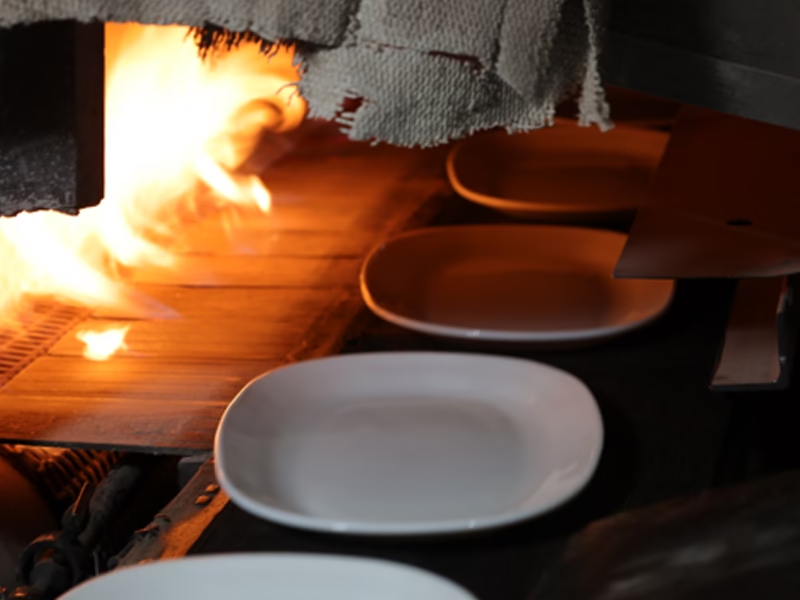
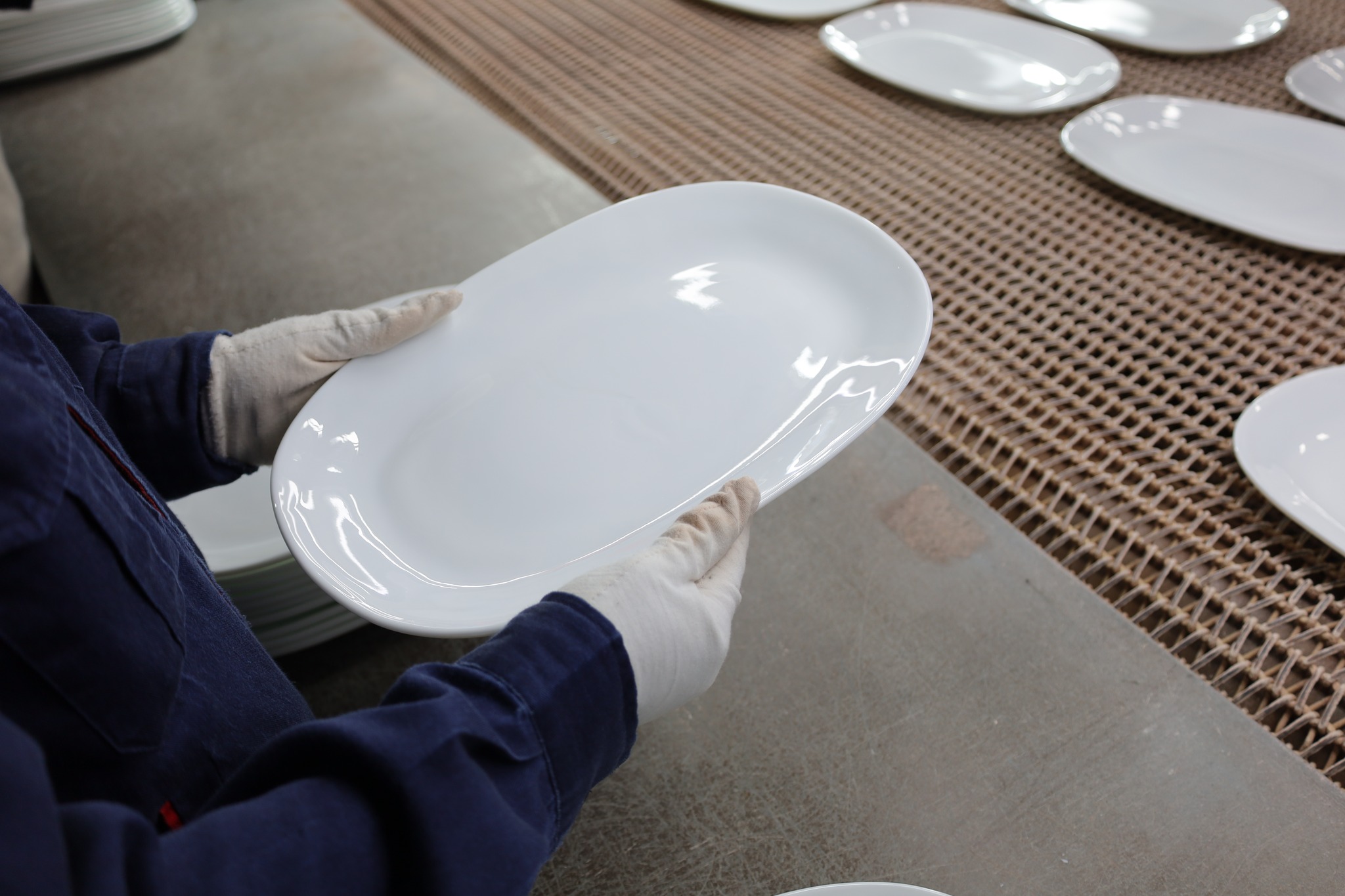
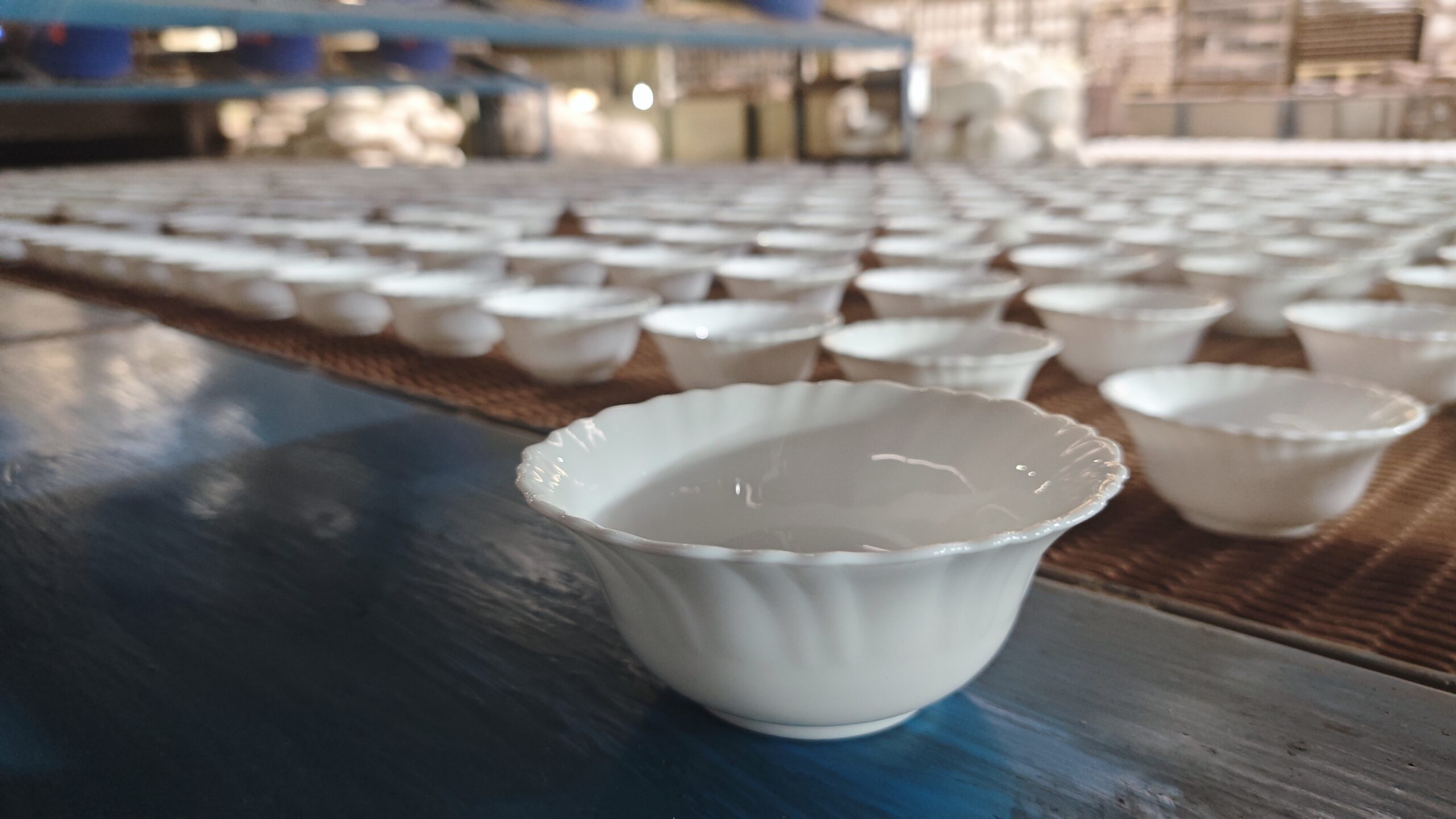
Tempered glass undergoes a strengthening process that increases its durability. One popular variation is opal glass, which features a milky-white appearance created through specific manufacturing processes.
The tempering process creates internal tension that enhances impact resistance. Many commercial kitchens report reduced breakage rates with tempered options. These materials typically handle temperature swings exceeding 150°C without cracking.
When sourcing tempered glass dinnerware for commercial applications, working with established commercial tableware manufacturers ensures consistent quality and performance standards. Reputable suppliers provide detailed specifications on thermal shock resistance, impact testing results, and relevant food safety certifications. For example, quality manufacturers offer transparent documentation of their glass production processes, including tempering protocols and third-party safety testing results to help you make informed purchasing decisions.

Advantages of Tempered Glass for Commercial Use:
- Excellent thermal shock resistance for fridge-to-microwave transitions
- Enhanced durability against accidental impacts
- Reliable stacking without sticking
- Balanced weight for handling and perceived quality
- Non-porous surface prevents staining and odor retention
Ceramic and Porcelain Options
Traditional ceramic dinnerware remains popular in many food service settings. For microwave safety, properly fired ceramics with fully vitrified structures are essential. Any decorative elements containing metal must be avoided for microwave use.
Ceramic offers excellent presentation value with diverse design options. The material’s heat retention keeps dishes warmer at the table. However, impact resistance varies, and chips or cracks in the glaze can compromise safety over time.
Food-Grade Plastic Solutions
Polypropylene (marked “5” or “PP”) provides practical solutions for specific commercial situations. With melting points above typical microwave temperatures, these plates resist warping during normal use.
The primary advantages are breakage resistance and light weight. This makes them suitable for outdoor catering, institutional settings, or operations where rough handling is expected. Budget considerations often favor these options for large-scale operations.
Safety Analysis: Comparing Different Materials
When evaluating ceramic vs glass microwave safe plates, understanding their fundamental differences helps make informed choices for your commercial kitchen.
Essential Safety Criteria
All microwave safe plates must meet three criteria: chemical stability during heating, physical heat resistance without deformation, and appropriate interaction with microwave energy. Materials should not create hot spots or interfere with proper heating.
Understanding Non-Toxic Certifications
When evaluating non toxic microwave safe dinnerware, understanding certification standards helps ensure food safety. Materials that qualify as truly non-toxic maintain chemical stability during heating, preventing migration of harmful substances into food.
Glass materials like borosilicate and tempered glass are inherently inert, offering natural protection against chemical leaching. For ceramic and plastic options, look for these key certifications:
- FDA Food Contact Compliance – Confirms materials meet US standards for food safety under heating conditions
- LFGB Certification – European standard for food contact materials, often considered more stringent than other benchmarks
- Proposition 65 Compliance – California standards addressing specific chemical concerns in commercial foodservice
- BPA-Free Designation – Important for plastic options to avoid endocrine disruptors that may affect health
Commercial operations should request certification documentation from suppliers and verify third-party testing results rather than relying solely on marketing claims. This due diligence ensures your non toxic microwave safe dinnerware meets genuine safety standards.When evaluating suppliers, look for manufacturers who openly share their FDA food contact compliance documentation and third-party lab test results. Reputable commercial tableware suppliers should provide certificates showing materials meet international safety standards including FDA, LFGB, and Proposition 65 requirements.
Material Performance Comparison
| Safety Criteria | Glass Materials | Ceramic Options | Food-Grade Plastic |
|---|---|---|---|
| Chemical Stability | Excellent – completely inert surface preventing migration | Excellent when glaze intact – may degrade if chipped or crazed | Good with food-grade versions – monitor for surface wear over time |
| Thermal Shock Tolerance | Excellent – handles extreme temperature changes reliably | Good to Excellent – varies by manufacturing quality and firing process | Excellent – flexibility helps absorb thermal stress without cracking |
| Long-Term Durability | Very Good – maintains integrity through heavy use but can shatter if dropped | Moderate – chipping and cracking are common failure points in busy kitchens | Excellent impact resistance – virtually unbreakable but may degrade with extreme heat |
| Maintenance Requirements | Low – non-porous surface resists stains and odors effectively | Moderate – requires regular glaze inspection and careful handling | Low to Moderate – replace when surface deterioration appears |
| Heat Retention | Moderate – cools relatively quickly after heating | Excellent – keeps food warmer at table for extended service | Low – poor heat retention compared to other materials |
| Design Flexibility | Limited – primarily clear or white finish options | Excellent – unlimited patterns, colors, and custom designs available | Moderate – various color options with some pattern possibilities |
Practical Implications for Kitchens
For menus featuring strong flavors or acidic components, the chemical inertness of glass materials prevents flavor transfer and staining. This becomes particularly valuable in operations serving diverse cuisines.
Ceramic performs well when maintained properly, but requires regular inspection for glaze integrity. The development of fine cracks (crazing) over time can harbor bacteria and compromise safety.
Durability advantages become evident in breakage statistics. Industry surveys indicate operations using tempered glass report replacing 60-70% fewer plates compared to standard ceramic options, making them cost-effective break resistant microwave safe plates despite higher initial investment.
| Commercial Scenario | Recommended Materials | Rationale |
|---|---|---|
| High-volume cafeterias | Tempered glass or polypropylene | Durability and safety balance with cost efficiency |
| Upscale dining establishments | Premium ceramic or tempered glass | Presentation value with maintained safety standards |
| Operations with heavy sauces | Glass materials | Stain resistance and easy cleaning |
| Mobile catering services | Polypropylene | Lightweight and shatter-resistant for transport |
How to Choose Safe and Durable Dinnerware
Selecting the right microwave safe plates involves assessing your specific operational needs and constraints. Here’s a practical framework for decision-making.
Assessing Usage Patterns
Evaluate how plates will be used in your operation. High-turnover environments like quick-service restaurants require different durability than controlled fine-dining settings. Break resistant microwave safe plates become particularly valuable where handling is less controlled.
The math often favors durable options despite higher initial costs. Reduced replacement frequency typically offsets upfront investment within reasonable timeframes, making quality durable dinnerware for restaurants financially sensible.
Considering Cleaning Realities
Commercial cleaning operations involve significant resource investment. Materials with truly non-porous surfaces simplify cleaning and reduce labor requirements. This becomes especially important for operations with diverse menus where flavor transfer is a concern.
Glass materials typically offer the easiest maintenance, while ceramics require more careful handling and inspection to maintain cleaning efficiency over time.
Evaluating Logistics
Consider storage space, weight implications for staff, and stacking efficiency. Materials that optimize these factors reduce operational friction and staff fatigue during extended service periods.
Decision Framework
Material Selection Guide:
Priority: Durability and Low Maintenance
Tempered glass options balance impact resistance, chemical stability, and cleaning efficiency. Higher initial investment typically yields long-term savings through reduced replacement.
Priority: Budget and Breakage Protection
Food-grade polypropylene provides practical functionality for volume operations where breakage prevention justifies aesthetic compromise.
Priority: Presentation and Guest Experience
Premium ceramic offers design flexibility and perceived quality in settings where controlled handling minimizes breakage risk. Tempered glass also provides refined aesthetics with enhanced durability.
Total Cost Considerations
Look beyond purchase price to total cost of ownership. Include replacement frequency, cleaning efficiency, storage optimization, and customer satisfaction impacts. Quality microwave safe plates often deliver better long-term value despite higher initial costs.
Calculate per-use costs based on expected lifespan. Quality materials typically last 2-4 years in intensive commercial use, while budget options may require annual replacement—a significant difference at scale.
When evaluating specific products, consider requesting samples and specifications. Hands-on evaluation often clarifies decisions better than descriptions alone. Reputable suppliers should provide transparency about manufacturing processes, quality testing protocols, and relevant safety certifications.
FAQ-Top Questions Customers Also Ask
What actually makes a plate safe to use in the microwave?
Three factors combine for microwave safety: chemical stability during heating, physical resistance to heat without deforming, and proper interaction with microwave energy. Look for clear labeling and relevant certifications like FDA approval to confirm all three aspects.
How do different materials compare for restaurant use?
Tempered glass generally offers better impact resistance and non-porous surfaces that resist staining. Ceramic provides more design flexibility and better heat retention. Your choice depends on whether durability or aesthetic variety matters more for your operation.
Can I assume all ceramic plates are microwave-safe?
No. Only use ceramic explicitly labeled as microwave-safe. Properly fired ceramics create vitrified structures without metal content. Plates with metallic decorations or glazes should never go in microwaves due to arcing risks.
What defines non-toxic dinnerware for microwave use?
Non-toxic microwave safe dinnerware doesn’t release chemicals when heated. Glass materials are inherently inert. For ceramics and plastics, look for regulatory approvals confirming materials meet food contact safety standards under heating conditions.
Can I put cold plates directly from the refrigerator into the microwave?
With quality microwave safe plates made from borosilicate or tempered glass, yes. These materials handle thermal shock exceeding 150°C. However, lower-quality ceramic may crack from rapid temperature changes. Always verify thermal shock resistance specifications before implementing fridge-to-microwave workflows in your commercial kitchen.
How do I identify if my current ceramic plates are truly microwave-safe?
Check the bottom for explicit “microwave safe” markings. Inspect for any metallic trim, gold or silver decorations, or crazing (fine cracks) in the glaze. If unclear, perform a simple test: microwave the empty plate for 1 minute—if it gets hot while a cup of water alongside stays cool, the plate is absorbing microwave energy and should not be used.
Are opal glass plates suitable for commercial microwave use?
Yes, opal glass plates are among the most suitable options for commercial microwave applications. As a type of tempered glass, opal glass plates offer excellent thermal shock resistance and enhanced durability compared to standard dinnerware. The manufacturing process creates a material that handles rapid temperature changes while providing the non-porous surface benefits essential for food safety. Many high-volume commercial kitchens choose opal glass plates specifically for their combination of microwave safety and long-term durability.
How can commercial kitchens reduce dinnerware replacement costs?
Investing in break resistant microwave safe plates typically reduces long-term expenses despite higher initial costs. Many operations report replacing 60-70% fewer plates with durable options. Proper staff training further extends lifespan regardless of material choice.
How long should commercial microwave-safe plates last?
Lifespan varies by material and usage intensity. Quality options typically last 2-4 years in intensive commercial service with proper care. Regular inspection for damage helps identify replacement needs before safety compromises occur.
References
- National Restaurant Association Food Equipment Survey, 2023 – Commercial Kitchen Durability Standards
- FDA Food Contact Substance Notification Guidelines – Microwave-Safe Material Requirements
- NSF International Commercial Foodservice Equipment Standards – Safety Certification Protocols
- European LFGB Certification Standards – Food Contact Material Testing Procedures