
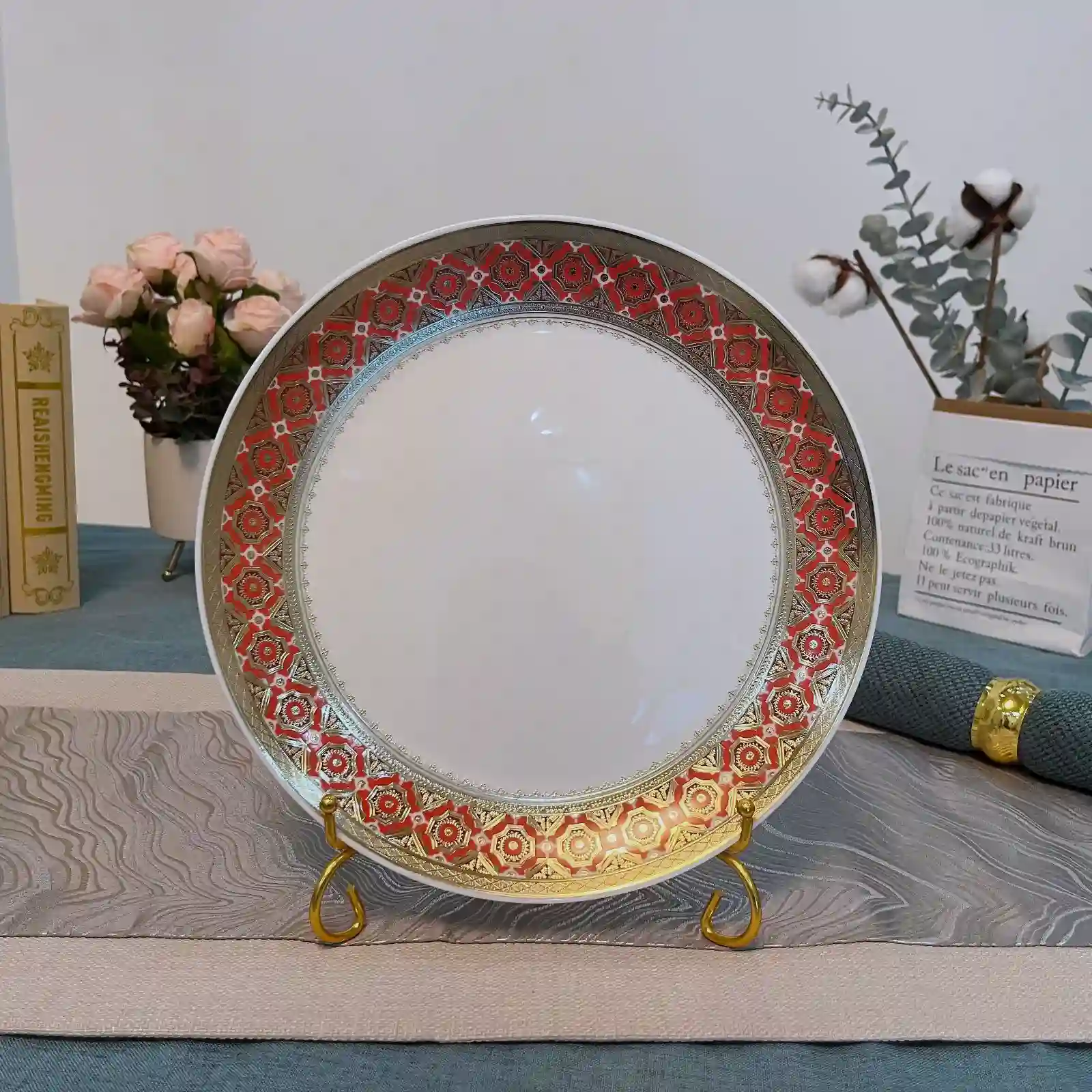
Break & Chip Resistant Opal Glass Plates
| Feature | Description |
|---|---|
| 2–3x Stronger Than Standard Glass | Tempered opal glass plates use a microcrystalline structure to spread impact force evenly, making them 2–3x more impact resistant than ordinary glass. |
| Edges Stay Smooth — No Chipping Like Ceramic | Ceramic rims crack and flake under daily stacking and washing. Opal glass plate edges are part of the tempered body, so they stay intact. |
| 40–60 % Less Breakage in Commercial Kitchens | Hotels and restaurants switching from porcelain report 40–60 % fewer broken plates per year, directly lowering replacement spend. |
Videos below showcase this product series
No PS editing, real footage for quality reference (stickers/labels shown are our standard options; custom designs are also available)
Size Customization
Available in 7.5″ / 8″ / 8.5″ / 9″ / 9.5″ / 10″ / 10.5″ / 11″ / 12″. Each tempered opal glass plate keeps the same break and chip resistance regardless of diameter.
Color Customization
Choose White, Black, Jade Green, Topaz Yellow, or White Jade. Color is fused into the glass body during production — it will not fade, peel, or yellow over time.
Logo Customization
Supports decal transfer, low-temperature embossing, and silk-screen printing. Branding bonds permanently to the tempered plate surface and survives repeated dishwasher cycles.
Shape Customization
Round, square, oval, coupe, rimmed, or free-form profiles all available. Every plate shape is made with the same chip-resistant tempered opal glass construction.
Packaging Customization
Custom cartons, inserts, and labels designed to match your brand or retailer requirements. Protective inner packaging keeps every plate chip-free during shipping.
FAQs

Commernts Question People Often Curious
It gathers the five most frequently asked questions by users regarding this product. If you are also interested, you can click to have a look.