
Which dinnerware can usually go safely in the microwave?
Glass: Heat-resistant or microwave-safe glass dinnerware can usually go in.
To determine what dishes are microwave safe, start with glass that is truly heat-resistant or clearly marked microwave-safe. This type can usually go in the microwave. Turn over the plate or cup and check the base, then look through the packaging or manual for the words microwave-safe or a microwave symbol. If the item and its instructions agree, use it within the stated temperature and time limits.
If a piece says only heat-resistant or tempered glass and has no microwave-safe marking, do not start with high power. When it is intact and has no gold or silver trim, you can run the water-cup screening test described later. If you cannot find either instructions or a marking, switch to a piece with clear labeling instead of risking a meal.
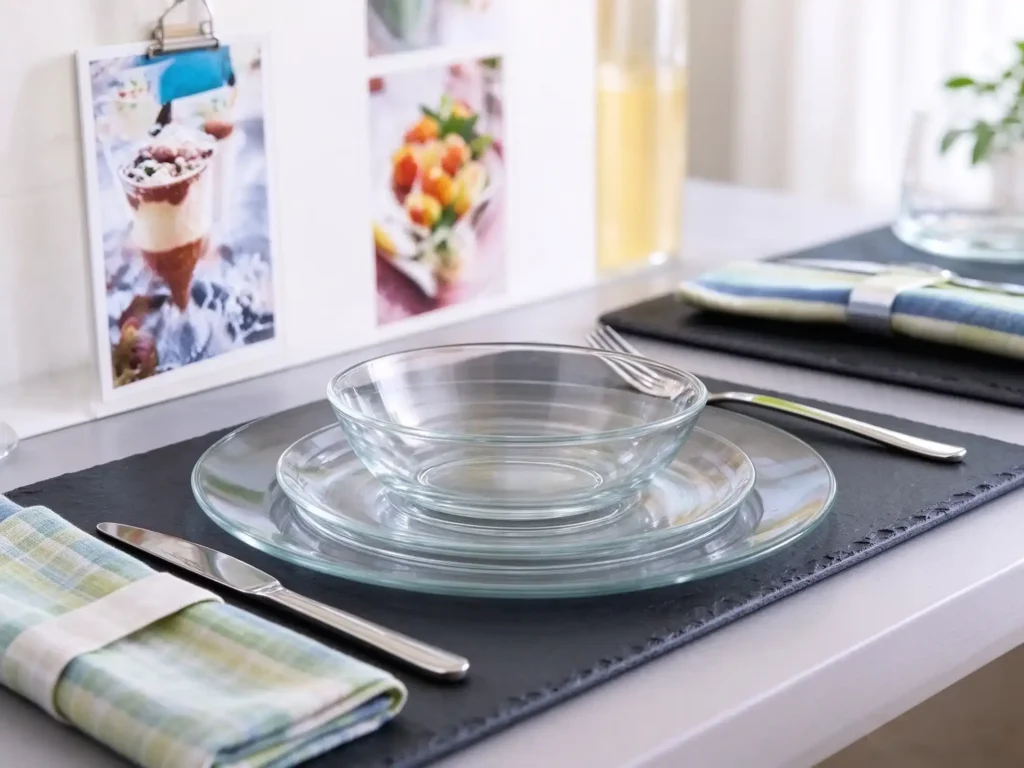
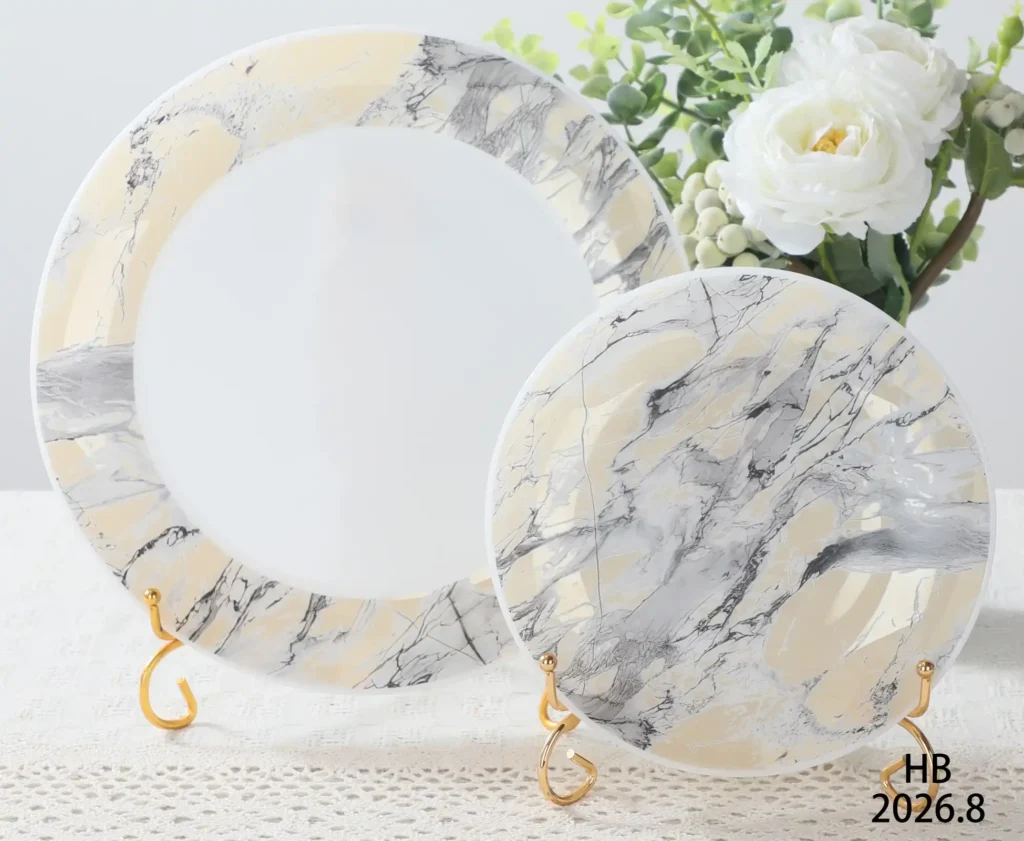
(PS: Both of the above are types of glass tableware. The one on the left is transparent glassware, while the one on the right is milky white glassware. Both can be placed in a microwave oven.)
Ceramic: Microwave-safe ceramic with no metal decoration and an intact glaze can usually go in.
Ceramic with an intact glaze, no metal decoration, and a clear microwave-safe marking can usually go in. To confirm that ceramic is microwave safe tableware, first check the base, packaging, or manual for microwave-safe wording or a microwave symbol. A label that says only ceramic, porcelain, or bone china does not place the item in the usable category.
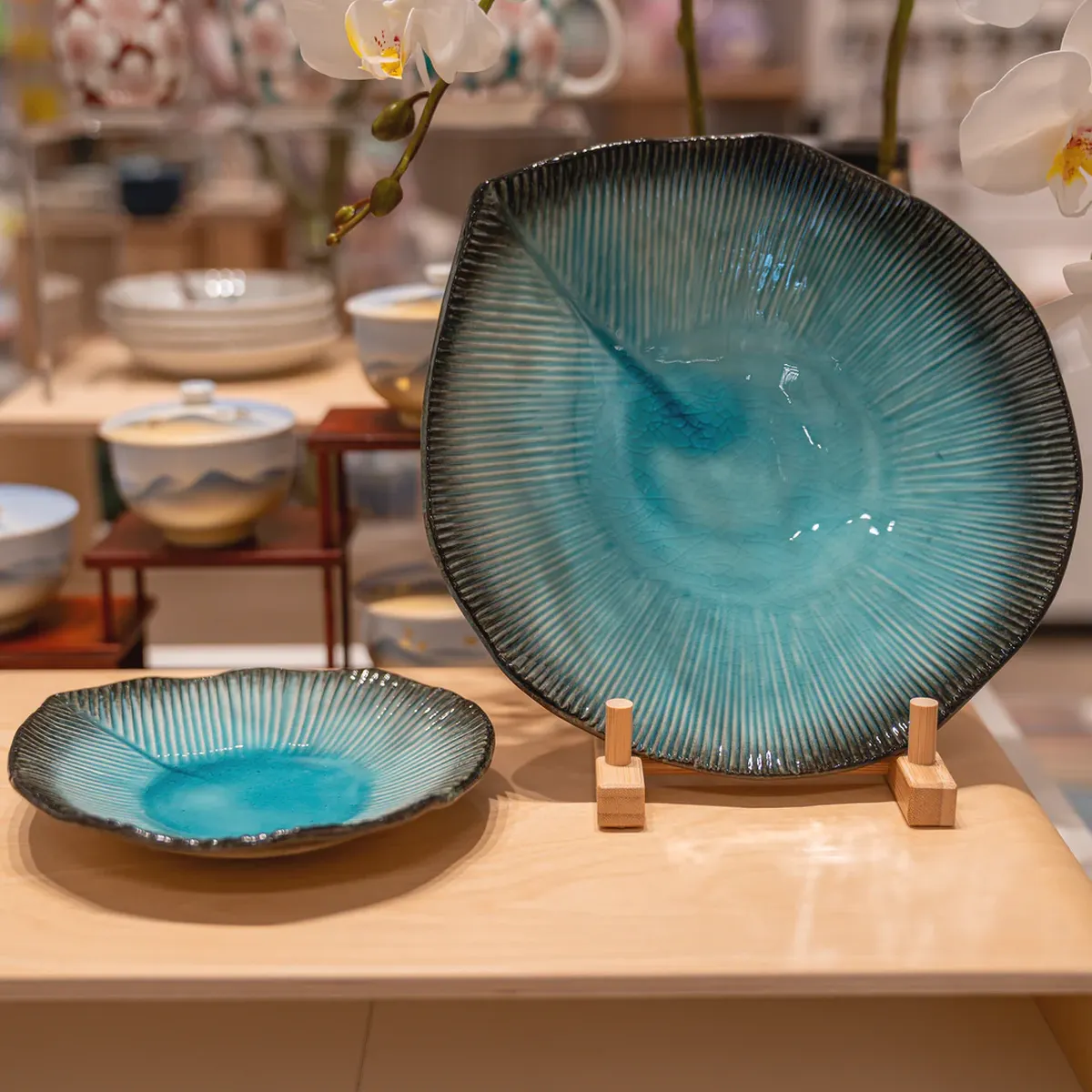
The problem with a holiday plate that has a gold rim is often the decoration itself. The Consumer NZ microwave guide lists non-porous ceramic with no metal trim as a condition for use. A band of metallic glaze around the rim, a gold line across the face, or metal on the handle all rule it out. Even a narrow gold edge counts. Cracks and chips are no different: moisture and grease can enter, then spread when heated.
Plastic: Only plastic dinnerware clearly marked microwave-safe should be used for short heating.
Even microwave safe dishes made of plastic have time and temperature limits. Start by looking for microwave-safe on the bottom, lid, and original packaging, then review the maximum temperature, single heating time, and permitted food types.
Seeing only PP or the number 5, or only a heat-resistant claim, is not enough. Treat the item as unsuitable for microwaving. If the instructions are missing, contradict one another, or there is no microwave-safe wording or symbol, use another container. Which?’s microwave container guide also excludes prolonged high-temperature cooking from its recommended use.
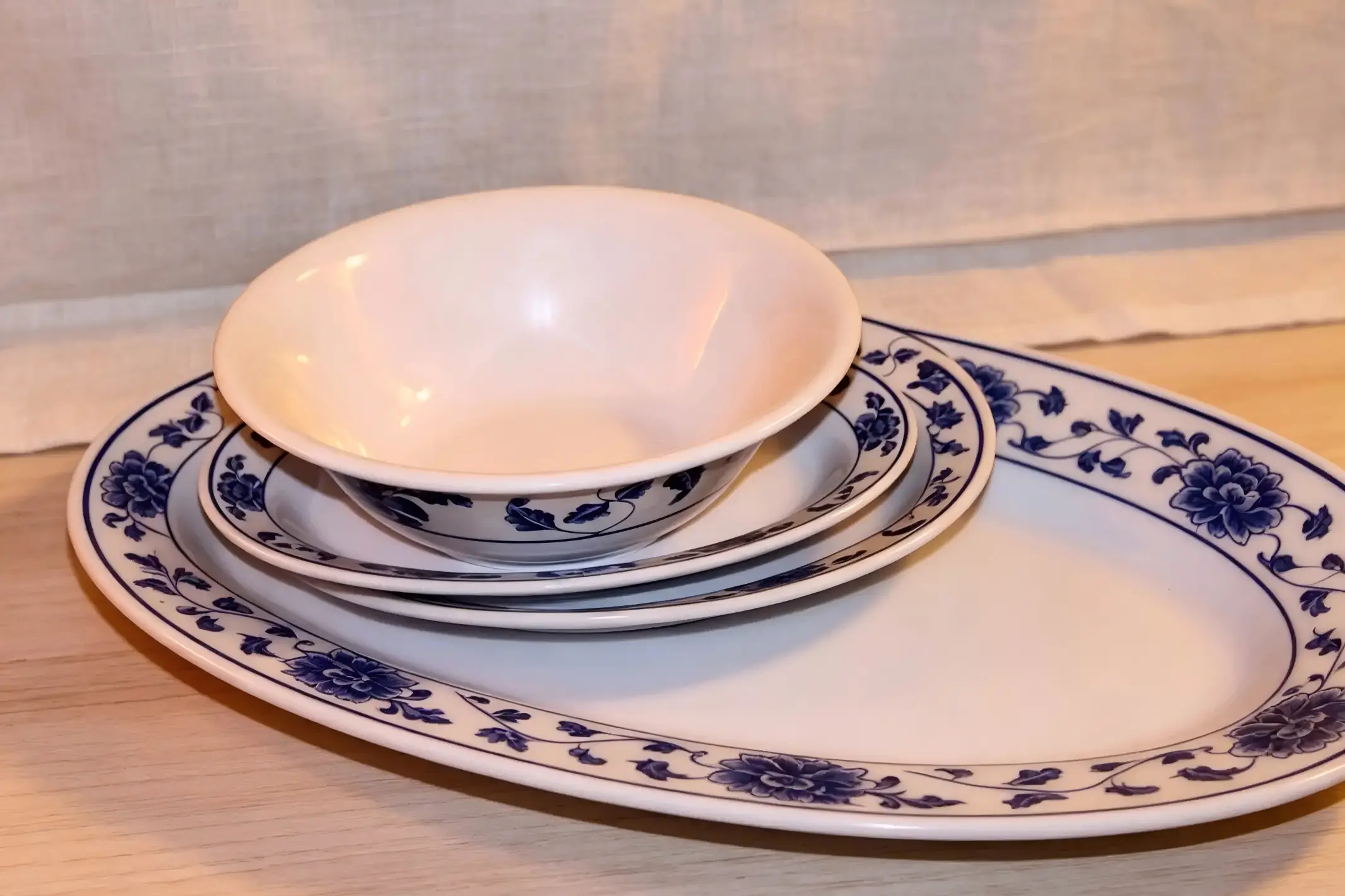
After washing, take another look at the container. Stop using it for heating if it is deformed, discolored, visibly scratched, or has an odor. One use without damage does not mean it can withstand the next.
Which dinnerware must not go in the microwave?
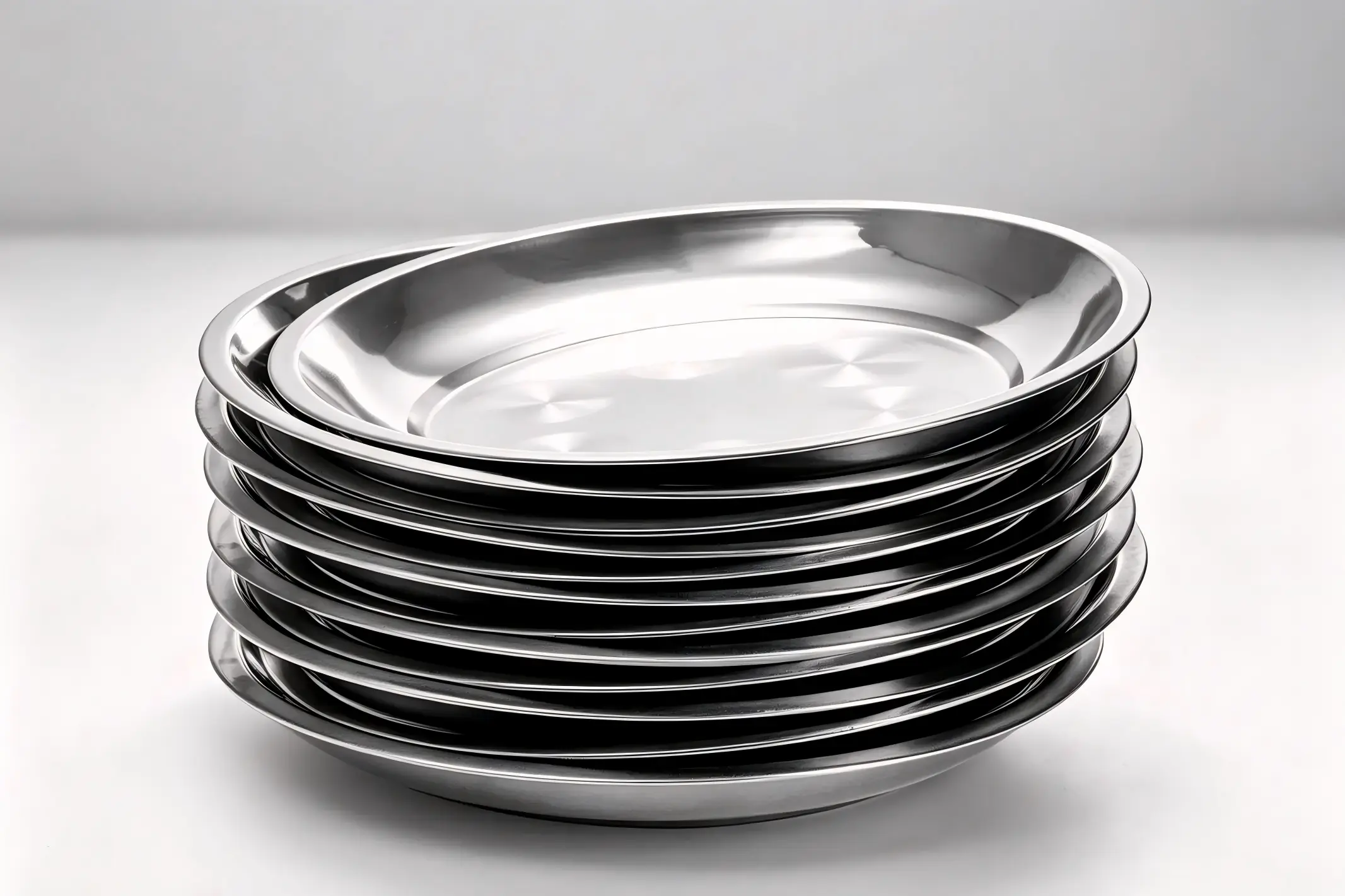
Metal: Stainless steel, aluminum, cast iron, and dinnerware with metal trim must not go in.
Stainless steel, aluminum, cast iron, and dinnerware with metal trim cannot go in the microwave. A stainless steel soup bowl is easy to recognize, but a narrow gold line around a rim or a metal fastener inside a lid is often overlooked. Thin aluminum foil is no different. Microwaves reflect off metal, and thin edges or pointed details can arc, potentially damaging the dinnerware or the microwave cavity.
Before putting dinnerware in the microwave, run your hand around three areas:
- A gold or silver band around the rim or cup edge
- Handles, rivets, and decorative pieces
- Springs, clasps, or metal strips inside a lid
If you see sparks, press stop. Continued heating only increases the risk.
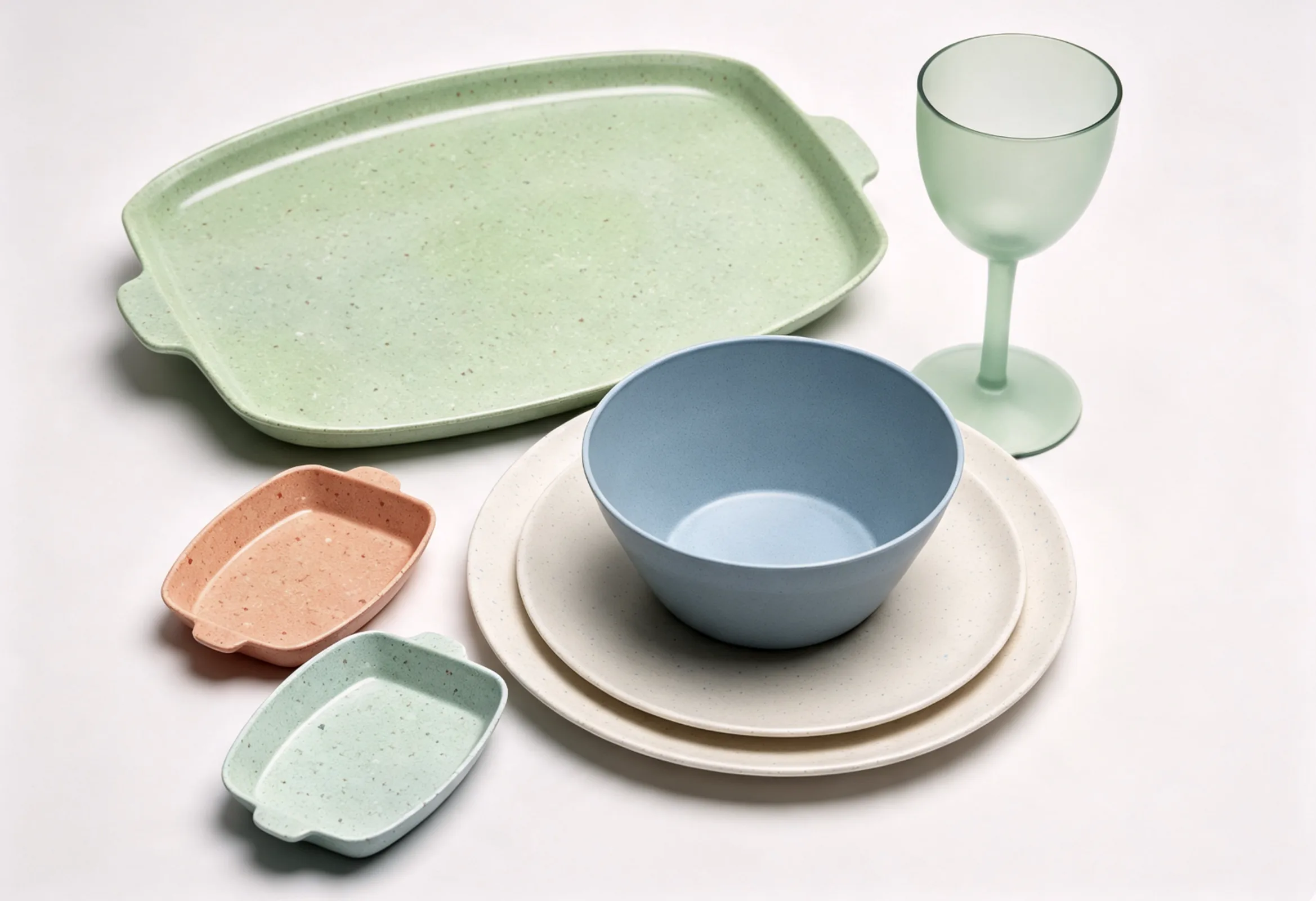
Plastic: Melamine, also called imitation porcelain, and plastic dinnerware without a microwave-safe marking must not go in.
Melamine bowls and plates, along with plastic dinnerware that has no microwave-safe marking, cannot go in the microwave. Check the base, packaging, and manual: if they say melamine, MF, or melamine-formaldehyde, rule the item out. If there is no microwave-safe wording or microwave symbol, also treat it as unusable.
High heat and fatty foods can also speed up warping and aging in melamine. The U.S. FDA’s melamine tableware Q&A states clearly that food or drink should not be heated on melamine dinnerware in a microwave.
These are the most commonly confused items:
| Common dinnerware | Microwave verdict | Safer option |
|---|---|---|
| Melamine, or imitation porcelain, bowls and plates | Not microwave-safe | Switch to a container explicitly approved for microwave use |
| Containers marked only as heat-resistant, with no microwave marking | Not considered microwave-safe | Check the full instructions; replace the container if none can be found |
| Yogurt tubs, butter tubs, and ordinary takeout containers | Not suitable for microwave use | Transfer the food to another container before reheating |
Repeated microwaving can progressively increase migration from melamine dinnerware. A study on melamine dinnerware migration put the items through multiple microwave and washing cycles, and migration increased with each round. In the group heated for one minute at a time, migration exceeded the EU limit after 25 cycles. The researchers therefore recommended that products carry a clear do-not-use-in-microwave instruction.
Bamboo and wood: Bamboo and wood dinnerware is not suitable for microwave heating.
Are bamboo dishes microwave safe? No. The same applies to wood dinnerware, whether natural or composite. Natural bamboo and wood are porous and contain moisture. When heated, that moisture turns into steam, and the fiber layers can expand, warp, and eventually crack. Repeated heating also makes glued or composite products age faster.
A bowl labeled bamboo fiber, wheat straw, or plant fiber needs more than the product name to establish what it is. A study of bamboo-fiber, wheat-straw, and melamine dinnerware states that this type of bamboo-fiber dinnerware uses melamine-formaldehyde resin as its base, with bamboo fiber added; the study also detected migration of melamine and its derivatives. If the material list says melamine-formaldehyde, MF, or melamine, treat it as melamine dinnerware and do not microwave it. If it says only bamboo fiber and gives no information about the resin, do not assume it is a natural wooden bowl.
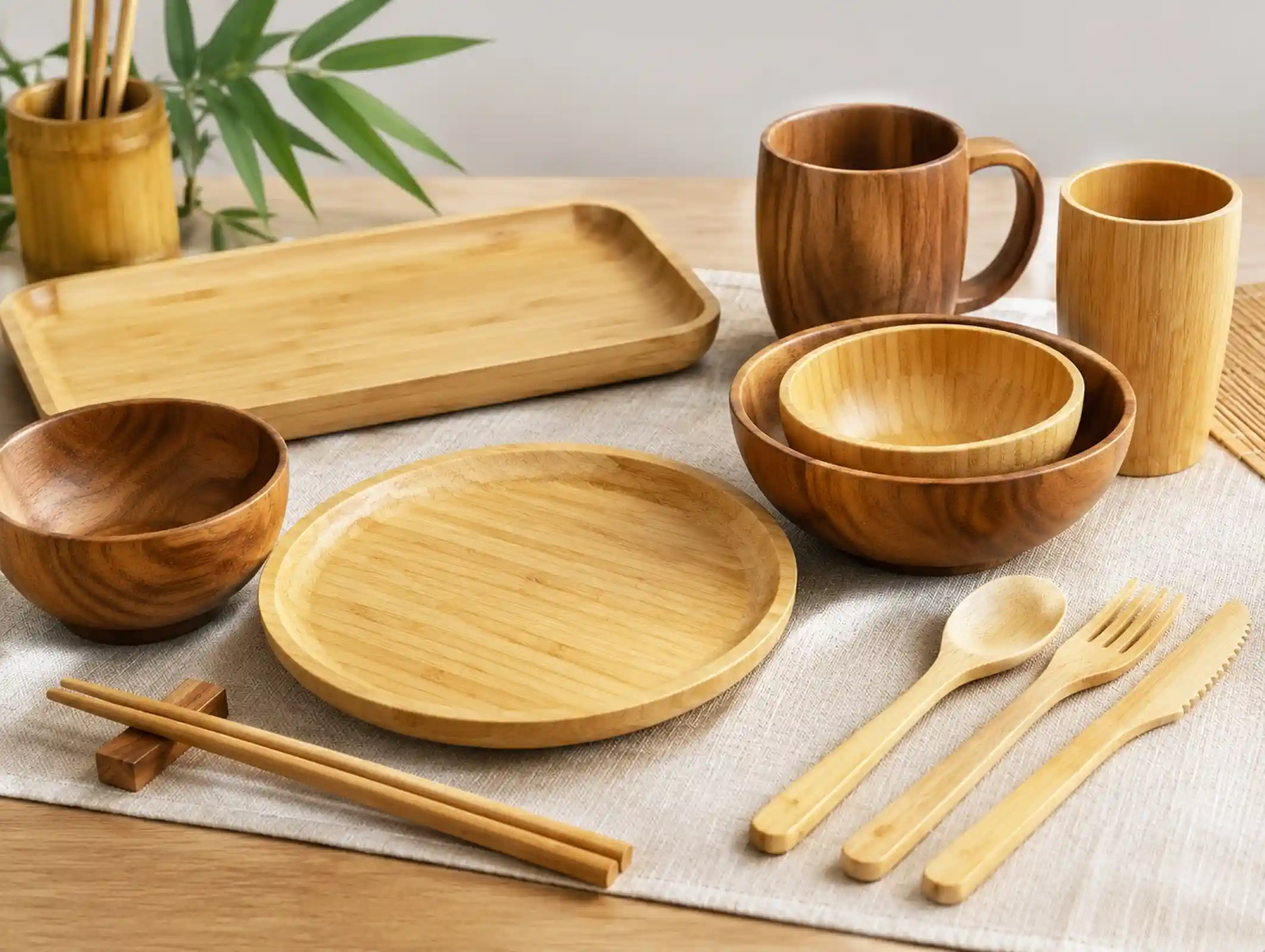
Without microwave instructions, treat bamboo and wood dinnerware as unusable. Every heating cycle exposes the material to moisture vaporization and a temperature swing, so repeated testing is not a sound way to judge it.
How can you tell whether unmarked dinnerware is microwave safe?
Heat the dinnerware and a cup of water together for 30 seconds, then check for noticeable heat, cracking, arcing, or odor.
If the base is worn down to bare white glaze and the label can no longer help, this is how to test if dishes are microwave safe with a cup of water. Limit the test to intact glass or ceramic with no metal trim. Plastic, bamboo, wood, metal, and already cracked dinnerware are excluded.
Place the cup of water beside the item being tested; do not stack them. The water absorbs some of the microwave energy first, so the dinnerware is not heated without a load. Run it on high for 30 seconds, watch for a reaction, and continue to one minute if nothing is wrong.
- Place the dinnerware and a cup of water in the microwave, separated and not touching.
- Heat on high for 30 seconds and look for noticeable heat, cracking, arcing, or odor.
- If anything unusual happens, stop immediately and do not use the item again.
- If nothing happens, continue until the total time reaches one minute, then remove the items and compare the temperature of the water and the dinnerware.
The method published by the USDA Food Safety and Inspection Service also uses one minute on high. The water should be clearly hot while the dinnerware remains cool or barely warmed. If the dinnerware feels noticeably warm or hot, stop using it in the microwave.
After it passes, use the item only for short reheating under the same conditions: no more than one minute on high, with food that is low in fat and sugar. To extend the heating time or use foods with more fat or sugar, switch to dinnerware whose instructions explicitly allow those conditions.
If you use a microwave often, how can you use dinnerware more safely and make it last longer?
Let refrigerated or frozen dinnerware reach room temperature before heating it.
A casserole refrigerated overnight and microwaved straight the next day creates a temperature difference that affects the dinnerware as well as the food. Can frozen dinnerware go in the microwave? In most cases, let it warm up until it no longer feels cold before heating it.
First check the base or manual for freezer-to-microwave-safe wording or a direct frozen-to-microwave claim. Only put the item straight into the microwave when the specific model explicitly says so. If that statement is absent, or the item says only microwave-safe, let it warm up first; if you are short on time, transfer the food to dinnerware at room temperature. A sudden temperature difference makes the inside and outside expand at different rates, placing the most stress on rims, thick bases, and hidden hairline cracks.
The Jointion thermal-shock-resistant casserole page states that a specific model can withstand a 120°C temperature difference and go directly from freezer to microwave. That condition applies only to the model named on the page. Other plates should still be brought back to room temperature as described above.
Use medium power and heat in intervals; do not run the microwave with empty dinnerware or start with one long, high-power cycle.
A bowl of soup or a small portion of rice has little food mass, and its edges are thinner than the center, so high power can push local temperatures up quickly. Start the dinnerware on medium power for a short interval. If the product instructions provide a power level and time, follow them. If not, start with one minute, pause to turn or stir the food, then add 30 seconds at a time.
Microwaves do not heat evenly, and interval heating gives the heat time to redistribute. Keep food or water in the microwave to absorb energy; empty dinnerware heats faster when it runs alone.
Let dinnerware cool before washing it to prevent cracking from sudden temperature changes.
Once the food is served, dinnerware often goes straight to the sink. Let hot glass or ceramic cool until it is comfortable to touch, then wash it in warm water to give the material time to adjust. When hot dinnerware meets cold water, the inside and outside contract at different rates, and cracks can begin at rims, chips, or hairline defects.
Wait until you can hold the item securely before turning on the tap. A few extra minutes are far less costly than replacing a cracked plate.