
What Is Opalware?
Opalware is dinnerware made from opal glass, a specially formulated glass with a milky-white or softly opaque appearance. Retail listings may call it opal glassware, opal glass dinnerware, or tempered opal glass. In practical terms, these names refer to the same family of glass-based tableware.Below are some examples of opalware products manufactured by our Jointion factory. You can see what opalware looks like.
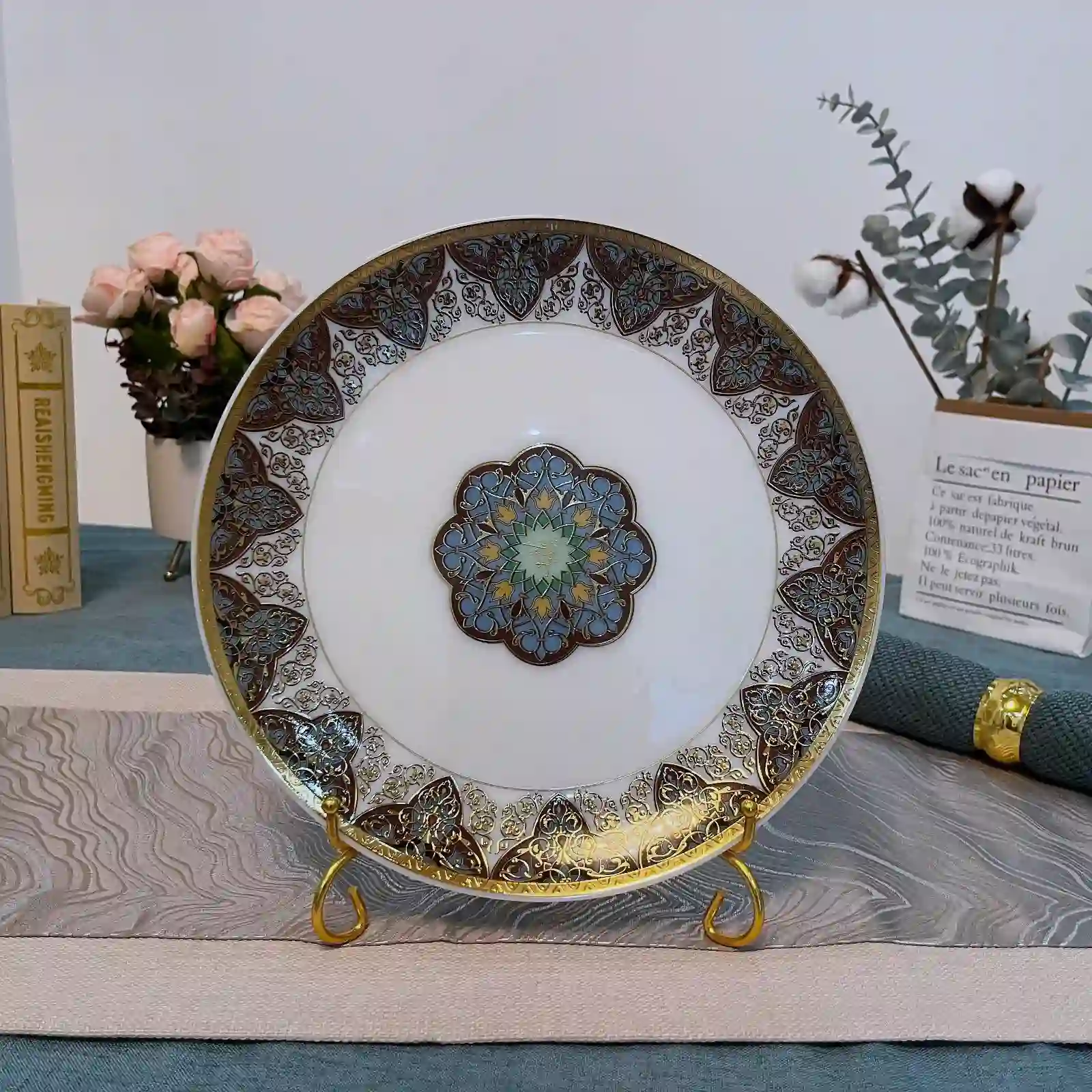
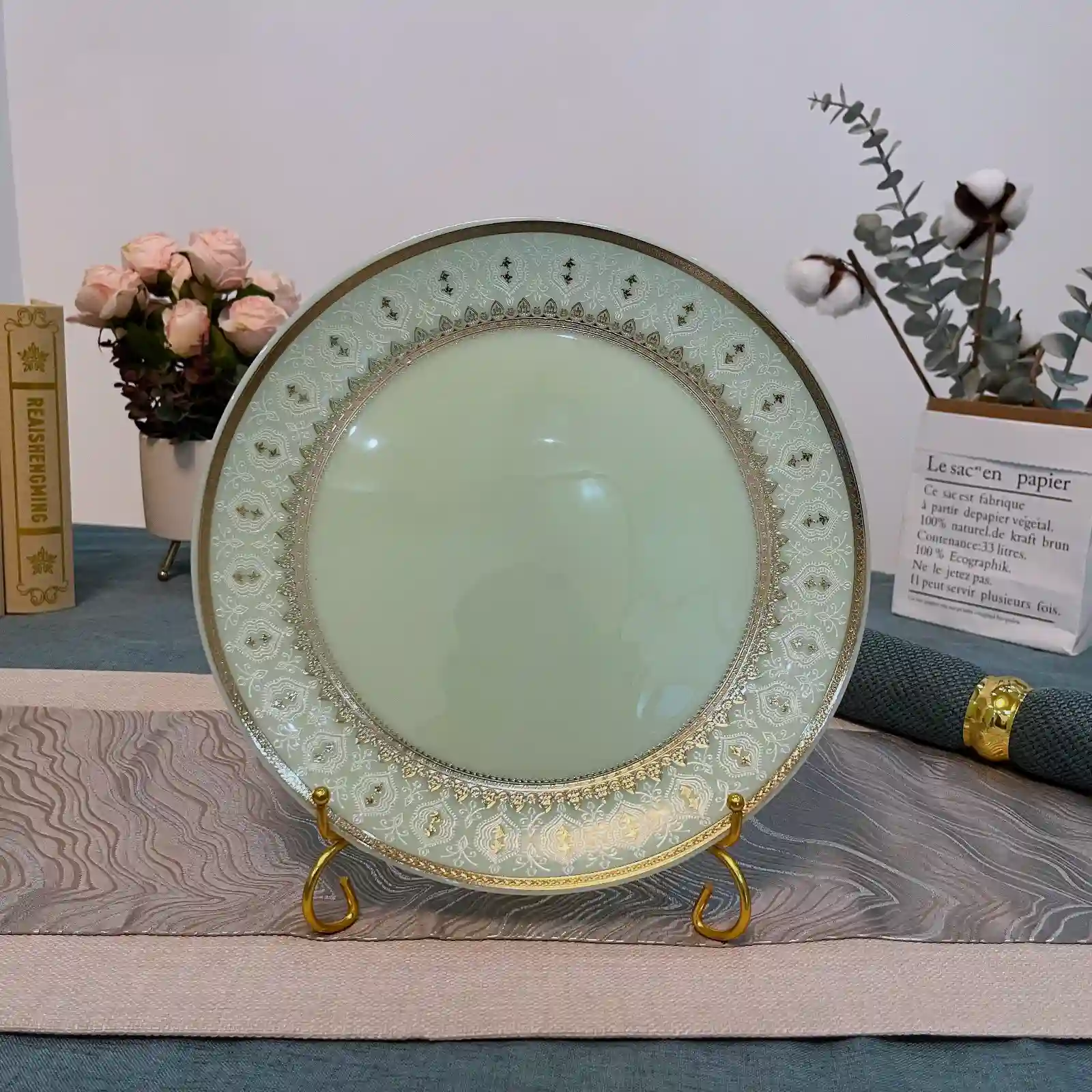
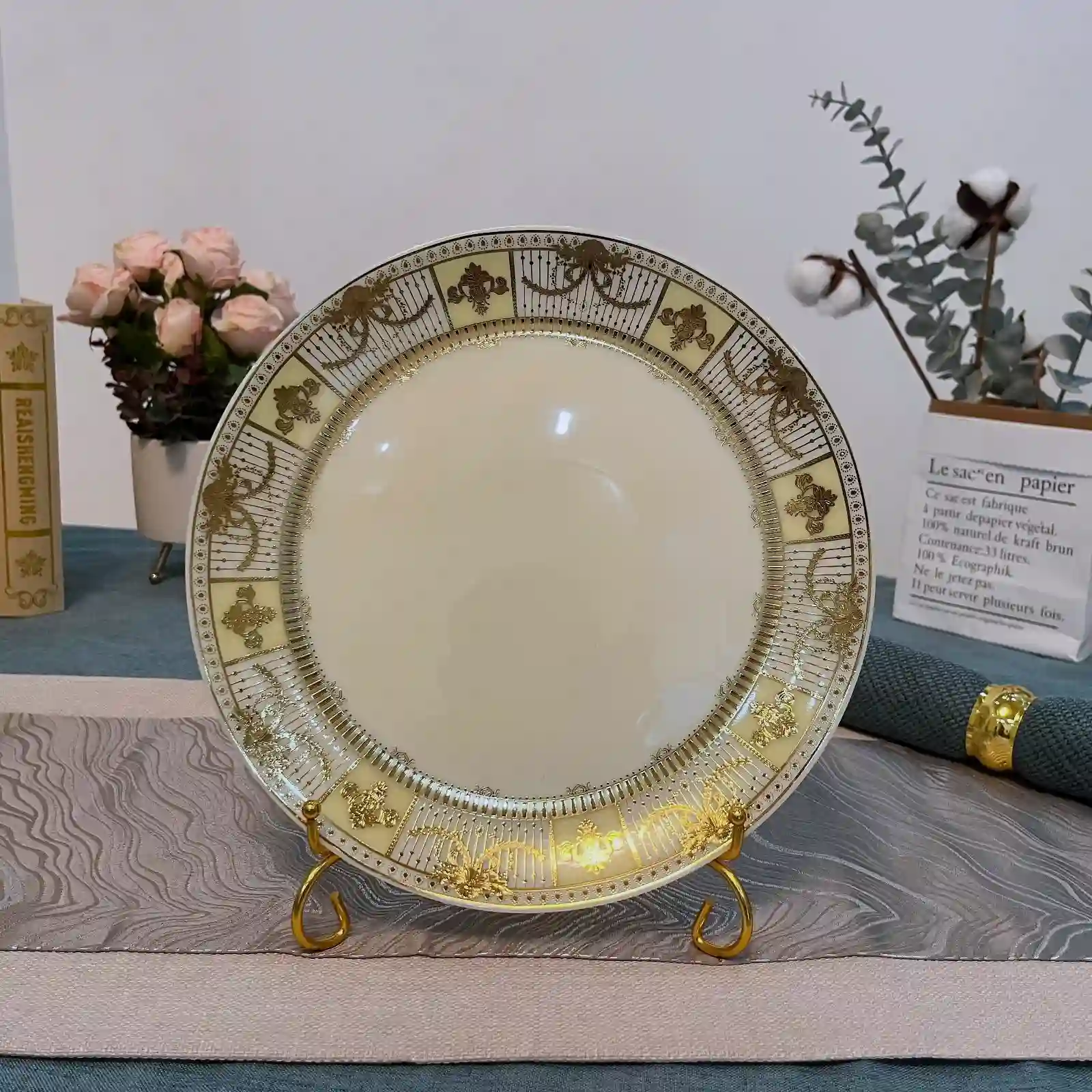
The distinctive color comes from within the glass body rather than from a surface coating. That gives opalware its neat, uniform look and helps the finish remain consistent through normal washing and use. The material is also strengthened through a controlled heating and cooling process, which is why it behaves differently from ordinary transparent glass plates and bowls.
Opalware is designed around everyday convenience. Individual pieces are generally lighter than many ceramic alternatives, easy to carry, and simple to stack in a cupboard. Thickness, decoration, and heat tolerance can vary from one collection to another, so the care instructions for the exact product should always guide final use.
If you’d like to understand the difference between our opal glassware and regular glass, you can read difference between opal glass and ordinary glass .
Why Is Opalware Popular for Everyday Use?
Opalware works well in routines that involve frequent serving, washing, and storage. Its appeal comes from a practical mix of strength, low weight, and a surface that is easy to keep fresh. Those qualities matter when dinnerware is used every day rather than reserved for occasional entertaining.
Is Opalware Durable and Resistant to Chips and Scratches?
Most opalware is made from toughened or tempered glass, so it is intended to cope with ordinary daily handling better than standard glassware. Plates touching during a dishwasher cycle, bowls being lifted from a cabinet, and repeated use at family meals are the situations it is made for.
The strengthened glass structure improves resistance to everyday impacts, small chips, and surface wear. Opalware is durable, though it still requires normal care. A hard fall onto tile, a sharp strike on an exposed edge, or rough storage can damage any glass dinnerware. Its advantage is that it is generally more forgiving during regular household use.
If you are interested in its shatter and drop resistance, our factory has specially produced a drop test video.
Light weight adds to the benefit. A stack of dinner plates is easier to lift, serve from, and put away when each piece carries less weight. This helps in busy homes, shared kitchens, cafeterias, and foodservice settings where tableware moves through many hands.
For a longer service life, choose pieces with even thickness and smooth rims, then protect the edges during washing and storage. The material provides the starting point. Daily habits determine how well a set keeps its appearance over time.
Is Opalware Non-Porous, Stain Resistant, and Easy to Clean?
A smooth, non-porous surface is one of opalware’s most useful traits. Sauces, coffee, cooking oils, and food odors tend to remain on the surface instead of soaking into the body of the dinnerware. That makes normal washing more straightforward.
This becomes more noticeable over time. Dinnerware that retains color or odor can appear worn even when it remains structurally sound. Opalware is often selected because it stays visually clean with regular care and does not require special products for ordinary food residue.
Warm water, mild dishwashing liquid, and a soft sponge are usually sufficient. Cleaning shortly after meals also helps, especially after tomato-based dishes, curry, tea, or other strongly colored foods. Those small habits keep the surface brighter and reduce the need for heavy scrubbing later.
A non-porous surface supports easy cleaning, while harsh scouring pads can still leave visible marks. Gentle washing is the sensible way to retain the smooth feel and clean appearance of the piece.
Is Opalware Safe for Food and Daily Use?
Opalware is widely used for serving food because its glass surface is stable, smooth, and easy to clean. The most useful safety check is whether a specific product has been made and tested for food contact in the market where it will be used.
Clear product information matters. Reputable manufacturers can provide relevant food-contact documentation and explain whether a particular collection is suitable for hot foods, dishwasher cleaning, and microwave reheating. This is especially important for decorated pieces, products used in commercial settings, and larger purchase orders. The same logic carries over to other kitchen equipment — buyers who check food-contact safety for their dinnerware usually give the same scrutiny to their cooking equipment, especially higher-risk appliances like commercial induction cooker, making sure they’re properly certified and built from safe, compliant materials before buying.
The smooth surface also supports day-to-day hygiene. Since it does not readily absorb food stains and odors, normal washing can remove residue effectively. Clean dinnerware, careful handling, and an intact surface work together. Pieces with cracks, deep chips, or damaged rims should be retired from food service because those areas are harder to clean thoroughly.
Buyers sourcing a collection benefit from reviewing a sample in person. The finish under natural light, the feel of the rim, the surface condition, and the end-user care guidance each reveal something useful. Jointion considers product documentation and a physical sample complementary parts of a sound daily-use assessment.
Is Opalware Microwave and Dishwasher Safe?
Many opalware collections are made for microwave reheating and dishwasher cleaning. These features make the material convenient for daily meals, yet they remain product-specific claims. Follow the symbols, packaging, and instructions supplied with the exact item you own.
Plain opalware pieces are commonly suitable for routine use in these appliances. Decorative details can change the answer. Metallic rims, metal-based decals, and some specialty finishes require separate care, particularly when a microwave is involved.
We conducted a dishwasher test on our Opal dinnerware tableware, and you can see the detailed video below. There were absolutely no issues with the decals peeling off.
How Well Does Opalware Handle Heat and Temperature Changes?
The thermal strengthening used in opalware gives it useful resistance to the temperature changes found in everyday kitchens. Serving hot food, reheating a meal, and running a dishwasher cycle are normal uses for many products in this category.
Temperature shock remains the main point to manage. Sudden shifts put stress on glass, even when it has been strengthened. A short cooling period before washing helps after a dish has held hot food. Moving a piece directly from a very cold environment into intense heat should only be considered when the manufacturer has confirmed that use. The same principle applies after heating, when cold running water can place unnecessary stress on a hot plate.
Microwave-safe and oven-safe describe different conditions. Microwave use usually involves reheating. Oven use can expose dinnerware to sustained higher temperatures and direct heat. Use a piece in the oven only when the manufacturer specifically confirms that it is oven-safe.
Dishwasher loading deserves attention as well. Leave room between pieces so they do not knock together during a cycle. A secure load helps protect rims and keeps a set presentable through many washes.
How to Clean and Care for Opalware
Opalware benefits from simple, consistent care. A gentle routine is more effective than occasional heavy scrubbing, and it gives the material the best chance of keeping its original finish.
How Should You Wash Opalware Without Damaging It?
Warm or lukewarm water and a mild dishwashing liquid are well suited to routine cleaning. A soft sponge, microfiber cloth, or non-abrasive brush removes food residue efficiently while limiting unnecessary wear on the surface.
Wash tableware soon after use when possible. Fresh residue comes away more easily and leaves less opportunity for colored food to dry onto the surface. If a piece is labeled dishwasher-safe, place it in the dishwasher with enough room around it. Plates should not be forced tightly together or mixed with heavy utensils that can strike their edges.
Handwashing is equally straightforward. Rinse away loose food first, then wash each piece with steady, gentle pressure. Let dinnerware cool before cleaning if it has just held very hot food. This brief pause reduces stress from a rapid temperature change.
Dry pieces with a soft towel or allow them to air-dry completely before storage. A clean, dry surface is less likely to develop water spotting or retain odors inside a closed cabinet.
How Can You Prevent Cloudiness, Stains, Scratches, and Edge Damage?
A dull or cloudy appearance often comes from mineral deposits, residue, or repeated use of abrasive cleaning tools. Start with the mildest approach: warm water, a soft cloth, and ordinary dish soap. For more stubborn marks, use a gentle cleaner approved for glass dinnerware and rinse it away thoroughly.
Steel wool, harsh scouring pads, and highly abrasive powders can create fine scratches that change the way the surface reflects light. A careful method may take a little longer, yet it does more to preserve the finish.
Storage matters as much as washing. A dry, stable cupboard reduces avoidable wear, and lifting stacks rather than dragging them protects the contact points. A soft liner or protective layer between frequently stacked pieces can reduce edge contact. Heavy cookware is better stored separately from lighter tableware.
Inspect your set now and then. Small chips can worsen through repeated use, especially around rims and foot rings. Removing a damaged piece helps protect the rest of the stack and keeps food service more comfortable for everyone at the table.
Is Opalware the Right Choice for Everyday Dinnerware?
Opalware is a strong fit for people who want dinnerware that feels light in the hand, cleans without fuss, and works with a fast daily routine. It suits family meals, apartment kitchens, shared living spaces, and foodservice environments where plates and bowls are washed and used repeatedly.
It also serves buyers who prefer a clean, coordinated table setting. The white or softly opaque finish works with many serving styles, while the material offers a practical balance of appearance and function. For many households, that balance is the main reason to choose it.
Your priorities should guide the final decision. Opalware is especially useful when easy maintenance, lightweight handling, and everyday durability are high on the list. A different material may suit someone looking for a heavy handcrafted feel, a strongly textured glaze, or specifically confirmed oven-to-table performance. Buyers weighing those options can review this opal glass vs ceramic vs porcelain comparison guide for a more focused material comparison.
Choose a collection after checking the details that matter for your use: food-contact documentation, microwave and dishwasher guidance, decorative finishes, rim quality, and the way the pieces feel when stacked and handled. With the right product and a simple care routine, opalware can remain a reliable part of everyday dining for years.
Source References
Source References: The data above is drawn from verified sources — you’re welcome to explore the links below.