
Looking for safe children’s tableware? Opal glass kids dinnerware has emerged as a leading choice for health-conscious parents. Unlike plastic, bamboo, or melamine alternatives that may leach chemicals into food, this glass-ceramic material offers proven safety backed by its inert mineral composition. This comprehensive guide reveals why opal glass tableware outperforms other materials—not because it’s perfect for every situation, but because its fundamental structure sidesteps the chemical concerns that plague composite materials from the start. After testing materials and analyzing manufacturing processes, the advantages become clear for families prioritizing both safety and durability.
Table of Contents
Why Material Safety Matters for Children’s Dinnerware
Children’s bodies absorb heavy metals like lead and cadmium at rates 3 to 5 times higher than adults do. Their developing liver and kidneys can’t efficiently filter toxins the way grown-ups can, making material safety critical for items used daily. When toddlers eat acidic foods like tomato sauce or orange slices, any questionable materials in tableware get a chemical invitation to migrate into food. This physiological vulnerability is why choosing the right dinnerware material matters more than many parents realize.
Materials That Raise Concerns
Walk through any store’s children’s section and you’ll see colorful plates made from various materials. BPA gets the headlines, but its chemical cousins BPS and BPF show up in “BPA-free” products with similar health concerns. Melamine dishes can release formaldehyde when exposed to heat or acidic foods. Even some ceramic glazes contain lead and cadmium that leach out gradually with repeated use. These materials often meet minimum safety standards, but “meeting standards” doesn’t mean “risk-free”—it just means staying below certain thresholds that can still accumulate over time with daily use.
Hidden Toxins in Common Kids Dinnerware Materials
Products marketed as safe can still contain materials that raise legitimate concerns under real-world use conditions. Understanding these issues helps explain why certain materials offer advantages over seemingly safer alternatives.
The Bamboo Fiber Reality Check
Bamboo dinnerware sounds appealingly natural until you learn that most bamboo plates aren’t solid bamboo. They’re bamboo powder mixed with binding resins—often melamine-formaldehyde compounds. Cheaper versions may use formaldehyde-based adhesives that weren’t fully cured, creating potential off-gassing when the plate contacts hot food or goes through repeated dishwasher cycles. Well-made bamboo composite dishes with proper food-grade resins perform acceptably, but knowing whether your specific product used quality materials becomes the challenge.
Surface Decorations and Coatings
Those adorable cartoon characters and bright colors require inks, glazes, or coatings—and that’s where problems hide. Surface printing methods that place designs on top of the material can allow pigments to contact food directly as the protective layer wears down. Some inks contain heavy metal pigments not designed for repeated food contact. Safer approaches use under-glaze decoration where designs get sealed beneath protective glass during high-temperature firing, or intrinsic coloring where pigments become part of the material itself.
| Material Category | What to Watch For | When Problems Show Up |
|---|---|---|
| Plastic alternatives (BPA-free) | BPS and BPF substitute chemicals | Heat exposure, fatty foods |
| Melamine resin | Formaldehyde in lower-quality versions | Acidic foods, microwave use, sustained heat |
| Decorated ceramics | Lead and cadmium in surface glazes | Wear from utensils, dishwashing abrasion |
| Bamboo composite | Adhesive quality and curing completeness | Heat, moisture, extended use cycles |
The Plastic Aging Problem
Even high-quality food-grade plastics like polypropylene or Tritan don’t stay pristine forever. They gradually break down through UV exposure, repeated high-heat dishwashing, and contact with oils and acids in food. Fresh plastic dinnerware typically tests clean, but after 6-12 months of regular use in demanding conditions, the material’s chemical stability changes. You’ll notice discoloration and surface roughness developing, which signals that breakdown is happening.
What Makes Kids Dinnerware Truly Safe
Real safety comes from fundamental material properties that eliminate problem sources rather than just controlling them. The safest children’s tableware typically shares three core characteristics that work together to provide lasting protection.
Simple, Pure Material Composition
The safest dinnerware uses a single, high-purity base material rather than complex composites. Think medical-grade silicone, solid stainless steel (304 or 316 grade), or glass-ceramic materials. These substances are chemically stable by nature, meaning they don’t need additives to perform their basic function. When you see “food-grade” certification, it means the raw ingredients meet strict limits on impurities. Food-grade raw materials cost 20-50% more than industrial-grade alternatives, but that premium pays for purity testing that keeps questionable substances out from the beginning.
Protective Surface Architecture
Safe coloring methods make pigments part of the material structure instead of sitting on the surface. With intrinsic coloring, manufacturers mix certified colorants into raw material during production—the color goes all the way through. For ceramics and glass products, under-glaze decoration puts patterns on the base material then covers them with a transparent protective layer that fuses on during high-temperature firing above 1200°C. The color can’t rub off, chip away, or leach into food because it’s either embedded throughout or permanently sealed beneath an inert glass layer.
Resistance to Real-World Conditions
Kids’ dinnerware needs to survive tomato sauce, lemon juice, dishwasher detergent, and occasional scrapes from metal utensils without degrading. Materials that achieve this typically have either a vitrified (glass-like) surface, a stable oxide layer (like the chromium oxide on stainless steel), or a dense polymer structure that resists penetration. Quality products undergo migration testing that soaks them in acidic solutions at elevated temperatures, then analyzes the liquid for contaminants—providing actual evidence rather than assumptions.
Why Opal Glass Stands Out for Kids Dinnerware Safety
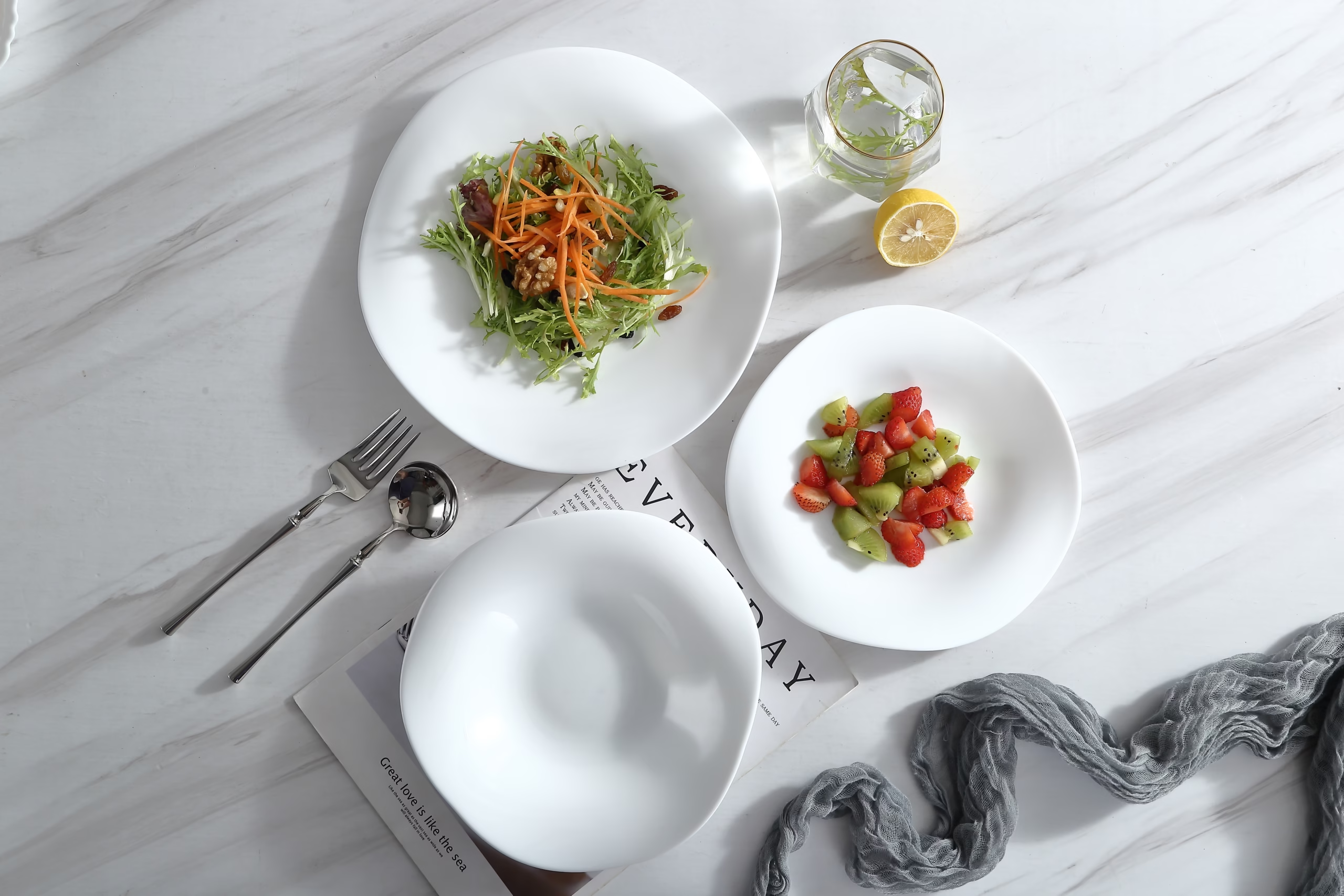
Opal glass kids dinnerware—also known as milk glass or white glass tableware—keeps appearing in conversations about safe children’s dinnerware because of how it’s made and what it’s made from. When you examine its composition and manufacturing process, several advantages become clear that address the concerns we’ve been discussing.
The Material Science Foundation
This glass-ceramic material consists of high-purity silica (refined sand), calcium carbonate (limestone), aluminum oxide, and small amounts of calcium fluoride or phosphate compounds that create the milky-white opacity. These are all inorganic minerals, completely stable at room temperature and when heated. What matters here is what’s NOT in the composition: no polymers that could break down, no organic plasticizers needed to make it flexible, and no binding resins holding composite materials together.
The manufacturing process melts these minerals together at temperatures above 1200°C, creating a uniform glass structure dense enough to prevent any chemical migration. The safety comes from material inertness rather than careful additive management. Unlike plastics or composites where safety depends on proper formulation and processing, this glass-ceramic structure is inherently stable.
How It Handles Daily Use
The practical benefits show up when kids actually use these plates and bowls. Spill some orange juice or tomato sauce and let it sit for an hour? No problem—the surface doesn’t react with food acids. The same goes for alkaline foods or fatty substances. This chemical inertness means you don’t need to worry about what your child is eating or drinking from it.
Temperature tolerance is another strong point. You can take an opal glass container directly from the freezer and put it in the microwave or oven. The material’s low thermal expansion coefficient means it doesn’t crack from these temperature shocks like some ceramics might. For busy parents or daycare facilities, this versatility simplifies meal prep. The heat retention properties work well for children’s meals too—hot food stays warm longer than it would in metal or plastic containers, while cold items maintain their temperature.
The Hygiene Advantage
One standout feature is how much easier this material is to keep clean compared to alternatives. The surface that forms during high-temperature manufacturing is essentially glass-smooth with virtually no pores. Food pigments from things like curry, berries, or leafy greens wash right off without staining. Odors from garlic or onions don’t linger because there’s nowhere for volatile compounds to absorb.
This non-porous surface also means bacteria can’t establish colonies in microscopic crevices. Microorganisms need texture to grab onto—smooth surfaces like glass naturally resist bacterial attachment. For infant feeding equipment or toddler dishes that might not always get washed immediately, this property provides an extra safety margin.
Durability and Longevity
The material rates high on the Mohs hardness scale, which means it resists scratching from utensils better than softer materials. Over months and years of use, the surface doesn’t develop the fine scratches that can harbor bacteria or create rough patches that hold stains. Unlike plastic that yellows and becomes brittle with age, or coatings that gradually wear away, these glass-ceramic dishes maintain the same properties essentially indefinitely.
The impact resistance isn’t quite at plastic or silicone levels—drop it on tile and it can break. But thoughtful design helps: thicker walls in stress areas, weighted bases for stability, and rounded edges rather than sharp corners all improve practical durability. From a value perspective, expect this tableware to last 5-8 years of daily use without performance degradation. The initial cost runs higher than basic plastic—often 3-5 times more—but spread across that service life, the per-use cost actually becomes competitive.
FAQ
Is opal glass actually safer than well-made melamine for everyday use?
The practical difference comes down to safety margins and usage control. Melamine performs acceptably when used exactly as directed—no microwave, no sustained heat above 120°C, no acidic foods at elevated temperatures. Glass-ceramic tableware doesn’t have these restrictions. It won’t release formaldehyde if someone accidentally microwaves it or uses it for hot soup because its inorganic composition contains no organic compounds to release. For environments where you can’t guarantee proper use every single time, this material provides wider safety margins.
Does opal glass dinnerware cost significantly more than other safe materials?
Initial purchase prices typically run 2-4 times higher than comparable plastic items, and somewhat more than basic stainless steel. However, the service life extends 3-5 times longer than most plastics without any performance degradation. When you calculate cost-per-year of use, the gap narrows considerably. A plastic plate costing $5 that lasts 18 months before yellowing or warping equals $3.33 per year. A glass-ceramic plate costing $18 that lasts 6 years equals $3 per year with maintained appearance and safety throughout.
Can this material handle commercial dishwashing in daycare or school settings?
Yes, and this is one area where glass-ceramic tableware particularly excels. The material tolerates unlimited high-temperature wash cycles with harsh commercial detergents without degradation. Unlike plastics that may warp or bamboo composites that can crack under sustained moisture and heat, this material maintains consistent properties. The non-porous surface also prevents buildup of biofilm or staining that can occur with softer materials in commercial settings. Quality products specifically undergo testing simulating hundreds of commercial dishwasher cycles to verify performance stability.
If you want a deeper look at how opal glass performs across daycare, school, and restaurant environments, see our opal glass tableware commercial guide.
What should I look for when comparing opal glass products from different manufacturers?
Request documentation showing third-party testing for FDA and LFGB compliance on heavy metal migration and material composition. Check that raw materials meet food-contact grade specifications, not just industrial standards. Look at the surface finish quality—it should be smooth and glossy without pinholes or rough patches that could harbor bacteria. Ask about firing temperatures (should be above 1200°C for proper vitrification) and quality control rejection rates. Higher rejection rates actually signal tighter quality standards. Also verify whether decorative elements use under-glaze methods sealed beneath protective glass layers rather than surface printing that could wear off.
At what age is this type of dinnerware appropriate for children to use?
Most families transition to glass-ceramic tableware around age 3, when the constant-dropping phase of early toddlerhood has passed. At this stage, children develop enough motor control to handle dishes with reasonable care, while the material’s hygiene properties and durability become more valuable than the impact resistance of softer materials. For institutional settings, assess your specific population—preschool programs often use this material successfully, while infant rooms stick with silicone or steel. Some families comfortable with supervised use introduce it earlier, around age 2, particularly for seated meals rather than mobile snacking. The decision depends on your individual child’s development and your comfort with occasional breakage.