
This guide is for hotel and restaurant procurement teams sourcing commercial dinnerware. It focuses on Corelle-style Opalware: lightweight, simple, easy to stack, and built for daily use in hotel breakfasts, restaurant dining, catering, and room service. Note that “Corelle-style” describes a design style, not the Corelle brand. Jointion manufactures Opalware dinnerware and offers standard products, sets, and customization.
What Types of Corelle-Style Dinnerware Are Suitable for Hotels and Restaurants?
Common Types Include Dinner Plates, Bowls, Soup Plates, Salad Bowls, and Cups
For hotel breakfasts, restaurant dining, and conference catering, dinnerware is usually purchased as a coordinated combination rather than as individual pieces. The most common types of Corelle-style Opalware products include:
- Flat plates: Suitable for main courses, breakfast, sandwiches, desserts, and similar foods.
- Deep plates or soup plates: Suitable for soups, pasta, stews, and dishes with sauces.
- Bowls: Suitable for rice, noodles, cereals, salads, and breakfast foods.
- Salad bowls: Suitable for cold dishes, salads, fruit, and side dishes.
- Cups: Suitable for coffee, tea, juice, and other beverage services.
- Matching dinnerware: Can be combined according to hotel breakfast, restaurant dining, or catering requirements.
| Use Case | Common Dinnerware Combination | Procurement Focus |
|---|---|---|
| Hotel breakfast | Flat plates, bowls, cups, and small matching pieces | Easy stacking and quick table replenishment for staff |
| Restaurant dining | Flat plates, deep plates, soup bowls, and salad bowls | Consistent sizing and suitability for different dishes |
| Light meals or beverage service | Small plates, cups, and bowls | A practical balance between beverage and light-food service |
| Hotel room service or conference catering | Flat plates, cups, bowls, and matching dinnerware | Efficient batch management and centralized replenishment |
The following two videos show the specific shapes of the Corning tableware. Currently, our Jointion can also achieve the same Corolle style. If you are interested in wholesale, you can check the detailed information in the videos.
Jointion’s dinnerware sets are also suitable for wholesale purchasing. For hotel groups, restaurant chains, and distributor customers, purchasing by set reduces the time required for separate picking and makes it easier to calculate the quantity in each set and plan future replenishment. The pages below show different set configurations.
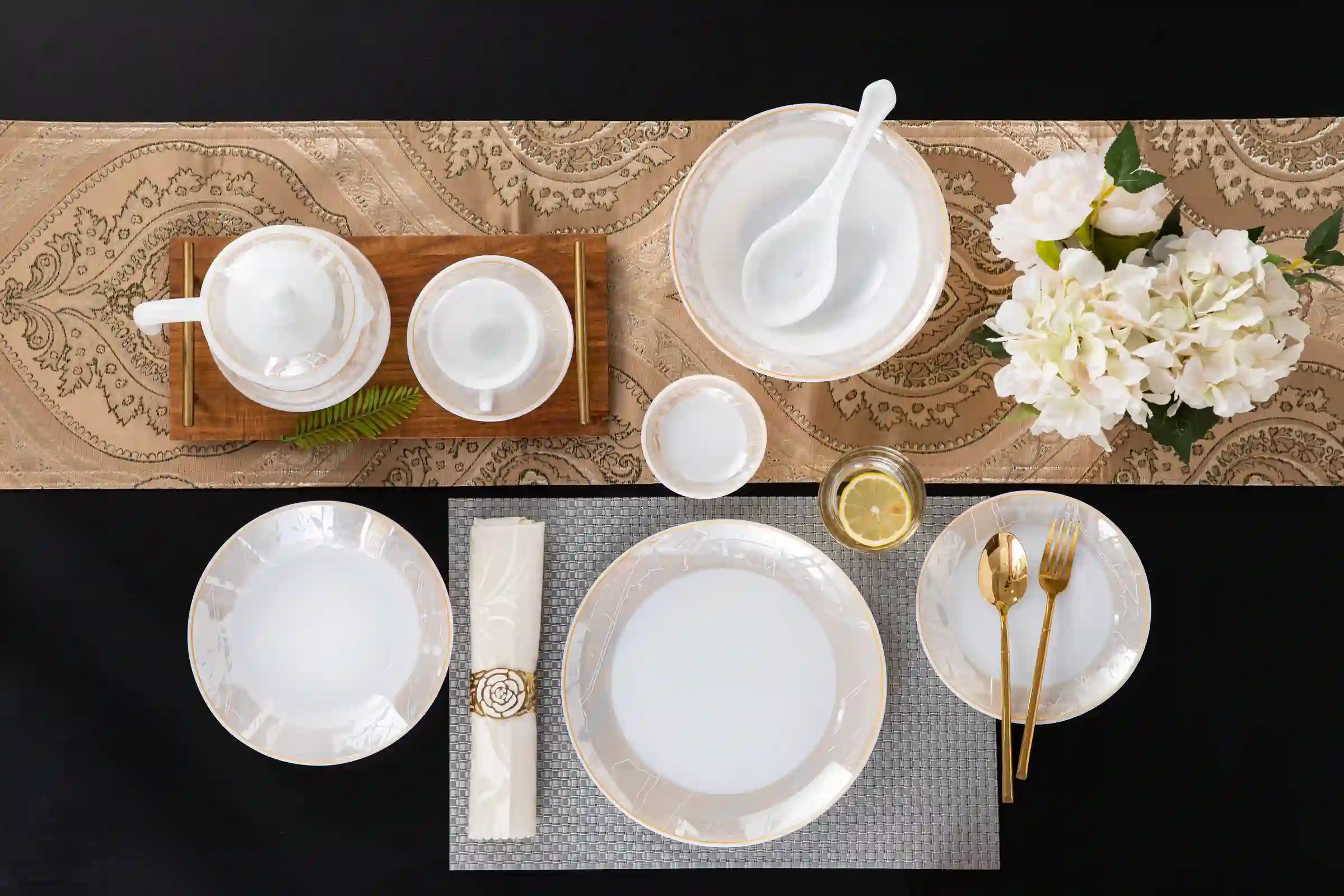
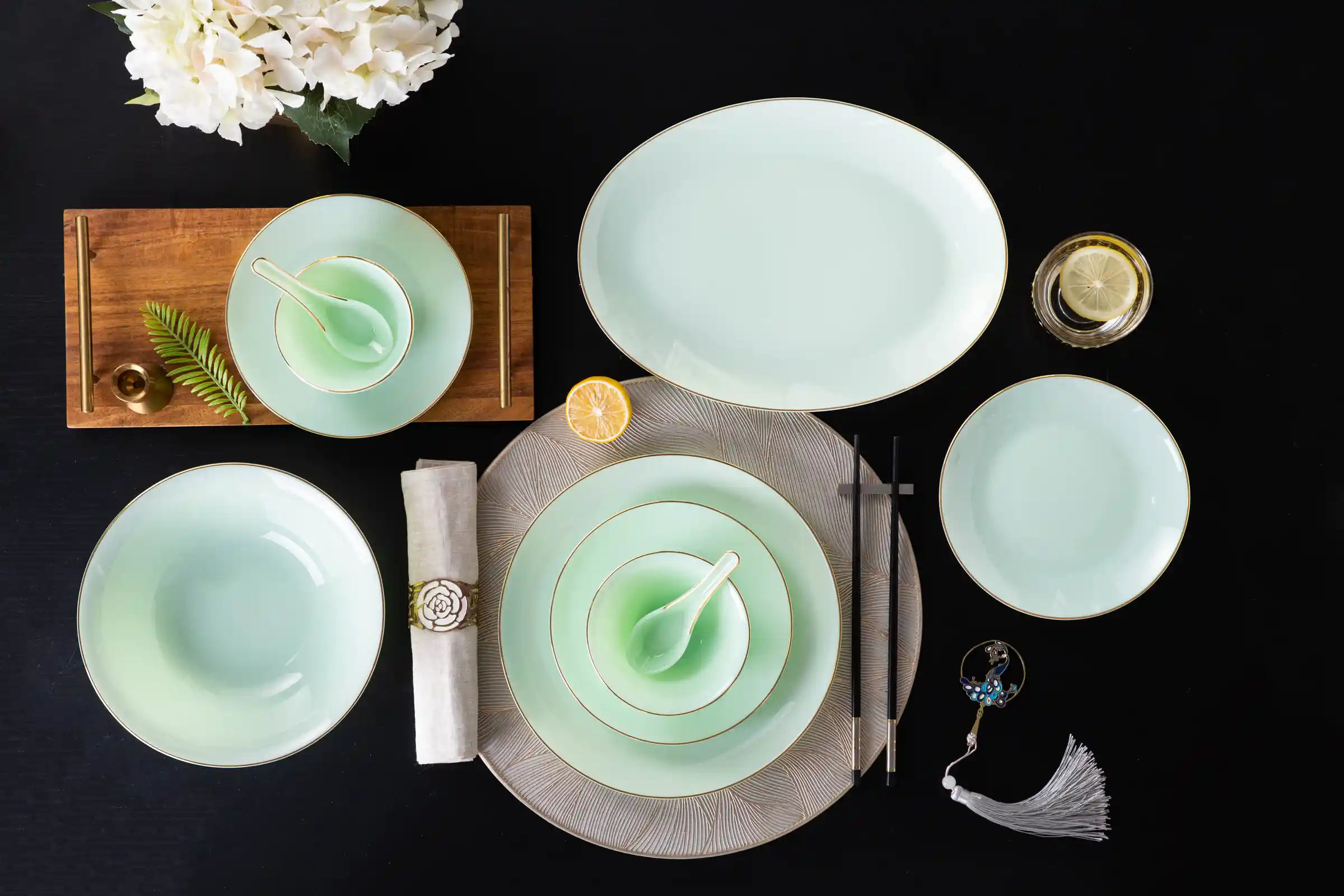
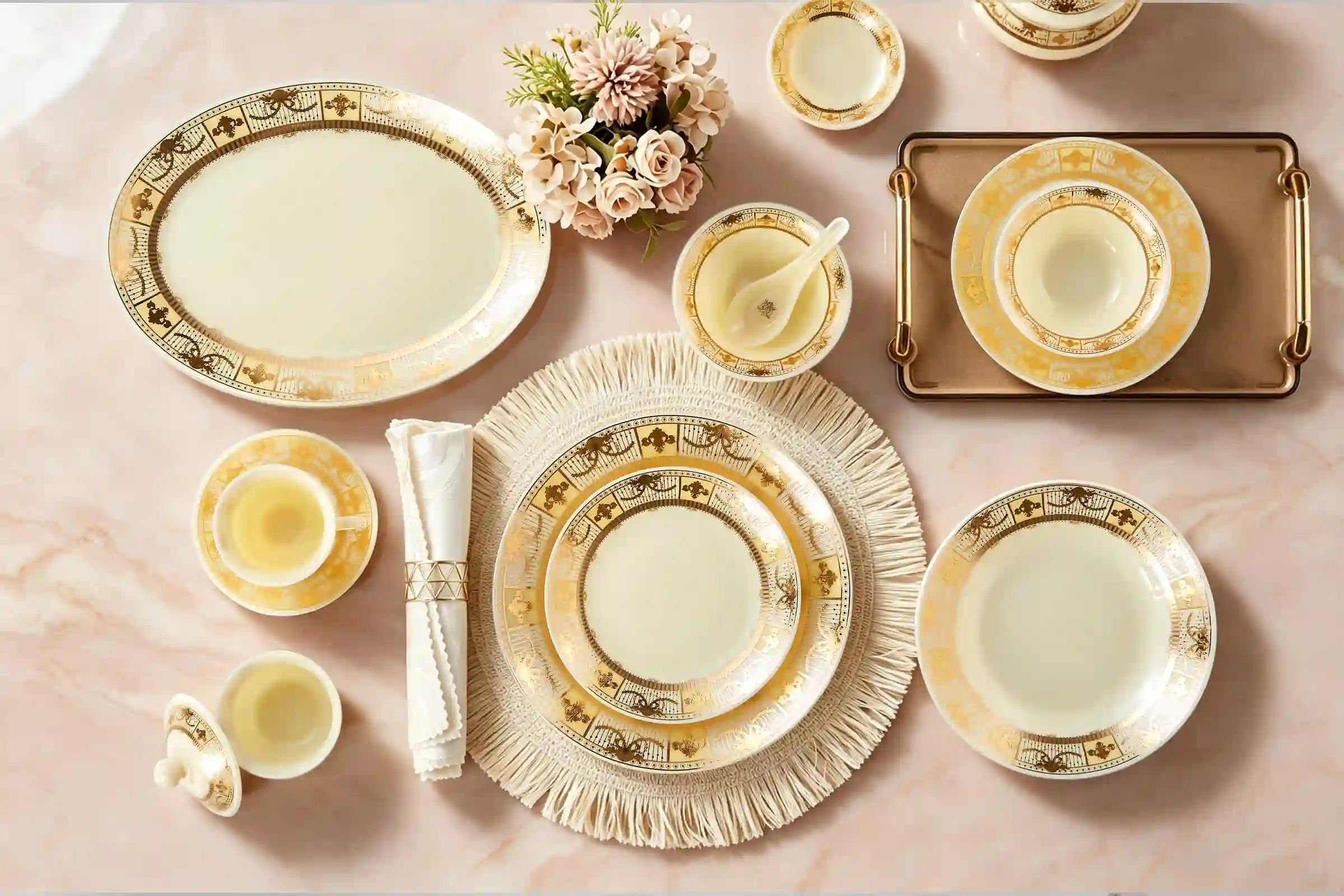
During procurement, it is best to confirm the dinnerware required for each service setting before deciding whether to purchase individual items or complete sets. This helps prevent a situation in which there are enough plates, but not enough cups, bowls, or matching pieces for daily hotel and restaurant service.
Dinnerware Can Be Combined and Purchased by Set Series
Hotels and restaurants can combine different dinnerware types according to their breakfast, dining, and beverage services. The same order does not have to use one identical combination throughout. Hotel breakfast service usually places greater emphasis on quick access. Restaurant dining places greater emphasis on presentation. Beverage service must balance cups and accompanying plates or bowls. Organizing the purchase around actual use cases is usually more effective for inventory control than simply pursuing a higher quantity.
A practical combination process is:
- Identify the main service setting, such as breakfast, buffet service, restaurant dining, or beverage service.
- Determine the basic dinnerware each guest will need.
- Reserve additional quantities based on peak-period turnover.
- Confirm the product colors, sizes, quantities, and replenishment schedule.
Are These Dinnerware Products Durable, Safe, Easy to Clean, and Suitable for Frequent Use?
They Are Suitable for Frequent Use, with Convenient Cleaning and Maintenance
In hotel and restaurant operations, Corelle-style Opalware dinnerware is repeatedly handled, set on tables, cleared, and washed. Procurement therefore should not focus on appearance alone. The actual performance of Opalware should be evaluated according to the specific product model, test conditions, and order documentation. Compared with ordinary ceramic or bone china, buyers should also assess the product material, individual weight, stacking method, and actual workflow.
When evaluating Corelle-style Opalware dinnerware, procurement teams can focus on the following points:
- Whether staff can pick up and move the products easily.
- Whether the products stack securely and reduce storage requirements.
- Whether the surface is easy to clean and resistant to retaining oil or sauce.
- Whether product sizes are consistent and compatible with existing racks and service carts.
- Whether the colors, patterns, and surface finish remain stable after routine washing.
Jointion’s factory has conducted dishwasher testing on related Opalware products and provides corresponding video material. Because performance may vary between different colors, patterns, and decorative processes, buyers should still rely on the test documentation for the specific model and order. If a hotel or restaurant has defined requirements for dishwashers, detergents, or usage frequency, those requirements should be raised during sampling so the supplier can confirm the relevant information for the specific product.
Food-Contact Safety Must Be Confirmed Through Specific Test Reports and Product Standards
External reporting also shows why dinnerware safety should not be judged by marketing language alone. On September 16, 2024, the Hong Kong Consumer Council tested 30 ceramic cups and bowls. Some samples released lead or cadmium under room-temperature testing, but the results remained below the relevant safety limits under international and Mainland Chinese standards. The report by South China Morning Post and the Hong Kong Consumer Council’s test information are referenced in the source list below. Two points should be distinguished: detecting trace elements does not automatically mean that a product is non-compliant; however, for hotels and restaurants, asking suppliers for test documentation that corresponds to the actual order remains the more prudent purchasing approach.
Before placing an order, buyers should confirm:
- Whether the product material and intended use are clearly identified.
- Whether food-contact test reports are available.
- Whether the product model, color, and decoration covered by the report match the actual order.
- Whether patterns, logos, and edge decorations are included within the test scope.
- Whether the target market has additional labeling or compliance requirements.
- Whether the supplier has stable production, inspection, and high-volume delivery capabilities.
Colors, glaze, and decorative processes should all be confirmed through the relevant product documentation. Buyers should not apply the test result for one white product directly to another product with a different color, decal, or logo. When supplying Opalware products, Jointion should also confirm the relevant documentation according to the customer’s target market and specific order.
Can the Color, Pattern, Size, and Brand Logo Be Customized?
Colors, Patterns, Sizes, and Logos Can Be Customized
Hotel and restaurant dinnerware requirements often go beyond “white dinner plates.” Some customers want the dinnerware to match their brand colors, restaurant interior, or menu style. Others may need their own product series. As an Opalware dinnerware manufacturer, Jointion can discuss the following customization options according to the product and order requirements:
- Product colors, including standard white, black, and other specified colors.
- Surface patterns, rim patterns, and the visual coordination of a complete dinnerware set.
- Product sizes and combinations of different specifications.
- Hotel or restaurant logos.
- The number and combination of products included in a dinnerware set.
Design Files, Samples, and Detailed Specifications Must Be Confirmed Before Customization
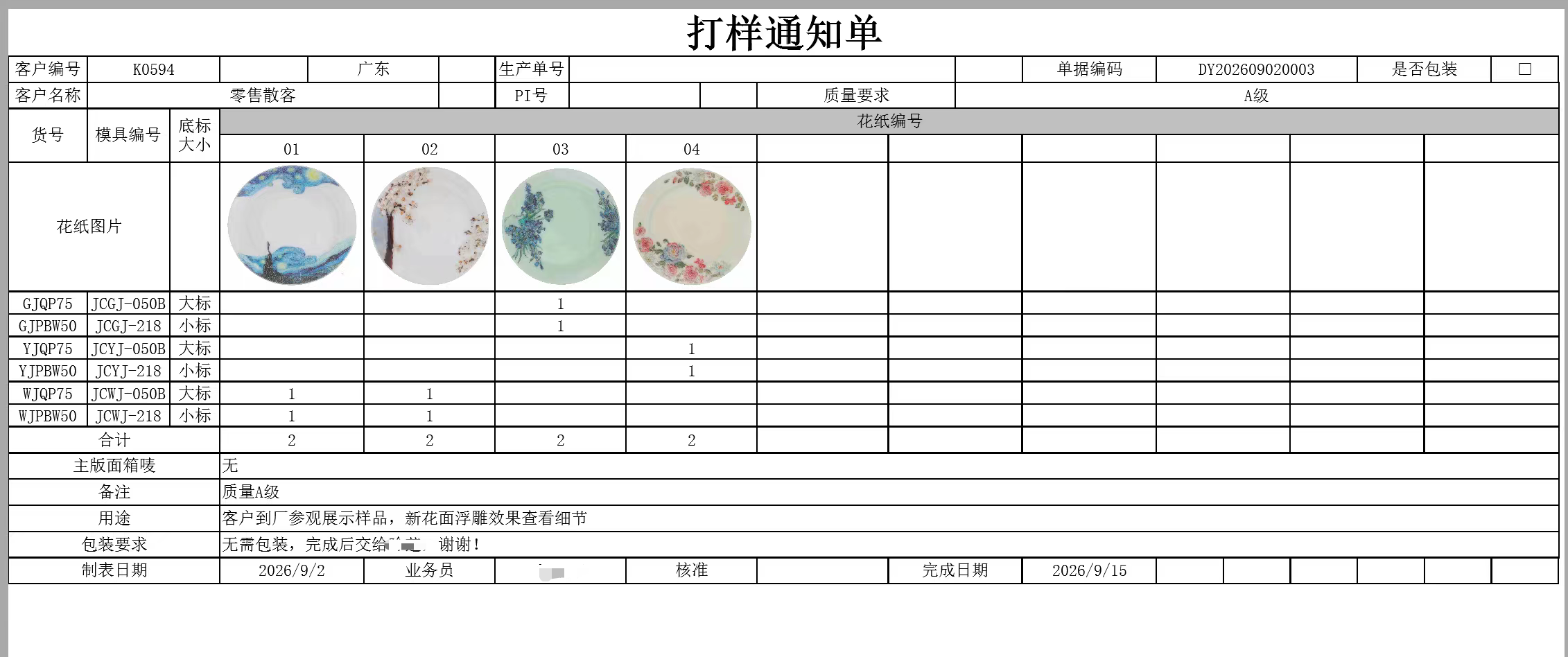
Before customization begins, the logo file, color, pattern placement, product size, order quantity, and sample result must be confirmed. The most common challenge in a customization project is not whether a product can be made, but whether both parties have the same understanding of what the finished product should look like. The design and product requirements should therefore be confirmed before production starts.
Customers usually need to provide:
- The original logo file or a clear brand artwork file.
- The target color, color card, or reference sample.
- The pattern position, size, and printing area.
- The exact sizes of the plates, bowls, cups, and other products.
- The purchase quantity for each product.
- The intended use setting, such as breakfast, dining, conference catering, or room service.
Jointion can confirm the product plan based on the customer’s materials and then arrange sample or visual approval. During sampling, the color, pattern placement, rim effect, dimensions, and actual table presentation should be checked carefully. For hotels or restaurant chains that require long-term replenishment, it is advisable to retain the approved sample, specification sheet, and color records as references for later orders.
To reduce misunderstandings about colors, sizes, and patterns, customization orders should complete document confirmation before production. Jointion’s internal team checks the product specifications, design information, and sample results against the order requirements. These records can also serve as references for future replenishment.
If you interest how our Jointion factory make those opalwares,you can view this Jointion Opalware dinnerware production-process video .
What Are the Wholesale MOQ and Lead Time?
The MOQ Depends on the Product Type, Order Quantity, and Customization Requirements
There is no single MOQ that applies to all wholesale dinnerware orders. Standard products, decal products, and special-finish products require different production arrangements, so their MOQs can also differ. The following are some current MOQ references from Jointion:
| Product or Process | Reference MOQ |
|---|---|
| Standard white or black products | 1,000 sets |
| Standard decal products | 500 sets |
| Low-temperature embossed finish | 200 sets |
| Jade-finish dinnerware series | 200 sets |
These figures are common reference values. The final MOQ still needs to be confirmed according to the product model, color, set configuration, packaging method, and production schedule. The source information does not list a separate standard MOQ for colored or logo products, so these orders should be calculated separately according to the specific product and decorative process.
For hotel or restaurant orders involving multiple products or mixed colors, each product quantity should be confirmed before quotation rather than confirming only the total number of sets. When requesting a quotation, buyers should ideally provide the following information at one time:
- The types of products required.
- The quantity of each product or dinnerware set.
- Whether color, pattern, or logo customization is required.
- Whether retail boxes or dedicated packaging are required.
- The expected delivery location and required use date.
The more complete the information, the more accurately the MOQ and quotation can be calculated. Repeatedly adding product and quantity details often extends the confirmation process.
Lead Time Depends on Sample Approval, the Production Schedule, and the Shipping Method
Lead time usually does not start from the customer’s first inquiry. It is normally arranged after the product, sample, quantity, and packaging requirements have been confirmed. Hotels and restaurants should also inform Jointion of opening dates, seasonal changes, exhibitions, or promotional deadlines, because these dates directly affect production and shipping arrangements.
A complete wholesale order usually includes the following stages:
| Stage | Main Items to Confirm |
|---|---|
| Product confirmation | Style, size, color, material, and set configuration |
| Sample approval | Appearance, dimensions, pattern, logo, and packaging result |
| Production scheduling | Raw materials, production lines, decoration, and quality inspection arrangements |
| Shipment preparation | Packing quantity, carton markings, pallets, and container loading method |
| International transportation | Vessel schedule, destination port, customs clearance, and local delivery arrangements |
For Jointion’s volume orders in the Middle East, Southeast Asia, and Central Asia, customers commonly purchase complete sets. Some customers replenish approximately every two months, with each replenishment involving around one to two shipping containers. Common repeat purchases include 35-piece sets. Based on some historical loading experience, one container can hold approximately 2,010 sets of 35-piece dinnerware. This figure applies only to a specific set, packaging method, and loading condition, and should not be treated as a fixed container-loading standard for all products. It shows why the first purchase should account for future replenishment rather than covering only the initial opening quantity.
How Should Large-Volume Dinnerware Be Packed and Shipped to Reduce Breakage?
Individual Separation, Layered Protection, and Reinforced Cartons Can Reduce Shipping Damage
For large hotel and restaurant orders, separating individual pieces, protecting them by layers, and using reinforced cartons can reduce collision and compression during container loading, handling, and long-distance transportation. Dinnerware breakage is rarely caused by one factor alone. Impacts during packing, empty space inside cartons, stacking pressure, handling methods, and long-distance transport can all increase the risk. For hotels and restaurants, packaging must protect the products while also making receiving, counting, and storage easier.
Common packaging protection measures include:
- Separating individual pieces to reduce direct friction between products.
- Arranging products in layers to prevent excessive pressure on the bottom pieces.
- Using cushioning materials to reduce movement and impact during transport.
- Reinforcing inner boxes and outer cartons to reduce the risk of compression damage.
- Adjusting the packaging to the product shape, with special attention to cup handles, plate rims, and deep-bowl edges.
- Marking the product name, quantity, orientation, and handling requirements on the outer cartons.
Because hotels and restaurants commonly purchase by set or in complete batches, the packaging plan must be verified before formal shipment rather than judged only by the appearance of the outer carton. Jointion has conducted drop tests on different packaging methods, focusing on vulnerable areas such as plate rims, deep bowls, and cup handles. The final packaging method should be determined according to the product dimensions, set structure, transportation method, and the customer’s container-loading requirements. Packaging should not focus only on loading more units; it must balance loading efficiency with the risk of breakage.
The following video demonstrates the packaging method used by Jointion Company for tableware.
For hotels and restaurants, the purchasing priorities for Corelle-style Opalware dinnerware can be summarized in five areas: product types should match the service setting; product performance should suit frequent use; customization requirements should be confirmed before production; the MOQ and lead time should be calculated according to the actual order; and packaging and transportation should be verified in advance. Jointion can provide suitable Opalware dinnerware solutions based on the hotel or restaurant’s product combination, customization requirements, and wholesale purchasing plan.
External source note: Information about dinnerware design trends is based on the US Foods report published on July 10, 2026. Information about lead and cadmium release from ceramic dinnerware is based on the South China Morning Post report published on September 16, 2024 and the Hong Kong Consumer Council test information. Information about food-contact material regulation is based on FDA materials. Information about Red Sea shipping risks is based on the Associated Press report and the Le Monde report published on September 14, 2026. External reports are provided to explain the procurement background and related risks. They do not replace product test reports, order confirmations, or shipping arrangements.