
If you’re looking for new dinnerware, you’ve probably come across “opal glass” more than once. Is it actually any good? Is it worth your money? This article skips the brand recommendations and sales talk. It breaks down the opal glass dinnerware pros and cons based purely on the material — what it does well, where it falls short, how it compares to alternatives, and who should consider it.
Is Opal Glass Good for Dinnerware? Short Answer First
Yes. Among the dinnerware materials available today, opal glass is one of the most well-rounded options you can pick.
It’s tempered, so it handles impact 2–3 times better than regular glass. It contains no lead or cadmium. The surface has zero porosity — meaning it won’t absorb odors or trap bacteria. And it works in the microwave and dishwasher without any fuss.
Most materials have at least one weak spot. This table shows how opal glass compares at a glance:
| Material | Lead & Cadmium Free | Non-Porous | Microwave Safe | Dishwasher Safe | Impact Resistance | Stain & Odor Resistance |
|---|---|---|---|---|---|---|
| Opal Glass | Yes | Yes | Yes | Yes | High | Excellent |
| Porcelain | Usually yes | Yes | Depends on style | Yes | Low to medium | Depends on glaze |
| Stoneware | Usually yes | Depends on glaze | Depends on style | Yes | Medium | Average |
| Bone China | Usually yes | Yes | Mostly not recommended | Depends on style | Low | Depends on glaze |
| Regular Glass | Yes | Yes | Depends on style | Yes | Very low | Excellent |
| Melamine | Yes | Degrades over time | No | Yes | High | Poor |
Opal glass is the only material here that checks every box. It’s not flawless — we’ll get to its drawbacks below — but if you need one material that handles everything, it’s hard to beat. New to opal glass and want to understand the basics first? Here’s a beginner’s guide to opal glassware that covers what it is and how it’s made.
What Makes Opal Glass Dinnerware a Good Choice
A good piece of dinnerware needs to do three things: hold up to daily wear, be safe for food, and not create extra work. Opal glass delivers on all three fronts.
It’s Tempered — Tougher Than Regular Glass and Most Ceramics
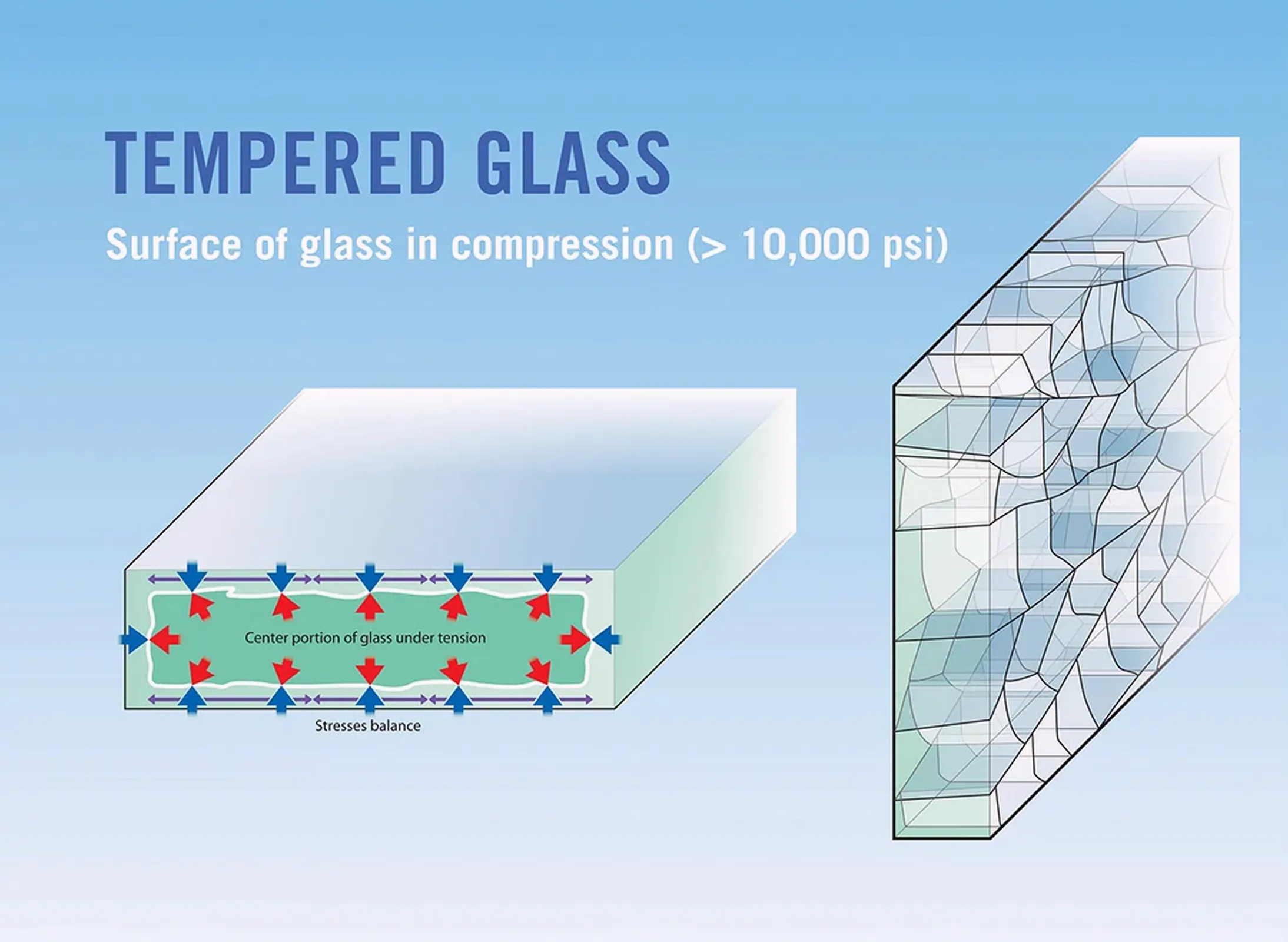
After forming, opal glass goes through a tempering step. It’s heated past 600°C, then rapidly cooled with forced air. This creates a compressed stress layer on the surface that makes it 2–3 times more impact-resistant than regular glass.
What does that mean day to day? Plates clinking when you stack them, bumping the edge of the sink during washing, a kid’s hand slipping at dinner — these everyday accidents won’t crack it. It’s also about 30% lighter than a same-sized ceramic plate, so it’s easier to carry and stacks more securely.
If it does break from a hard fall, it won’t shatter into tiny razor-sharp shards like regular glass. Tempered opal glass fractures into large, blunt pieces. Easier to clean up, and much less likely to cut anyone.
We ran a comparison during pre-shipment testing for a chain restaurant client. Same drop height, same tile floor. The standard white porcelain plate chipped on the first or second drop. The opal glass plate took several drops before any damage appeared. In a busy kitchen washing hundreds of plates a day, that gap adds up fast in annual breakage costs.
Is Opal Glass Safe for Food? Yes — No Lead, No Pores
The formula contains no lead, no cadmium, and no BPA.
The surface is completely non-porous. Curry, soy sauce, tomato sauce — these sit on the surface and don’t soak in. After a year or two, the plate still looks the same shade of white. No yellowing, no lingering smells. That’s a common issue with some ceramic pieces over time.
Zero porosity also means bacteria have nowhere to hide. A proper wash gets it fully clean — no invisible residue trapped in micro-crevices. Qualified opal glass typically passes both FDA and EU food-contact safety standards, the two strictest frameworks in the world.
A food acid leaching study published on PubMed tested opal glass dinnerware specifically and found that heavy metal migration under normal use was far below safety limits. For a deeper look at its chemical stability and which certifications it holds, see this detailed breakdown of opal glass safety.
Microwave and Dishwasher Friendly — No Special Treatment Needed
This sounds basic, but it matters more than people think.
Opal glass goes straight into the microwave. No harmful substances released, no damage to the material. It also handles dishwasher cycles — high-temperature water, mechanical scrubbing — without discoloring or cracking.
Compare that to many ceramic options. Gold-rimmed pieces can’t be microwaved. Hand-painted patterns risk fading in the dishwasher. Bone china often can’t go in the dishwasher at all. Opal glass has none of these restrictions.
When you’re reheating leftovers and running the dishwasher every day, not having to think about it is a real convenience. Melamine is also tough, but the FDA explicitly warns against microwaving food in melamine dishes because heat causes chemical migration. On everyday usability, opal glass has a clear advantage.
Below is a video of our opal glass dishwasher test, along with the actual data obtained from the test conducted at our Jointion factory.
Where Opal Glass Dinnerware Falls Short
No material is perfect. Here’s where opal glass hits its limits.
Thermal Shock — Don’t Go Straight from Fridge to Microwave
Opal glass tolerates a temperature swing of about 120°C. That’s better than regular glass, but there’s still a ceiling.
In practice: a plate fresh out of the fridge should not go directly into the microwave. The sudden temperature jump can crack it. Let it sit at room temperature for a few minutes first. Same rule in reverse — a plate holding boiling-hot soup shouldn’t go under cold running water right away.
This is the one hard rule you need to follow. Most people already let things sit for a moment naturally, so it rarely causes problems. But you should know about it.
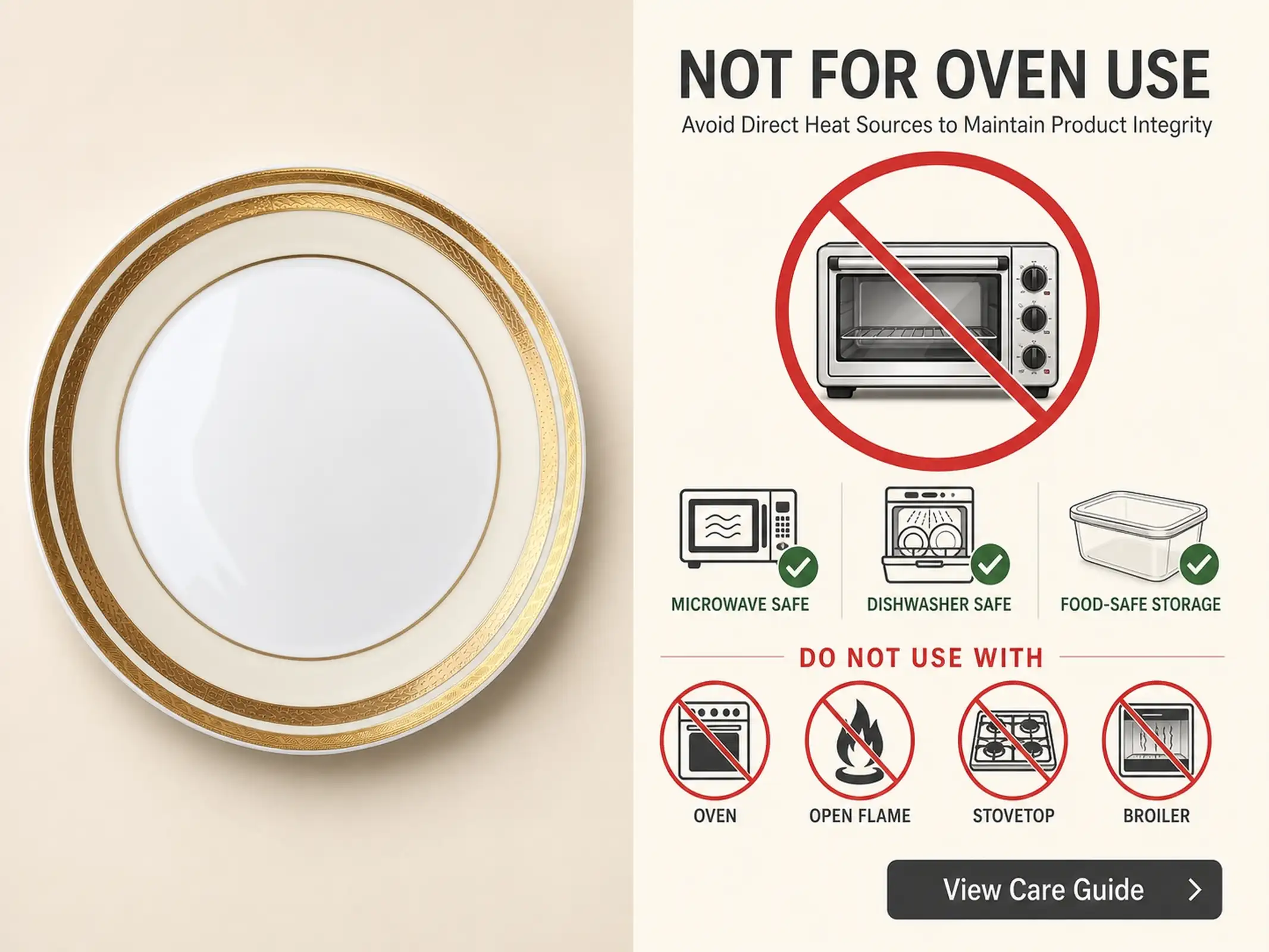
One more thing: opal glass cannot go in the oven. If you make baked rice, roasted vegetables, or anything that needs the plate inside the oven, you’ll need a separate oven-safe dish for that.
Limited Colors and Shapes Compared to Ceramics
The classic opal glass look is white or milky white. Other colors — black, gray, pink — are possible, and so are printed decals. But the overall range is narrow compared to ceramics.
Ceramics offer hand-painted patterns, kiln-change glazes, embossed textures, and irregular shapes. Opal glass is mostly limited to round and oval forms because of how it’s manufactured. Square plates, asymmetrical designs, and embossed details are difficult to produce.
If you like switching up your table setting with seasonal themes and bold colors, opal glass won’t give you much to work with. This isn’t a quality problem — it’s a material limitation. White round plates are its sweet spot, and outside of that, options thin out quickly.
Opal Glass vs Other Dinnerware Materials: A Side-by-Side Look
Knowing the strengths and weaknesses is only useful when you can see how they stack up against alternatives. People often compare opal glass vs porcelain dinnerware in particular, so let’s lay it all out.
| Comparison | Opal Glass | Porcelain | Stoneware | Melamine | Regular Tempered Glass |
|---|---|---|---|---|---|
| Impact Resistance | High | Low to medium | Medium | High | Medium |
| Food Safety | Lead-free, non-porous | Depends on glaze quality | Depends on glaze quality | Degrades over time | Lead-free, non-porous |
| Microwave Safe | Yes | Depends on style | Depends on style | No | Depends on style |
| Dishwasher Safe | Yes | Yes | Yes | Yes | Yes |
| Stain & Odor Resistance | Excellent | Good when glaze is intact; declines with age | Average | Poor | Excellent |
| Design Variety | Limited | Very rich | Rich | Rich | Very limited |
| Weight | Light | Heavier | Heavy | Light | Medium |
On pure practicality, opal glass leads the pack. It’s the only material here that scores well across every category at the same time.
If aesthetics and design variety matter most to you, porcelain wins. More colors, more shapes, more texture — that’s where it clearly pulls ahead.
If “completely unbreakable” is the top priority, melamine wins. But it can’t be microwaved, and its surface degrades over time, trapping stains and bacteria. Those trade-offs come with the territory.
No material is perfect across the board. Opal glass earns its spot as the option with the fewest compromises.
Is Opal Glass Dinnerware Right for You? It Depends on How You Use It
A material being good on paper doesn’t automatically mean it’s the right fit for your kitchen. It depends on how you actually use dinnerware.
Daily Family Meals — This Is Where Opal Glass Plates Are Good for Daily Use
Cook, eat, wash, stack, repeat tomorrow. That’s the cycle opal glass for everyday dinnerware was built for.
Kids knock a plate? Probably fine. Curry stain? Wipes right off. Need to reheat leftovers? Microwave it directly. Time to clean up? Dishwasher, done. No special handling required at any step.
A Southeast Asian distributor we’ve worked with for three years noticed something interesting: after stocking opal glass in household retail channels, the repurchase rate ran noticeably higher than ceramic sets at the same price. He followed up with end users and kept hearing the same thing — “Two years in, it still looks new, and we haven’t broken a single piece.”
If you want dinnerware you don’t have to baby — something that stays looking good for years without needing replacement — this material is a strong fit. Over on Reddit, the r/BuyItForLife community has a discussion thread about tempered glass dinnerware longevity where users report 10+ years of daily use with no noticeable wear.
Two Situations Where Opal Glass Isn’t the Right Pick
You need oven-to-table service. Baked rice, roasted vegetables, cheese-topped lobster — anything where the plate goes into the oven with the food. Opal glass can’t handle oven temperatures. It will crack. Use oven-rated ceramic or glass bakeware instead.
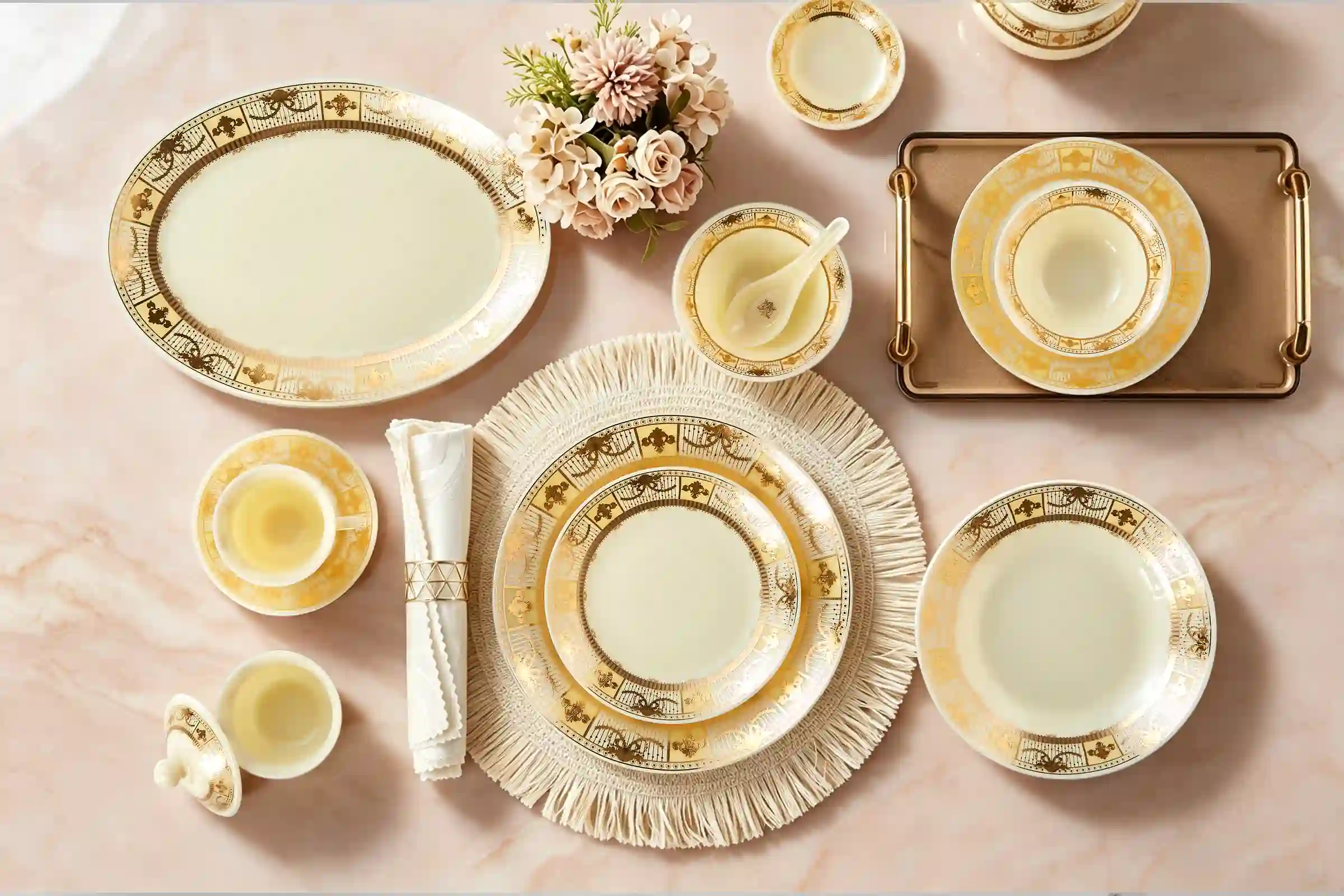
You want a curated, design-forward table. If you enjoy rotating hand-painted plates, mixing bold colors, and building a specific visual mood with your tableware, opal glass doesn’t have the range. White rounds are what it does best. Beyond that, options are thin. Ceramics or porcelain give you far more to play with.
So — is opal glass dinnerware worth it? If what you value most is durability, safety, and zero fuss with daily meals, yes. Its limits are clear: no oven use, limited design range. Which side matters more is up to you. This article gives you what you need to decide.
Already made up your mind? Browse our opal glass dinnerware product catalog to see available shapes, sizes, and customization options.
Common Questions People Ask
Q1: Will printed patterns on opal glass fade after a lot of dishwasher cycles?
With proper production, no. Quality opal glass uses high-temperature sintering — the decal fuses with the glass surface at 680°C+. It’s not a film sitting on top. This process holds up to 2,000+ commercial dishwasher cycles without fading or peeling.
Cheaper products may use low-temperature decals or screen printing, which won’t last nearly as long. When buying, ask about the decal process — it matters more than how the pattern looks on day one.
Q2: My restaurant uses porcelain now. Can I mix in opal glass during a transition?
Yes. The two materials work fine together in the dishwasher and on storage shelves. One thing to note: opal glass is much lighter. If you stack a porcelain plate on top, an uneven base could scratch the opal glass underneath.
Best practice is to stack them separately. Or start the transition by replacing your highest-breakage items first — usually soup bowls and dessert plates — and let real breakage data tell you whether a full switch makes sense.
Q3: Can I use opal glass plates on a buffet chafing dish?
Not recommended. Chafing dishes apply continuous heat from below — open flame or electric — keeping the plate bottom above 100°C for extended periods with uneven distribution. That’s different from a microwave, which heats evenly and briefly.
Stick with stainless steel gastronorm pans or heat-rated ceramics for the warming station. Opal glass works better on the serving side, where guests pick up plates for their own portions.