
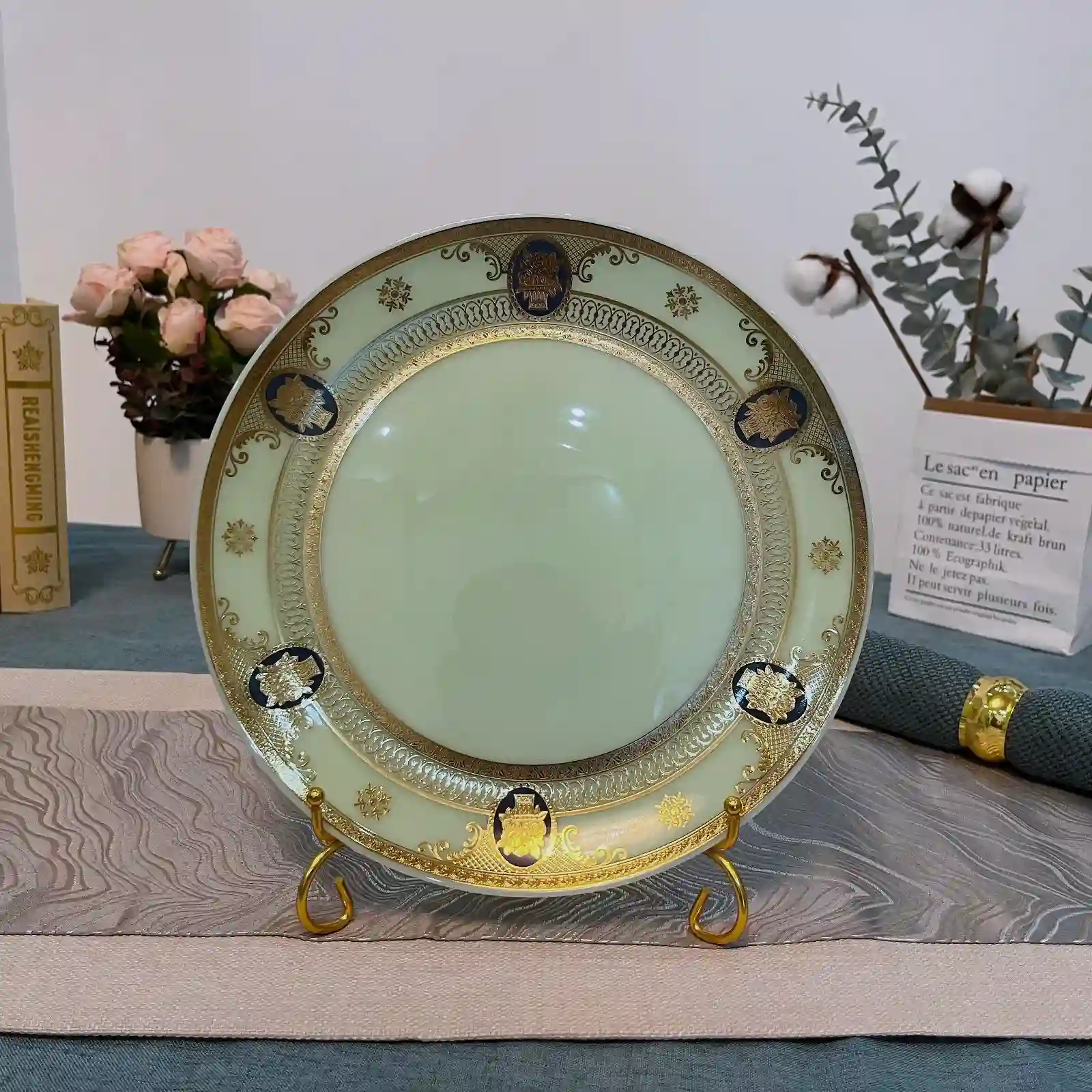
Opal Glass Plate Safer Breakage Pattern | Less Sharp

FeatureDescription
Breaks Into Blunt Pieces, Not Sharp ShardsOpal glass plates fracture into larger, duller fragments—not tiny razor-sharp splinters—reducing cut injuries after accidental drops.
Trusted in Hospitals, Nursing Homes & SchoolsThe predictable breakage mode makes opal glass plates a safer dinnerware choice for environments with children, elderly, or patients.
Easier Cleanup, Fewer Hidden FragmentsBroken opal glass plates leave visible, manageable pieces instead of scattering micro-shards across the floor that are easy to miss.

Video and What We Can Customize for you

Size Customization

Opal glass plates offered in 7.5″/8″/8.5″/9″/9.5″/10″/10.5″/11″/12″ to suit different serving and plating needs.

Available plate colors: white, black, jade green, topaz yellow, and milky white—all maintaining the same safe breakage structure.

Plates support decal transfer, low-temperature embossing, and pad printing for clear, lasting brand or pattern display.

Round, square, oval, coupe, and custom plate shapes available—each retains opal glass’s controlled fracture performance.

Plate packaging customized with your branding, protective inserts, or retail-ready design based on project requirements.

Four Best-Selling Decal Designs

The four designs on the right are the best-selling in this series so far, and here are the top 5 countries that have been inquiring the most:

  1. USA – steaks, salads, pasta servings
  2. Germany – sausage platters, bread, and side dishes
  3. Saudi Arabia – kabsa rice, grilled lamb
  4. Japan – sushi, grilled fish, appetizer plates
  5. Australia – barbecue portions, café brunch, dessert plates

FAQs

Contact Person Icon

Commernts Question People Often Curious

It gathers the five most frequently asked questions by users regarding this product. If you are also interested, you can click to have a look.

How do opal glass plates break differently from regular glass?
Regular glass shatters into many tiny, razor-sharp splinters that scatter widely. Opal glass plates have a glass-ceramic structure that disperses stress more evenly. When broken, they fracture into larger, blunter pieces that are easier to see and pick up. This controlled breakage pattern means less risk of deep cuts and a simpler, safer cleanup process.
These facilities need dinnerware that minimizes injury if dropped. Opal glass plates break into duller, fewer fragments rather than dangerous fine shards. Staff can quickly identify and collect all pieces. The plates are also non-porous, lead-free, and easy to sanitize—meeting the strict hygiene and safety standards required in healthcare dining settings.
Any broken plate can pose some risk. The difference is that opal glass plates produce blunter, more visible fragments instead of micro-shards that embed in skin or hide on floors. This does not make them completely harmless, but it meaningfully reduces wound severity and the chance of stepping on unseen splinters compared to standard glass plates.
Kids drop plates frequently. Opal glass plates break into rounder, less jagged pieces—reducing cut risks on small hands and bare feet. They are also lightweight for children to carry, free of lead and cadmium, and non-porous for easy daily cleaning. This combination of safer breakage and hygiene makes them practical for childcare foodservice use.
Yes. For hotel chains, airlines, and institutional buyers, plate breakage behavior affects liability, worker safety, and cleanup costs. Opal glass plates’ predictable fracture into blunt pieces means fewer injury incidents and simpler post-accident handling. Bulk buyers increasingly list safer breakage pattern as a key specification alongside price and durability.
Scroll to Top

Contact us

Connect with us for tailored solutions, partnership opportunities, or product inquiries — we’re ready to support your vision.

learn More​

Please let us know the products or service you want to know  and we will contact you as soon as possible.