
Whether it’s Instagram tablescaping posts or Reddit glass-collecting threads, milk glass dinnerware has been showing up a lot more often over the past two years. Some people see it as a passing retro fad. Others think it’s quietly crossing over from niche collectible to mainstream table option.
This article skips the general history lesson. It doesn’t teach you how to spot fakes either. It answers one question: is milk glass dinnerware getting more popular — and is the evidence real? We pulled data from four directions — search trends, style movements, product signals, and industry shifts — so you can decide for yourself.
Is Search Interest in Milk Glass Dinnerware Actually Rising?
Short answer: yes. But not the “blew up overnight” kind. It’s a slow, steady climb.
On Google Trends, searches related to “milk glass dinnerware” have been rising consistently over the past two years, mostly in the U.S. In trend analysis, that kind of gradual curve usually means one thing: real consumer interest is growing — not a spike from one viral video that fades in a week.
The community side backs this up. In July 2025, someone posted on Reddit’s r/glasscollecting: “Is milk glass getting more popular?” They said thrift stores near Washington, D.C. used to be full of milk glass just months earlier — now it was almost gone. A vintage shop owner replied that milk glass “isn’t a hot seller yet,” but customers were “starting to stop and look more, asking questions.” That Reddit thread is a firsthand record of how collectors and dealers are seeing demand shift.
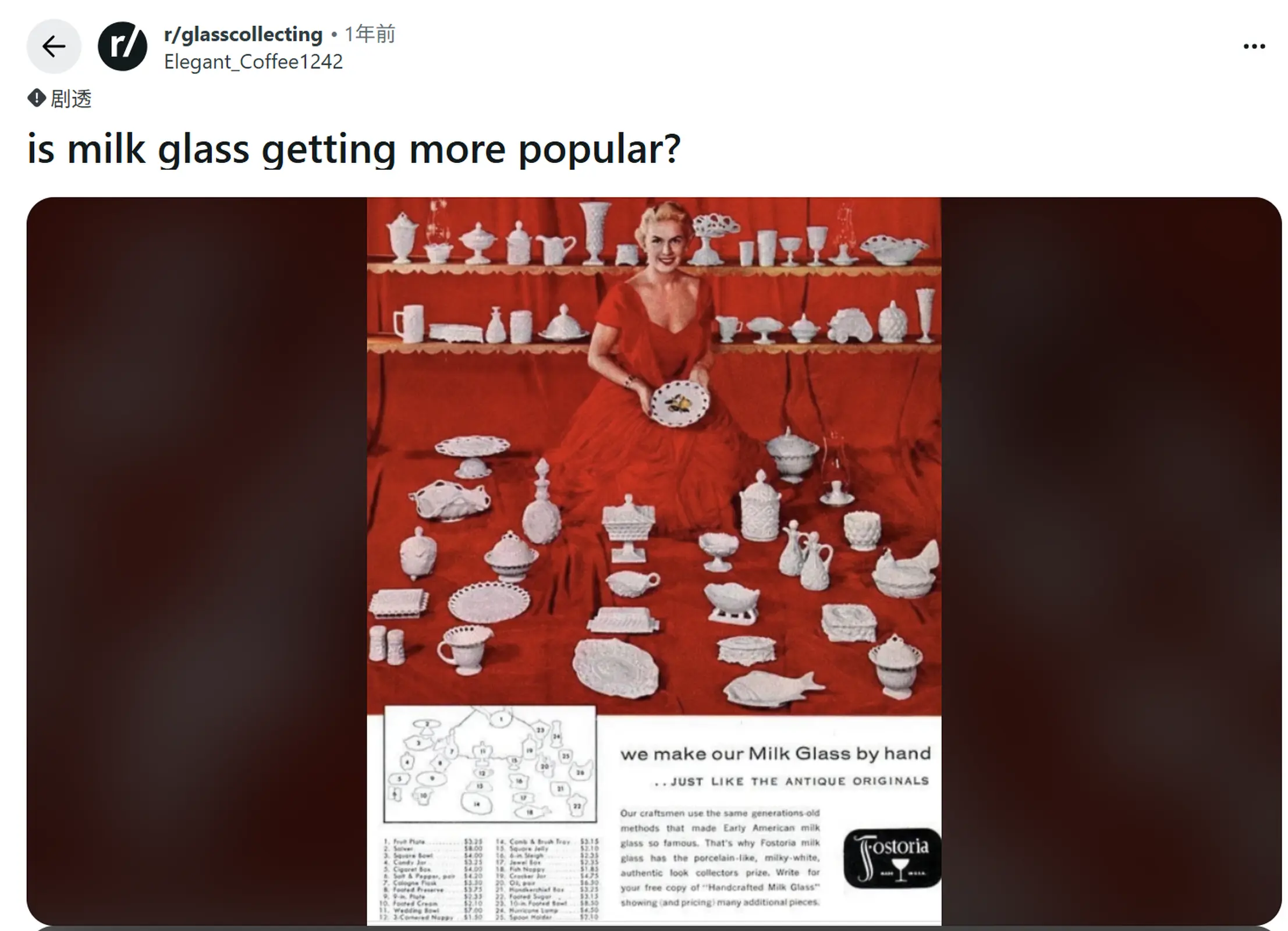
Curiosity is rising. Buying hasn’t fully caught up yet. That gap is textbook early-stage trend behavior.
Mainstream media is moving too. Wirecutter listed Mosser Glass milk glass dinner plates in its 2026 “Best Dinnerware Sets” review, calling the material “a type of opaque glass called milk glass.” When a review site known for strict hands-on testing includes milk glass, it means the category has left the collectors’ world and entered normal shoppers’ radar.
Instagram tells the same story. One vintage retailer posted: “Milk Glass is making a comeback — we have tons of beautiful vintage milk glass: hobnail patterns, plates, every shape you can think of.” That’s not one small account talking to itself. It’s part of a broader narrative building across the platform.
Search data climbing. Community discussions heating up. A major review site listing it. Social media exposure growing. Four separate signals, all pointing the same way. This isn’t a small-circle nostalgia loop.
Why Is Milk Glass Popular Again Right Now?
Vintage Home Style Keeps Rising — and Milk Glass Fits Right In
Cottagecore, farmhouse, quiet luxury — the home aesthetics driving the conversation right now share one thing: they favor objects that feel warm, textured, a little “not-from-a-factory.” Not every dinnerware material can ride that wave. Milk glass can.
Here’s why: it’s opaque but doesn’t look heavy. It’s glass, but visually closer to white porcelain. Light hits it and you get a soft, diffused glow — not a harsh mirror bounce. That frosted, matte-premium quality is something clear glass can’t do. Regular white ceramics can’t fake it either.
And this isn’t milk glass’s first comeback. A collector with 40+ years in the game wrote on Bungalow 47: “In the forty years I’ve been collecting milk glass, its popularity has come and gone many times.” But she pointed out what’s different this round — the style range is much wider now. Milk glass works in a cottagecore bedroom, a farmhouse kitchen, a Nordic minimalist table, even an eclectic shelf display. Very few dinnerware categories cross that many aesthetics without looking out of place.
There’s a mass-market marker worth noting too. Apartment Therapy reported that Joanna Gaines put jadeite — milk glass’s green cousin — into Target’s Hearth & Hand line. When a mass-market retailer embraces opaque vintage glass tableware, the aesthetic shift has already jumped from niche to mainstream. Milk glass is on the same path, just in classic white.
Curious whether milk glass and opal glass are actually the same material? This explains it: Is Milk Glass the Same as Opal Glass?
Social Media Brought Milk Glass to a Whole New Generation
In the ’80s and ’90s, milk glass spread through antique shows and collector newsletters. Limited reach, slow movement. Today, one well-shot milk glass table photo on Instagram can land in front of hundreds of thousands of people who’ve never been inside an antique shop.
Milk glass is practically made for the camera. Its even white surface looks good against almost any background — wood, linen, greenery, colored walls. The diffused surface gives photos a naturally soft feel, without the glare problems that clear glass creates. For home bloggers and creators, it’s an instant scene upgrade with zero extra effort.
We’ve noticed something interesting in our own client conversations: some B2B buyers told us they first found out about opal glass dinnerware after seeing milk glass tablescapes on Pinterest or Instagram. They liked the frosted white texture and started looking for similar products for their own lines. Social media isn’t just pulling in end consumers — it’s pushing procurement interest upstream.
One Reddit commenter put it well: “For millennials, the collecting thing is still very early.” A whole generation is just now discovering what older collectors have known for decades. In Facebook milk glass groups, younger users regularly ask the most basic questions — “How do you tell milk glass from regular white glass?” More beginner questions means more new people entering the space.
People Are Actually Eating Off It Now — Not Just Displaying It
This might be the most interesting shift in the whole resurgence: people aren’t just putting milk glass on shelves anymore. They’re using it at meals.
Milk glass used to be treated as decoration. Now, in Facebook groups, users post their milk glass as daily dishes — “these are my everyday kitchen plates.” On Reddit, one person said they use a full vintage Fire King milk glass set as their main dinnerware — dinner plates, salad plates, teacups, the works.
Christine Browning, president of the National Milk Glass Collectors Society, confirmed this in a Martha Stewart interview: “Vintage milk glass was originally designed for table use.” For more on collecting history and value, Martha Stewart’s feature covers it in depth: A Guide to Collecting Milk Glass — and How Much It’s Worth.
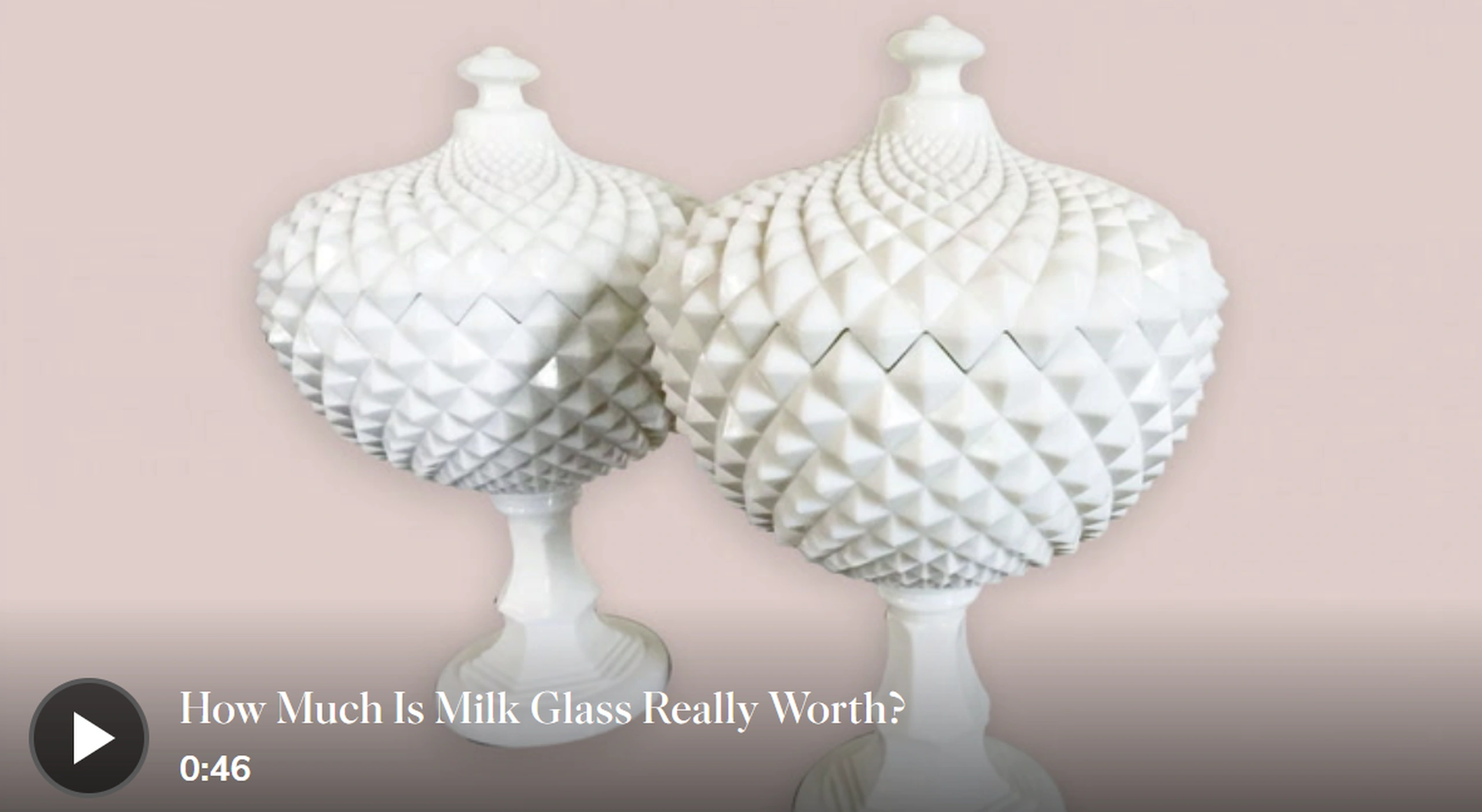
This shift from “display piece” to “daily dinnerware” matters for the market. It stretches the audience from a narrow collector niche to anyone who cares about how their table looks. Someone who’d never buy a decorative compote might absolutely buy a set of opal glass salad plates for a dinner party.
Which Milk Glass Items Are Gaining Heat the Fastest?
Are Milk Glass Plates Coming Back in Style as Everyday Tableware?
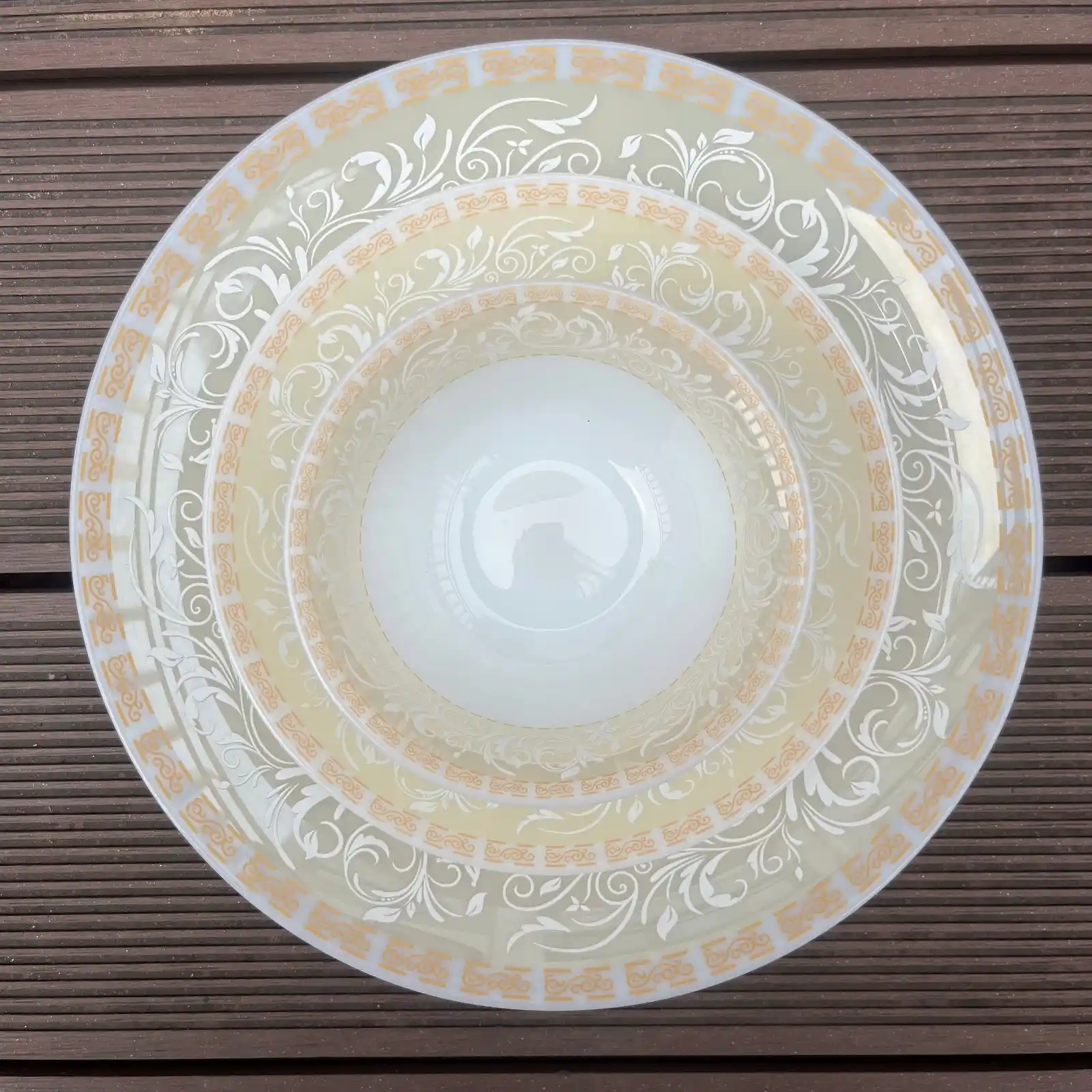
The biggest demand growth isn’t in vases or decorative pieces. It’s in the most basic category: plates and bowls.
A Reddit post titled “Does anybody make contemporary milk glass serving plates?” spelled it out. The poster said they prefer glass over porcelain and wanted entrée plates, salad plates, and pasta dishes for daily use — but couldn’t find any. That post is years old now and still getting fresh replies. The demand was always there. Supply just didn’t keep up.
That’s starting to change. Mosser Glass, a handmade glass maker in Ohio, now sells a milk glass line — 10-inch dinner plates, salad plates, soup bowls — all dishwasher safe. Wirecutter listed them in 2026. One Reddit user called Mosser’s plates “the sturdiest and most beautiful glass dinnerware I’ve ever owned.” World Market launched colored milk glass salad plates too, marketing them with a straight “retro 1950s style” pitch.
The overall picture: milk glass dinnerware popularity is shifting from collectible to daily tableware. Consumers increasingly want a usable set — plates and bowls that go on the table, go in the dishwasher, and still look good. Not a single vintage piece locked in a cabinet.
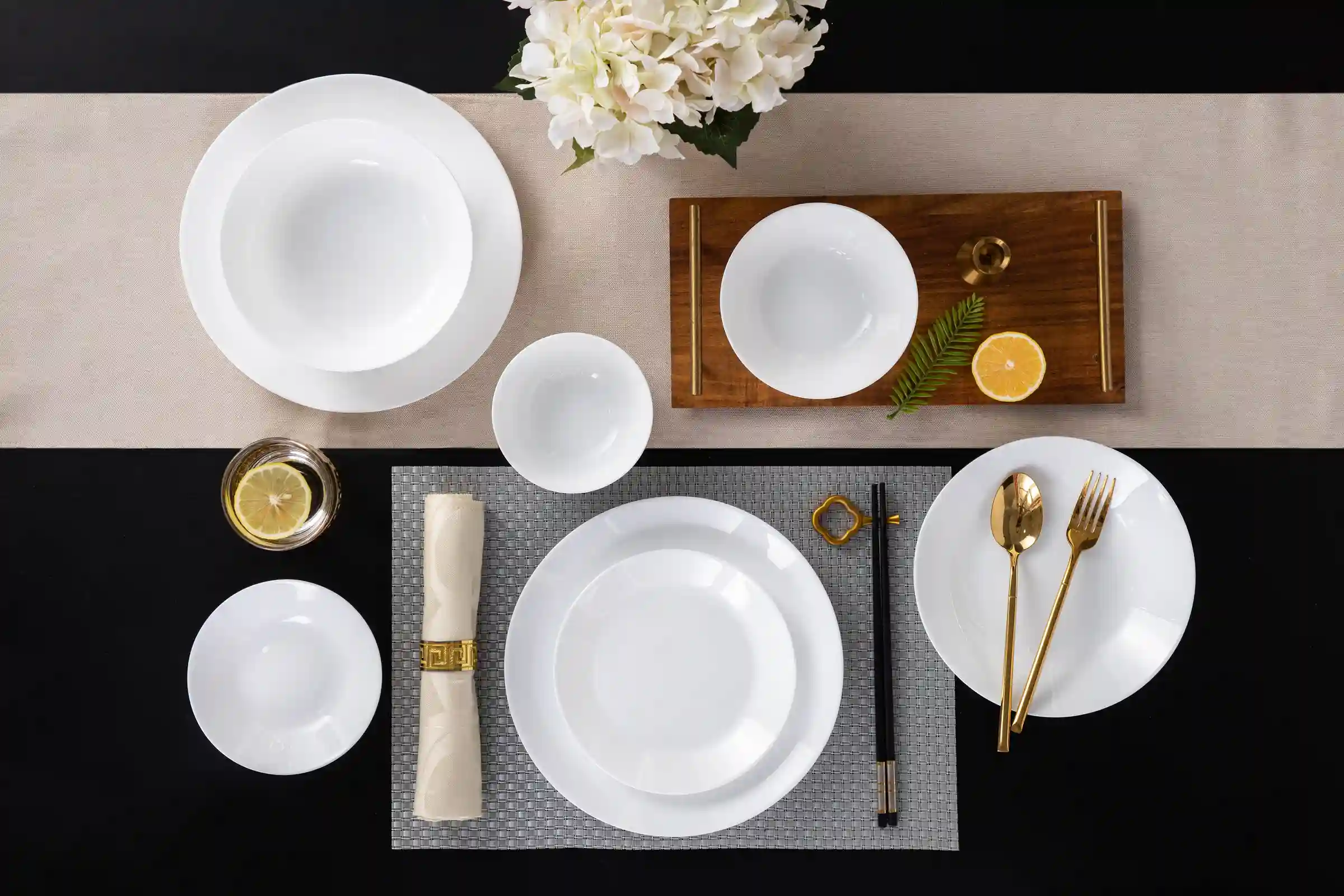
Here’s a quick comparison of milk glass versus other common dinnerware materials:
| Attribute | Milk Glass (Opal Glass) | Traditional Ceramics | Clear Glass |
|---|---|---|---|
| Visual texture | Soft, opaque, natural frosted feel | Wide glaze range, handmade character | Transparent, showcases food color |
| How it photographs | Diffused light — soft in any setting | Moderate; artisan glazes add texture | Bright but prone to glare |
| Weight | Lighter than ceramics | Heavier, thick, substantial | Lighter |
| Durability | Tempered opal glass resists impact well | High-fired stoneware is very tough | Tempered holds up; standard is fragile |
| Style range | Works across many aesthetics | Best for natural / rustic styles | Leans modern / minimalist |
| Dishwasher safe | Modern production — generally yes | Most are | Most are |
Want to see what modern opal glass dinnerware actually looks like? Browse our opal glass dinnerware product catalog for shapes, sizes, and styles currently available.
Colored Milk Glass Is Getting More Attention Than Classic White
White is still most people’s first thought when they hear “milk glass.” But colored versions are now the faster-growing segment.
Martha Stewart’s collecting guide notes that mid-century makers produced pink, blue, green, and other colored milk glass — and says these pieces “are experiencing a significant surge in popularity.” MoMA Design Store posted a set of Milk Glass Pastel Dinnerware on Instagram, describing each piece as “crafted from opal glass in a different color, encouraging mix-and-match.” The post got strong engagement.
The Facebook group Festoons and Filigree echoed the same thing: “Milk glass is experiencing a resurgence — classic white is hot, but blue, pink, and amber pieces are heating up too.”
This tracks with how people buy dinnerware now. Matching 12-piece sets in one color are losing ground. Buyers want to mix — white with pale blue, blush pink with mint green. A few different opal glass tones on one table create that “collected over time, not bought in a box” look. And that casual-but-considered aesthetic is exactly what current trends reward.
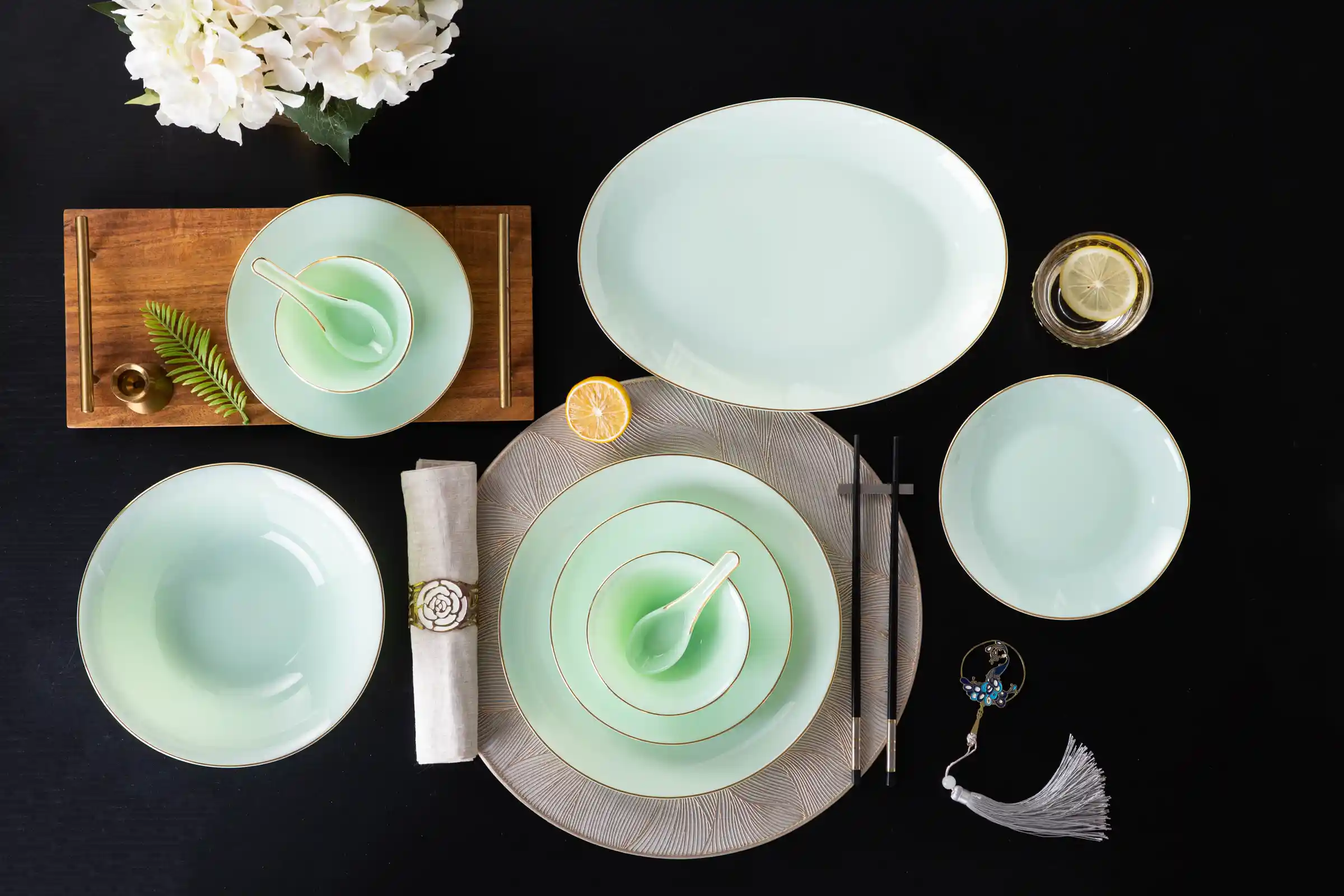
For product development, the takeaway is clear: white covers the base. But adding soft colors — pink, blue, green, amber — is where the growth is. Our jade glass dinnerware collection is one of the fastest-growing color families right now if you want to see what’s available.
Will the Milk Glass Dinnerware Trend Last — or Is It Just a Fad?
Nobody can guarantee where any trend goes. But the structural foundation behind this one — the milk glass trend 2026 is revealing — looks stronger than any previous cycle.
Five reasons:
- It’s functional. People are using it daily, not just displaying it. Utility-driven demand lasts longer than aesthetic-only interest.
- It fits almost any style. Farmhouse, minimalist, cottagecore, eclectic — milk glass doesn’t clash with any of them. When one style fades, milk glass doesn’t get dragged down with it.
- It’s affordable to start. Vintage or new, milk glass plates and bowls don’t cost a lot. Low barrier keeps new buyers coming in.
- It’s photogenic by nature. As long as people keep sharing table photos, milk glass keeps getting seen.
- A new generation is just arriving. Millennials and Gen Z are discovering this category for the first time. The cycle is nowhere near its peak.
One experienced Reddit collector added useful perspective: “I think the real resurgence is still a few years away. Online supply is still fairly plentiful, and millennials are very early in their collecting journey.” That suggests we’re in the early-to-mid phase of a longer wave — not at the top.
So — is milk glass making a comeback? Yes. And it’s not a flash in the pan. It has practical roots, broad style appeal, and fresh buyers still entering. The milk glass dinnerware trend is still on the way up.