
This article is for buyers who are already choosing products. You may have seen what Thailand-style opal glassware looks like. You may also be interested in the jade color direction. Now the key question is simple: how do you source Thailand-inspired jade-colored opal glassware from Jointion, a China dinnerware manufacturer?
Below, we explain the process in three parts. First, we clarify what “Thailand-style jade color” means in Jointion’s product line. Then, we explain why more buyers are placing jade-color orders with Jointion. Finally, we walk through the practical steps from inquiry to sample delivery.
What “Thailand-Style Jade Color” Means in Jointion’s Product Line
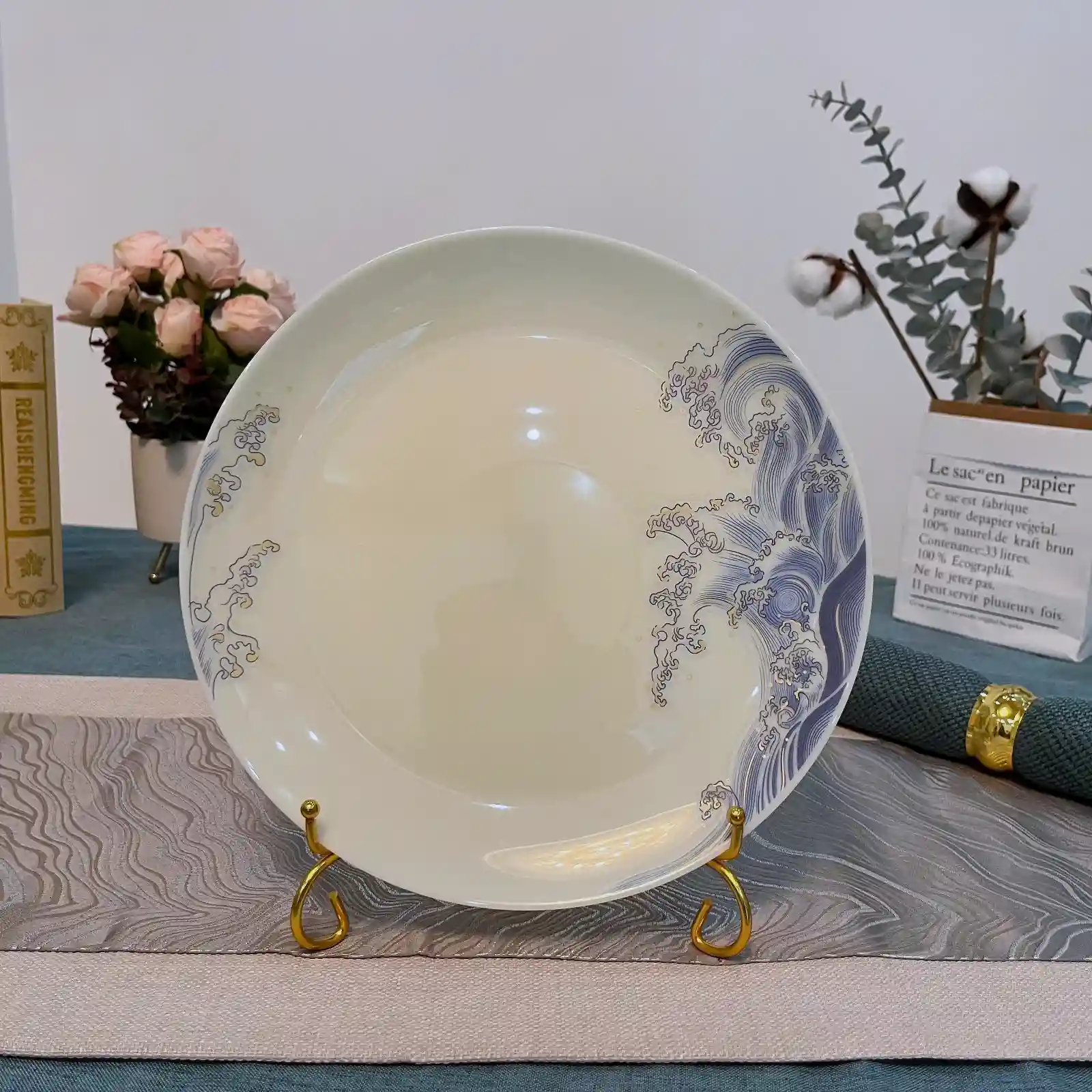
In Jointion’s product line, “Thailand-style jade color” usually means one clear combination: a jade-green opal glass base, gold-rim electroplating, and warm-toned floral decals.
When these three elements are used together, they create the look that many buyers recognize as Thai-style tableware. The difference is the base color. Instead of TSG’s classic pure white base, the product uses a jade-colored opal glass base.
Below, we explain how each element looks on a jade base. We also show how these options match Jointion’s existing product directions.
Gold Rim, Floral Decals, and Jade Base: How They Create the Thailand Style
The Thailand-style look in opal glassware comes from the layering of three visual elements. Each element is not rare on its own. But when they appear together, the Thai-style feeling becomes clear.
The first element is the gold rim. This is the most recognizable part of Thailand-style opal glassware. TSG has used gold-rim electroplating since the 1980s. The process adds a thin gold-colored line around the rim of opal glass plates and bowls. The line is usually only 1–2 mm wide.
That small gold line changes the whole feel of the product. It takes the tableware from “everyday use” to “gift-grade.” In South Asian and Middle Eastern markets, many consumers see gold-rimmed opal glass and quickly connect it with Thai-made products.
A gold rim looks different on a jade base than it does on a white base. On white, the gold line feels sharp and formal. On jade, it looks softer and more lustrous. The effect is closer to natural jade paired with gold.
When we made Eid gift set samples for a Middle Eastern client, we produced two versions at the same time. One used a white base with a gold rim. The other used a jade base with a gold rim. The client’s direct feedback was that the jade-base gold-rim version “looks more expensive.” In the end, he switched the full Eid gift set order to the jade base.
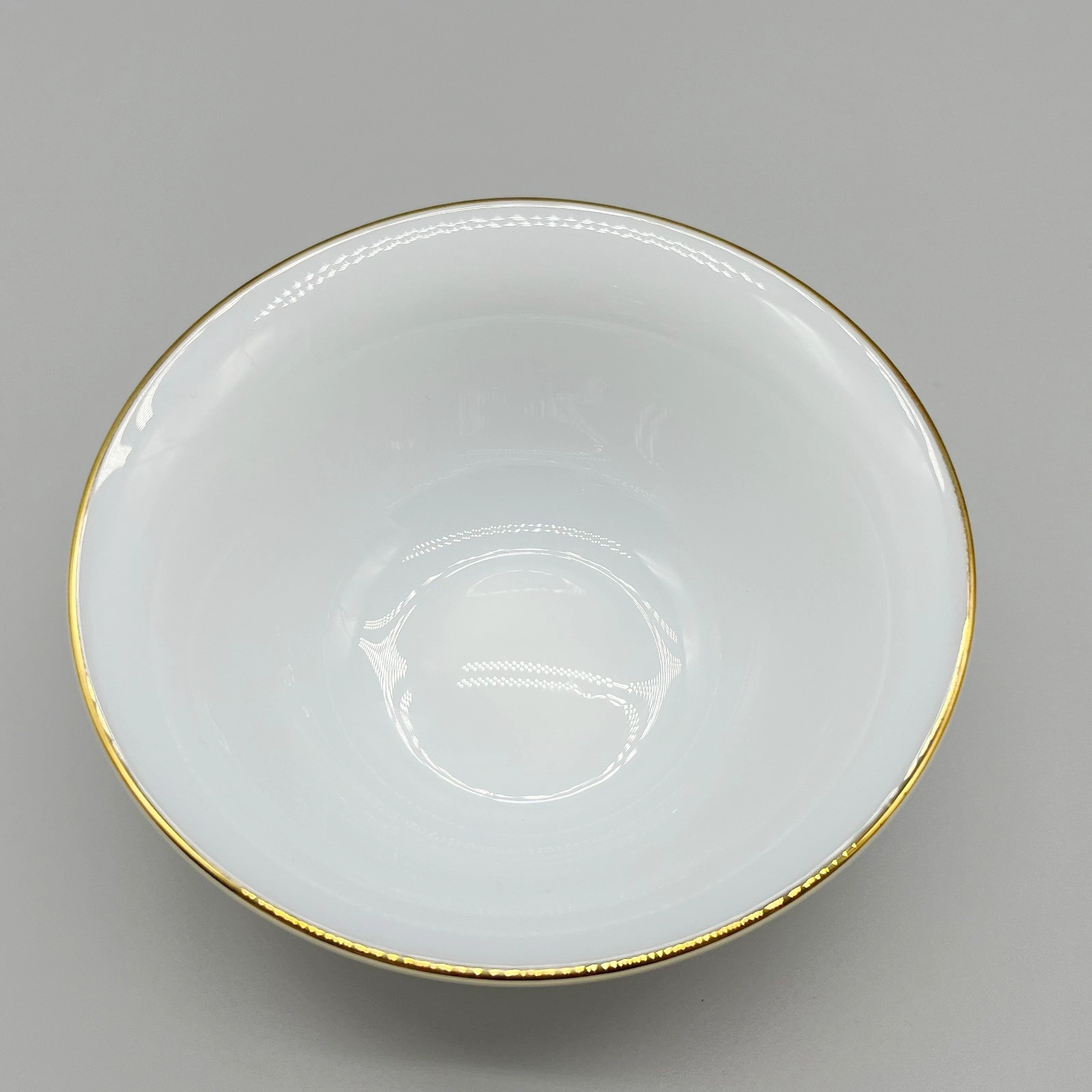
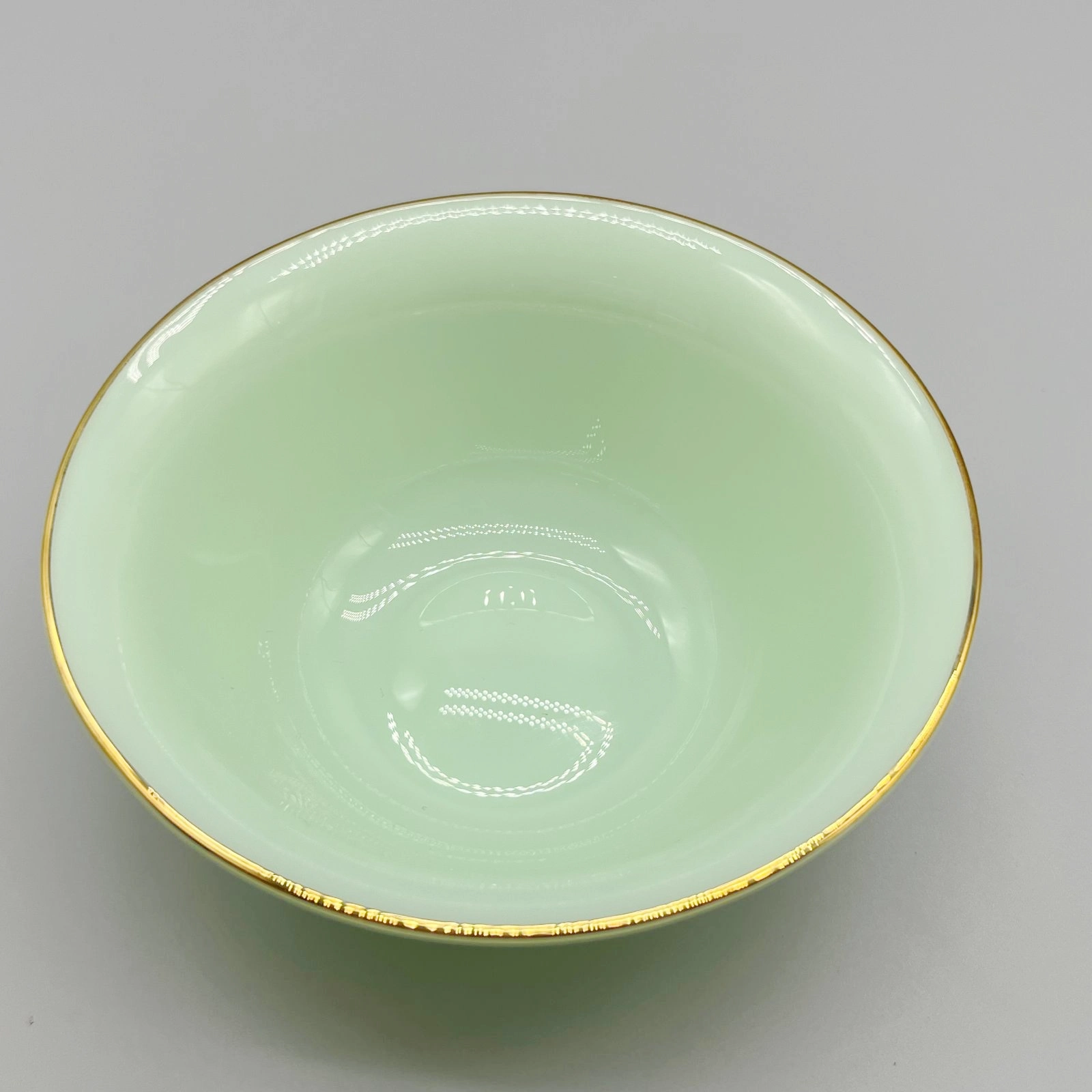
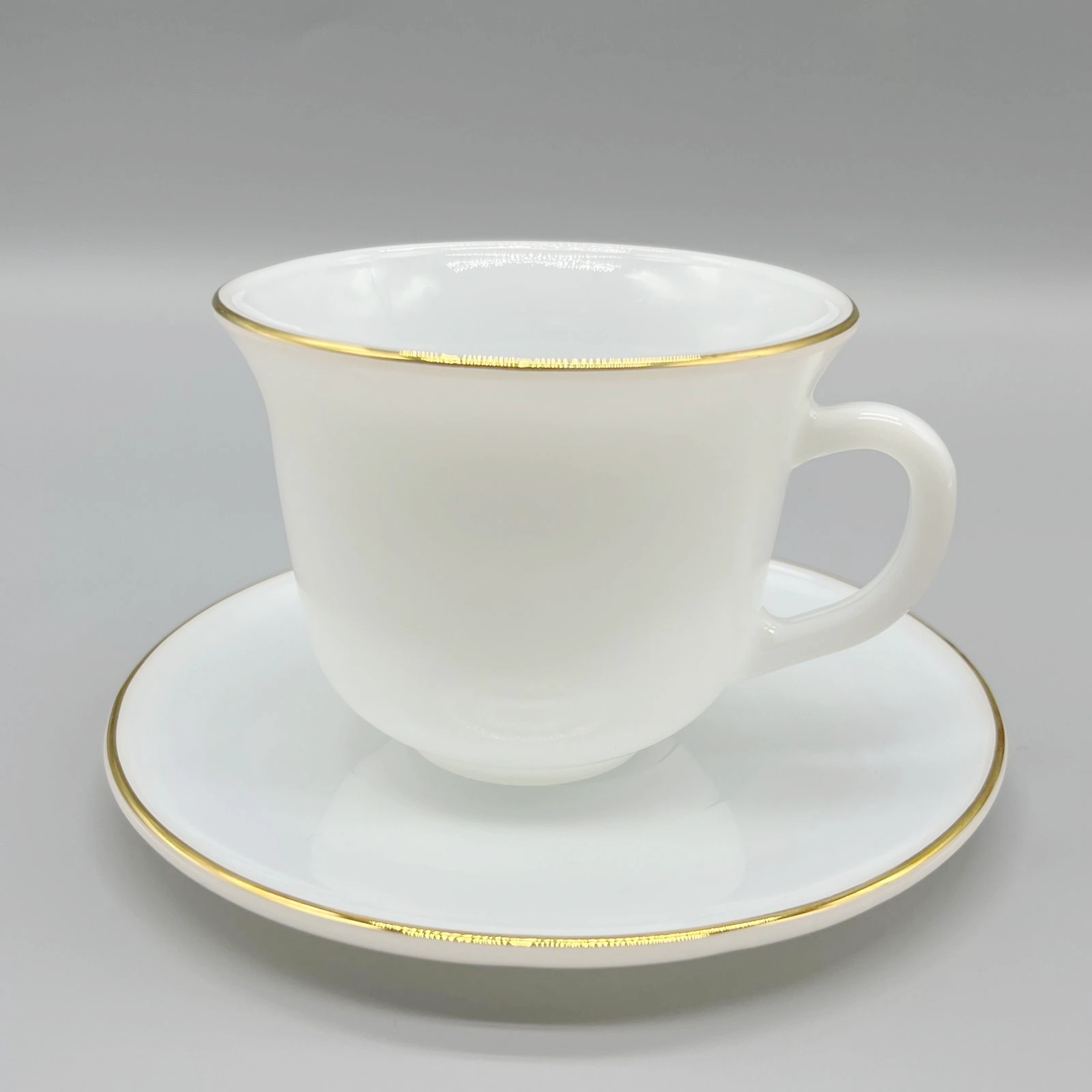
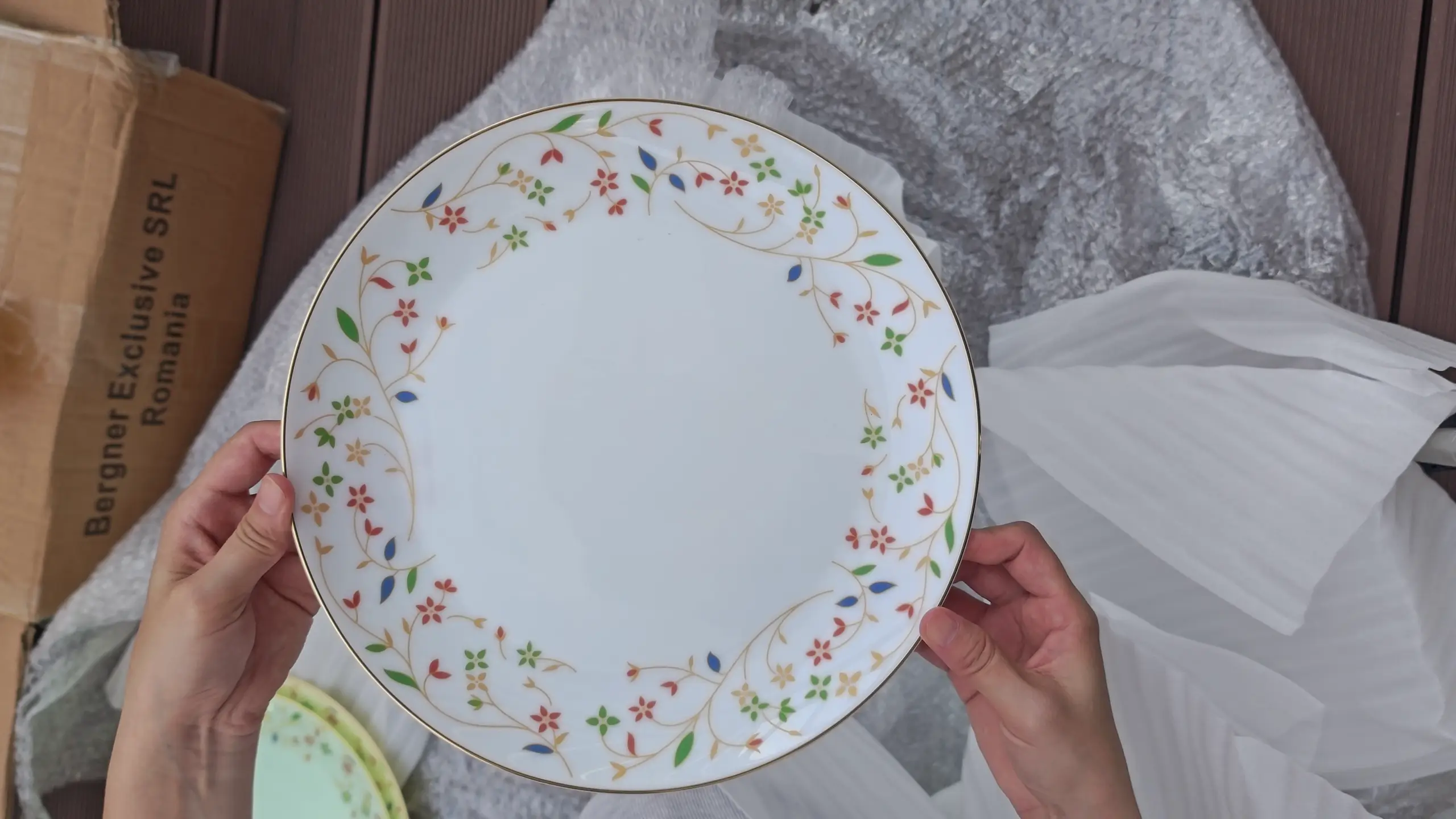
The second element is floral decals. Thailand-style decals usually follow a classic look. The flowers have full petals, rounded lines, and warm colors. This is not Nordic minimalist geometry. It is also not the strong contrast of Chinese blue-and-white porcelain.
The typical combination is warm-toned floral patterns on the base color, finished with a gold rim around the edge.
This floral style creates a very different result on jade compared with white. On a white base, warm florals look like “patterns on a background.” The contrast is clear. On a jade base, the flowers and the base share a similar warm tone. The overall look becomes more blended, calm, and complete.
If your target customers prefer a warm but restrained style, this combination is worth considering. This is especially true for gift markets in South Asia and the Middle East. For these markets, a jade base with warm florals and a Thailand-style gold rim can feel more attractive than the classic white-base version.
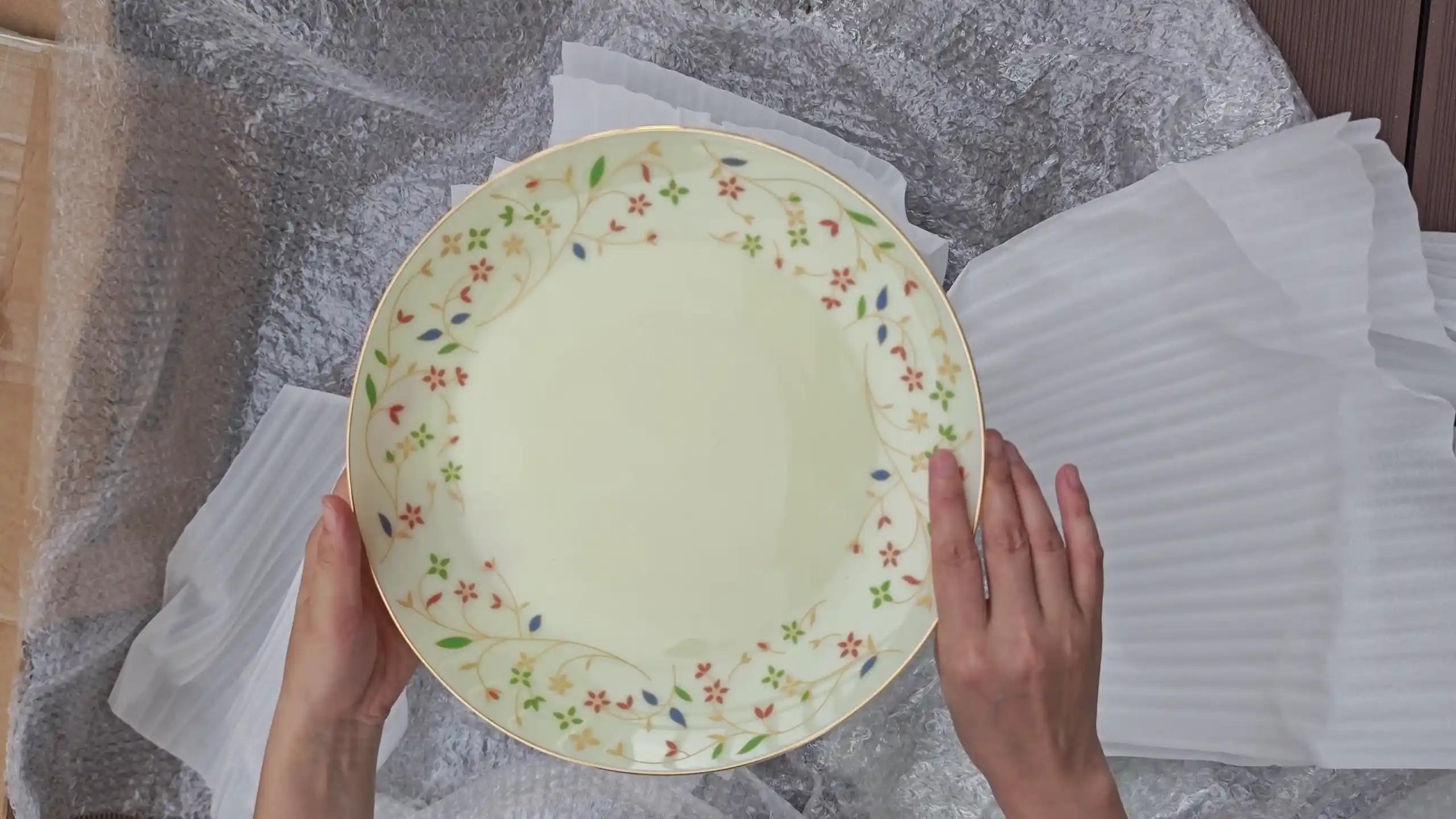
The third element is the jade base color itself. This is what turns the classic Thailand style into something more differentiated.
TSG’s main product line focuses on pure white opal glass. Jade is not its core direction. When buyers choose Jointion for jade-base Thailand-style products, they are creating differentiation through the base color. The style is still familiar to the market. End consumers do not need to learn what “Thailand style” means again. They only need to feel that the jade version looks better than the plain white one.
This article does not go deep into why Jointion’s jade color does not fade or how batch color consistency is controlled. Those points relate to the jade glass material and production process. If you want to compare formula-level coloring with surface spray coating during product selection, you can read this guide: Jade Glass Coloring Process and Batch Consistency Comparison.
Here is how the three elements match Jointion’s product line:
| Thailand-Style Combination | Corresponding Jointion Product Direction | Most Typical Use Scenario |
|---|---|---|
| Jade base + gold rim | Jade-colored plates, bowls, cup-and-saucer sets, oval fish plates, and full dinner sets with gold-rim electroplating | Festive gift sets for South Asia and the Middle East, including Eid, Christmas, and New Year gift sets |
| Jade base + warm-toned floral decals | Jade-colored plates, bowls, and cups using existing warm floral patterns or custom designs | Differentiated SKUs for everyday retail channels |
| Jade base + gold rim + floral decals | Dual-decoration products with a gold rim as the border and florals in the center or along the edge | Premium gift sets and branded custom series |
| Plain jade base, no decoration | Jade-colored blanks without decoration | Private-label buyers looking for a simple style |
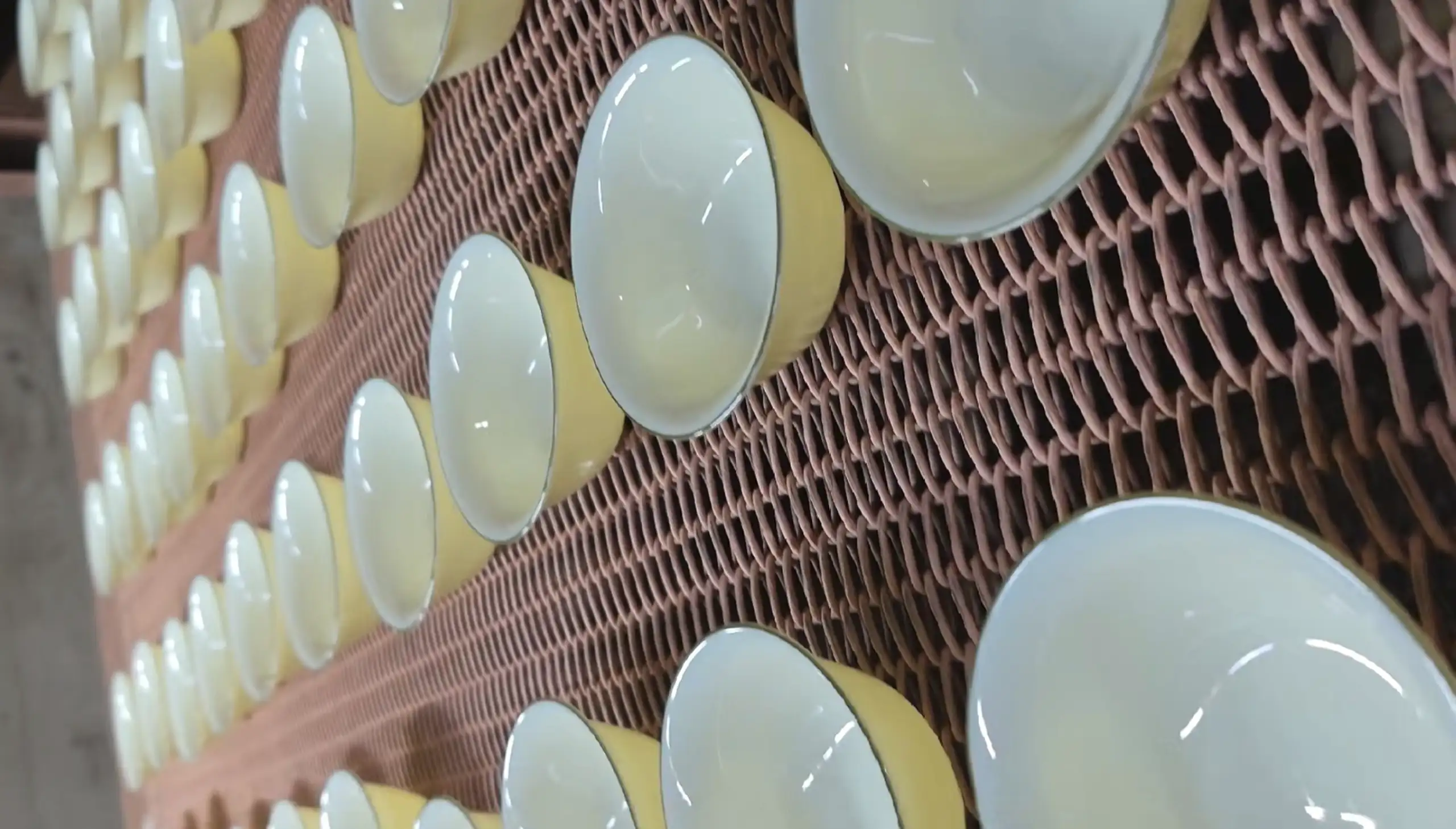
If you’d like a clearer visual after reviewing the images, you can also check out the video below — a set of samples we filmed before shipping to Thailand.
It keeps the consumer’s existing understanding: “gold rim = premium feel.” At the same time, the jade base adds visual difference. You do not need to re-educate the market. You only need the product to look one level higher.
Why More Buyers Source Thailand-Style Opal Tableware from Jointion
More buyers are looking at Jointion for Thailand-style opal tableware for one clear reason: the market is asking for more variation within a familiar style.
Classic Thailand-style opal glassware is already well recognized in many markets. The typical look is a white opal glass base, a gold rim, and warm floral decals. This style is especially familiar in South Asia, the Middle East, and festive gift channels.
But some buyers now want something slightly different. They do not want to replace the Thailand-style look. They want to keep the same visual language, but make the product feel newer and more distinctive.
This is where jade-colored opal glass becomes useful. It keeps the gold rim and floral decoration that consumers already understand. At the same time, the jade base gives the product a more differentiated look than the classic white version.
Buyers Are Not Replacing the Thailand Style. They Are Looking for a Jade-Color Version
For many buyers, the goal is not to move away from Thailand-style tableware. The goal is to create a fresh version of it.
A white base with a gold rim feels classic and familiar. A jade base with a gold rim feels more special and more gift-oriented. The style is still easy for consumers to understand, but the shelf effect is different.
This matters in retail and gift channels. Buyers often need products that feel familiar enough to sell, but different enough to stand out from existing SKUs.
That is why the combination of jade base, gold rim, and floral decals has become attractive. It does not ask the market to learn a new style. It simply gives an existing style a new color direction.
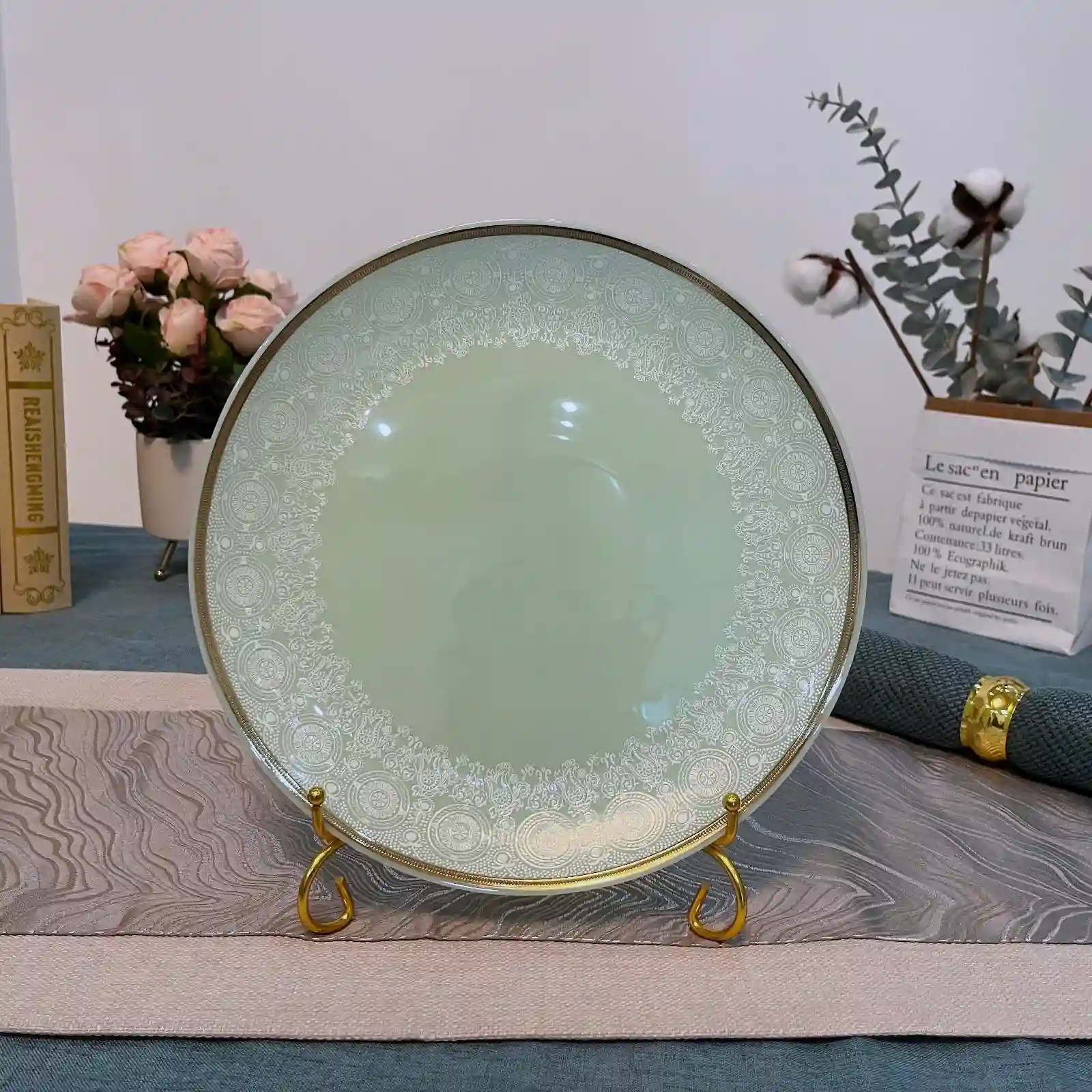
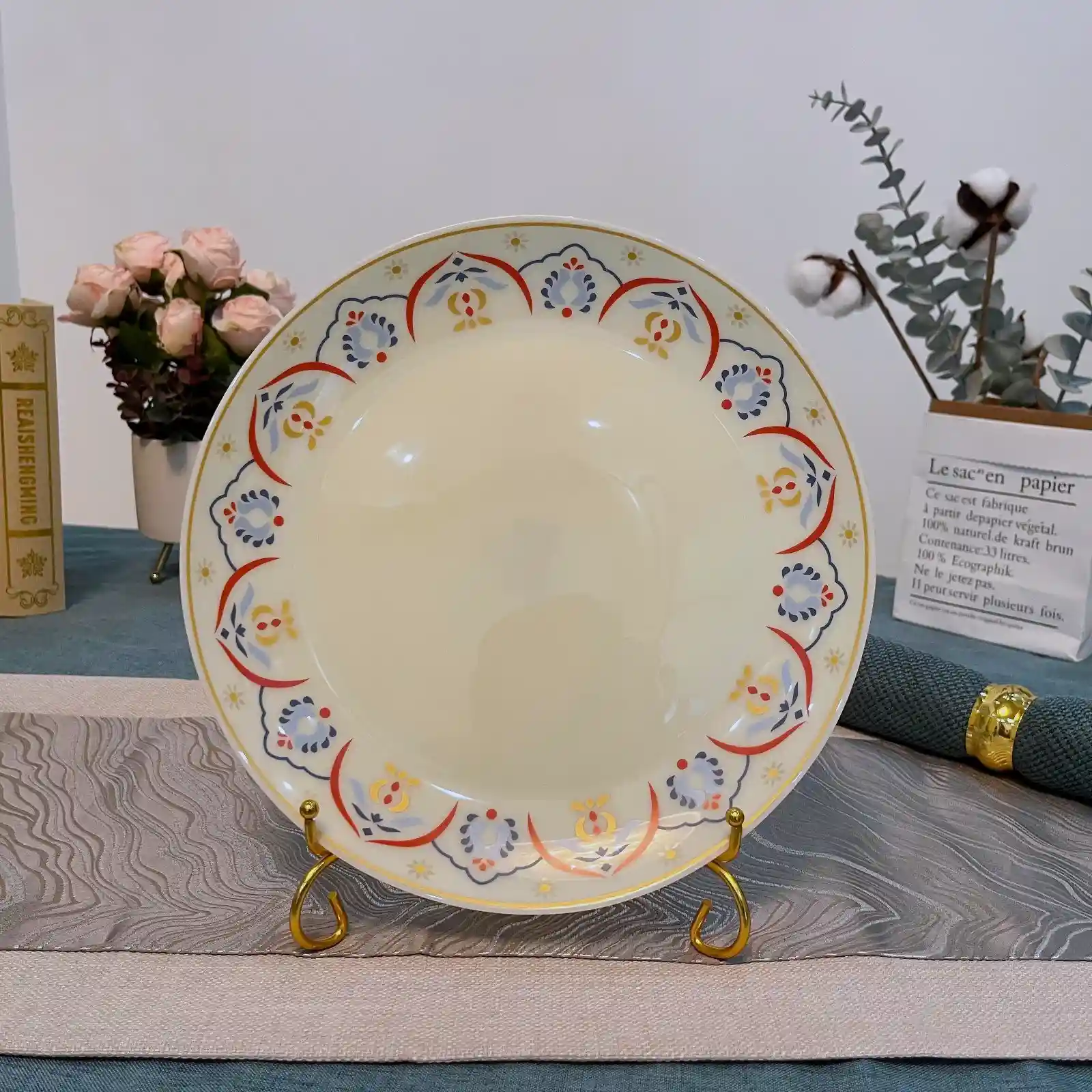
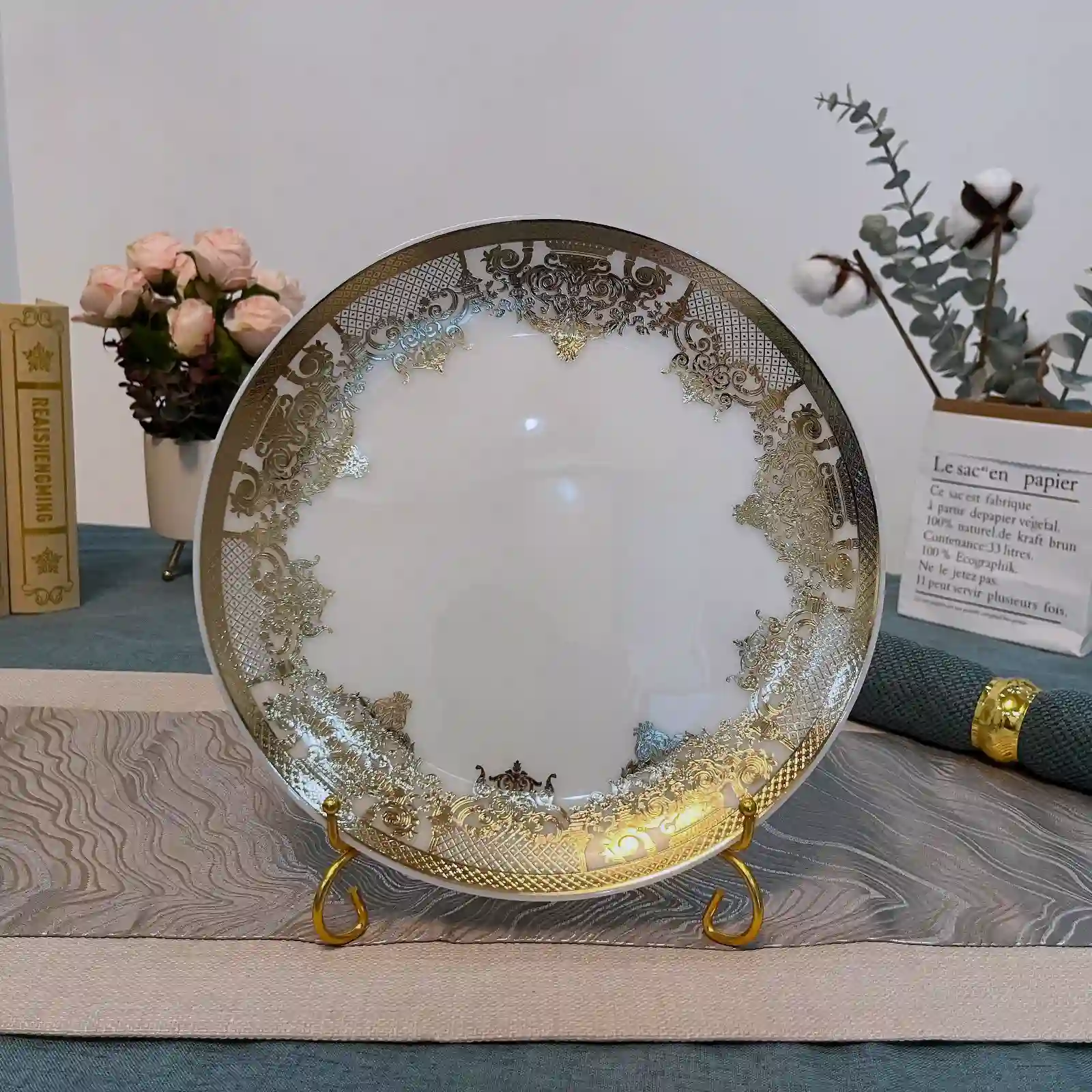
Jointion Fits This Direction Because Jade Is Already a Developed Product Line
Jointion is not being chosen because traditional Thai suppliers are weak. The reason is more specific: jade-colored opal glassware is already one of Jointion’s developed product directions.
Jointion has a dedicated jade-color formula system, more than 200 jade-colored shape molds, and existing experience applying gold rims and floral decals on jade bases.
This matters because Thailand-style jade products are not only about changing the color. A buyer may need plates, bowls, cups, saucers, oval fish plates, and full dinner sets in the same jade shade. The gold rim also needs to match the shape. The floral decals need to look balanced on a colored base, not only on white.
When these parts already exist in the product system, the order is easier to develop. Buyers can choose from existing shapes and decoration options instead of starting everything from zero.
More Existing SKUs Make Product Selection Easier
For buyers, SKU depth is not just about having more choices. It affects how fast a product plan can become a real order.
If the target product is a jade-base gold-rim plate, the buyer may also need matching bowls, cups, saucers, and serving plates. If these shapes already exist, the set can be built more quickly.
If every shape needs to be checked, adjusted, or newly developed, the project becomes slower and more uncertain.
This is why Jointion’s jade-colored product range is useful for Thailand-style sourcing. It gives buyers more room to build a complete set, not just one single item.
Sampling Is Faster When Coloring, Decals, and Gold Rim Can Be Coordinated Together
Thailand-style jade tableware usually involves several processes in one product. A typical gift set may include a jade base, floral decals, and gold-rim electroplating.
Each process has to match the others. The jade shade needs to be stable. The decal colors need to look right on the jade base. The gold rim needs to be even and clean.
Jointion is located in the Chaozhou production area, where suppliers for decals, electroplating, and tableware decoration are relatively concentrated. This helps shorten communication and coordination time during sampling.
For many Thailand-style jade gift set projects, the process from reference image to sample production can usually be completed in about 15 days. The exact timing still depends on the shape, pattern complexity, and whether custom artwork or new molds are required.
Peak-Season Orders Need More Production Flexibility
Thailand-style opal tableware often sells strongly before Eid, Christmas, and New Year. These periods create pressure on factory schedules.
During peak season, relying on only one supply source can make delivery planning less flexible. If one factory’s schedule is already full, the buyer may have limited room to adjust.
For jade-colored Thailand-style products, Jointion can work as an additional mature supply option. This gives buyers more flexibility when planning festive gift sets or seasonal retail programs.
This does not mean buyers need to stop working with their existing Thai suppliers. It simply gives them another option for the jade-color category, especially when they need more SKUs, faster sampling, or better scheduling flexibility.
The Main Point: Jointion Is a Good Fit for the Jade-Color Subcategory
In short, the Thailand-style direction has not changed. The change is that buyers now want more color options inside that style.
For classic white-base Thailand-style opal glassware, traditional Thai suppliers still have strong market recognition. For jade-base products with gold rims and floral decals, Jointion offers a product line that is already better aligned with this specific need.
That is the real reason more buyers are sourcing this type of Thailand-style opal tableware from Jointion. It is not about replacing one supplier with another. It is about finding the right supplier for the right product direction.
How to Source Thailand-Style Jade-Colored Tableware from Jointion
Once the product direction is clear, the next question is practical: how do you move forward?
From the first inquiry email to receiving jade-colored Thailand-style samples, the process is straightforward. The key is to provide the right information early.
Step One: Tell Jointion Clearly What Kind of Thailand Style You Want
Many buyers underestimate this step. “I want Thailand-style jade-colored tableware” may be clear to you. But the factory needs more specific details before it can start sampling.
The more precise your request is, the fewer revisions you will need.
The most effective method is to combine reference samples with written descriptions. The checklist below comes from real order communication. If you include this information in your first inquiry, you can usually move into sampling after one round of discussion.
| What You Need to Provide | How to Prepare It for Thailand-Style Jade Color |
|---|---|
| Visual reference | The most direct method is to use a TSG product as a benchmark. If you have one, take photos or send the physical item. If not, find images of Thailand-style opal glassware and mark them clearly. For example: “Change the base color to jade and keep the rest of the style similar.” |
| Jade shade preference | Jointion’s jade color has several ranges. It can lean white-translucent, light green, or warm yellow-green. You can state your preferred direction. You can also ask Jointion to send a color card for selection. |
| Decoration process | The most common Thailand-style combinations are gold rim only, gold rim with floral decals, or floral decals only. Choose one of the three. Or ask Jointion to produce one sample of each for comparison. |
| Pattern direction | If you choose floral decals, confirm the pattern source. You can use warm-toned florals from Jointion’s existing pattern library, which does not require a plate-making fee. Or you can provide your own artwork for a custom design. |
| Set configuration | Do not only say “I want a dinner set.” Be specific. For example: “Match TSG’s classic 6-person set configuration: 10-inch dinner plates × 6, 8-inch shallow bowls × 6, and cup-and-saucer sets × 6, with jade base and gold rim.” |
| Quantity estimate | State the approximate first-order quantity. Jointion’s jade-colored Thailand-style products usually start from 200–500 sets for a first order, depending on the style. Sharing the quantity early helps confirm whether any configuration changes are needed to meet the MOQ. |
If you are not sure which jade shade to choose, this guide can help: Jade Tableware Color Range and Real-Photo Guide. It shows how different shades look under different lighting conditions. This can help you decide the direction before sending an inquiry.
One point is especially important. If you are currently selling TSG’s white-base gold-rim products and want Jointion to make a jade-base gold-rim version as an “upgraded version,” send a TSG product as the benchmark if possible.
You can tell Jointion: “Match this level of gold-rim precision. Keep the overall quality no lower than this standard. Change the base color to jade.”
In several similar requests we have handled, the first-round sampling match rate was clearly higher when clients sent a TSG benchmark sample. It worked better than sending reference images only. With a physical sample, the factory can measure the gold-rim width with calipers. It can also compare whiteness with color cards instead of guessing from written descriptions.
From Inquiry to Samples: How Jointion Moves the Process Forward
After your requirements arrive, a Thailand-style jade-colored product usually goes through four milestones before the sample reaches you.
At each stage, jade-colored Thailand-style orders are slightly different from standard white-color orders. Here is what you can expect.
Step one: specification confirmation and quotation, usually 3–5 business days. The sales team first checks whether the jade-colored shapes you selected already have existing molds.
Jointion has more than 200 jade-colored molds. Standard plates, bowls, cups, saucers, and oval plates are generally covered.
If your Thailand-style set configuration fully matches existing molds, you will receive a direct quote. If one shape requires a new mold, the mold fee and lead time will be listed separately.
The decoration plan is confirmed at the same time. This includes gold-rim width and whether the floral decals use existing patterns or custom artwork. Once all details are confirmed, a PI, or proforma invoice, is issued.
Step two: sampling, usually about 15 days. This is the most important stage for jade-colored Thailand-style orders.
After the samples are produced, Jointion will photograph the jade sample beside your benchmark reference. The reference can be a TSG product or an image you provided. The comparison photos are then sent to you for approval.
You should focus on three things. First, check whether the jade shade matches your selected direction. Second, check whether the gold-rim electroplating is even and has no broken lines. Third, check whether the floral decal colors look right on the jade base.
If you did not provide a physical benchmark sample, it is better to ask Jointion to send a plain jade-colored sample chip as well. This helps you compare the screen color with the real product.
Step three: sample approval and first order placement. Once the sample is approved, you sign the formal purchase contract and pay the deposit, which is typically 30%.
The factory then schedules production. If this is your first time ordering a jade colored opal glass dinner set, this is also the right stage to confirm packaging specifications and shipping marks.
Step four: bulk production, inspection, and shipment. You can arrange a third-party inspection or conduct your own inspection.
The key items to check are jade-color batch consistency and gold-rim adhesion. After the inspection passes, the balance payment is made and shipment is arranged.
Here is the general timeline:
| Milestone | Timeline | Special Notes for Jade-Colored Thailand-Style Orders |
|---|---|---|
| Requirement confirmation + quotation | 3–5 business days | Confirm three points: jade shade range, gold-rim width, and floral pattern |
| Sampling | About 15 days | Ask for side-by-side comparison photos of the jade sample and your benchmark reference |
| Production + shipment | 40–60 business days | Orders combining jade color, gold rim, and decals usually fall closer to the longer end of the production cycle |
| Total process | About 2.5–3.5 months | If you are targeting Eid or Christmas peak season, start your inquiry at least 4 months in advance |
One final timing reminder: Thailand-style opal tableware has concentrated sales through festive gift channels. Pre-Eid and pre-Christmas are the two main peak periods.
Three to four months before these periods, factory production schedules become much tighter. If your jade-colored Thailand-style gift set needs to arrive in time for these dates, starting your inquiry now is safer than waiting.
Missing the production window is not only about paying more. It can push back the full delivery timeline. In the worst case, you may miss your shelf date.
If you have already decided on the Thailand-style jade-color direction, you can browse the Jointion Jade Glass Full Product Range. You can filter by shape and decoration type to find specific models. Bringing model numbers into your inquiry will make communication much faster.
Common Questions People Ask
Q1: Will the gold rim on a jade base lose its color after repeated washing? My customers are in the restaurant channel, and dishwasher usage is very frequent.
Jointion’s jade-colored products have passed 2,000-cycle commercial dishwasher testing. During the test, the gold rim showed no fading, peeling, or broken lines.
The key is the gold-rim process. Jointion uses electroplating instead of gold paper application. This gives the metal layer a different level of bonding strength with the glass surface.
There is one point to note. If your client uses strongly alkaline commercial detergent with pH > 12, tell Jointion the detergent brand during the sampling stage. The factory can then run targeted alkali-resistance testing before producing the sample.
Q2: I want to mix jade-colored and white Thailand-style products in the same container. Can Jointion handle that?
Yes. Mixed-container loading is a standard operation.
Jade and white products can be arranged in the same shipping container. They can also be handled under the same order and logistics batch.
The only thing that needs to be confirmed in advance is the set configuration and quantity ratio between the two colors. For example, you may choose 60% jade gift sets and 40% white dinner sets.
Write the allocation plan clearly when placing the order. The factory will schedule production and packaging based on that ratio. You do not need to place two separate purchases.
Q3: My current order volume is not large. I only want to try 100 sets of jade-colored Thailand-style gift sets for the first order. Can that be done?
Jointion’s MOQ for jade-colored Thailand-style products is usually 200–500 sets for a first order. So 100 sets is normally below the standard threshold.
There may be a workaround. If you choose an existing jade-colored shape from Jointion’s product line and use patterns from the existing design library, there is no need for custom decals or new molds.
In that case, you can discuss with the sales team whether your order can be merged into another client’s production run of the same style. This may sometimes lower the MOQ threshold.
If the style is fully customized, it is better to start first-order negotiations from 200 sets. This usually gives you a more reasonable unit price and production schedule.