
This article first explains the two product categories commonly found in Thailand’s wholesale glass tableware market. It then compares their appearance, explains the search connection between Opal Glass and Thailand, and reviews the available plate, bowl, cup, and dinnerware set styles. The final section covers manufacturing sources in China, India, and France, helping wholesalers use the correct product name to screen factories and verify their product range and supply capabilities.
What two product categories are generally included in Thailand glass tableware wholesale?
The first category is clear glass tableware
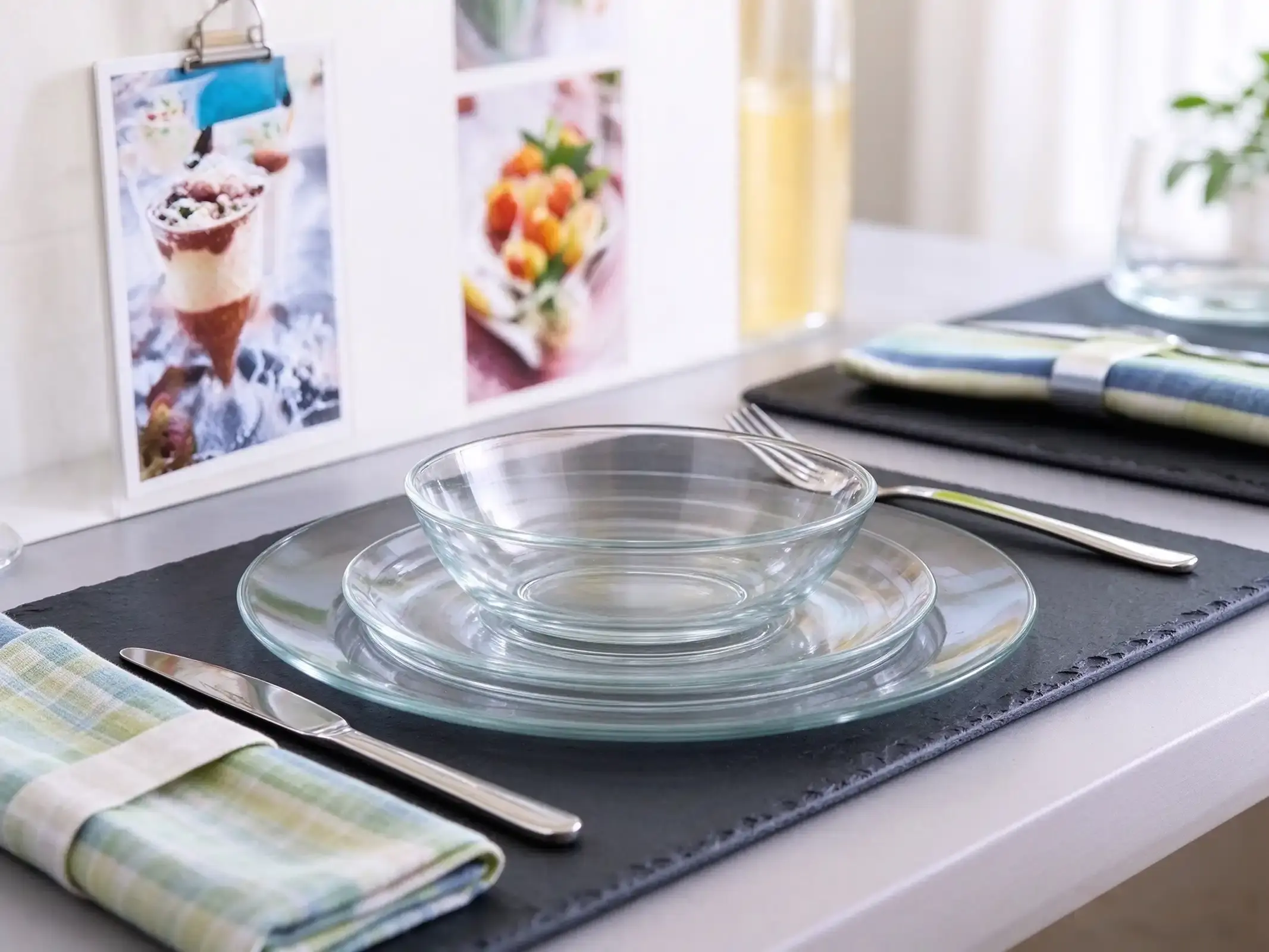
In a Thai glass tableware wholesale sourcing context, the most straightforward way to classify products is by their finished appearance. The first category is clear glass tableware. Light passes directly through it, so the tabletop, food, and objects behind the plate or cup wall remain clearly visible.
This category usually includes clear glass flat plates, deep plates, salad bowls, dessert bowls, drinking glasses, and stemware. Transparency is the most immediate identifying feature. Even within clear glass ranges, however, the glass color, thickness, wall construction, edge finish, and surface texture can vary from one collection to another. A wholesale inquiry should therefore include more than the general term glass tableware. Buyers should also provide product images, dimensions, and the intended use.
The second category is Opal Glass tableware
The second category is Opal Glass tableware. It commonly comes in white, milky white, or jade-like tones and is much less transparent than ordinary clear glass. Depending on the supplier or market, buyers may also encounter terms such as white glass, milk glass, or opalware. These names sometimes refer to similar products, but buyers should still confirm the material through actual product photos, material specifications, and samples before placing a formal inquiry.
Opal Glass is easily mistaken for ceramic tableware because it provides a solid, soft-colored background and has a surface appearance similar to white porcelain or bone china. The visual similarity does not make the materials identical. Opal Glass is produced by melting glass raw materials, followed by forming, annealing, and further processing into tableware. The official product information from Thai manufacturer Thai Soojung Glass also uses terms including Opal Glass tableware, White Glass, and Milk Glass, while showing plates, bowls, cups and saucers, and dinnerware sets.
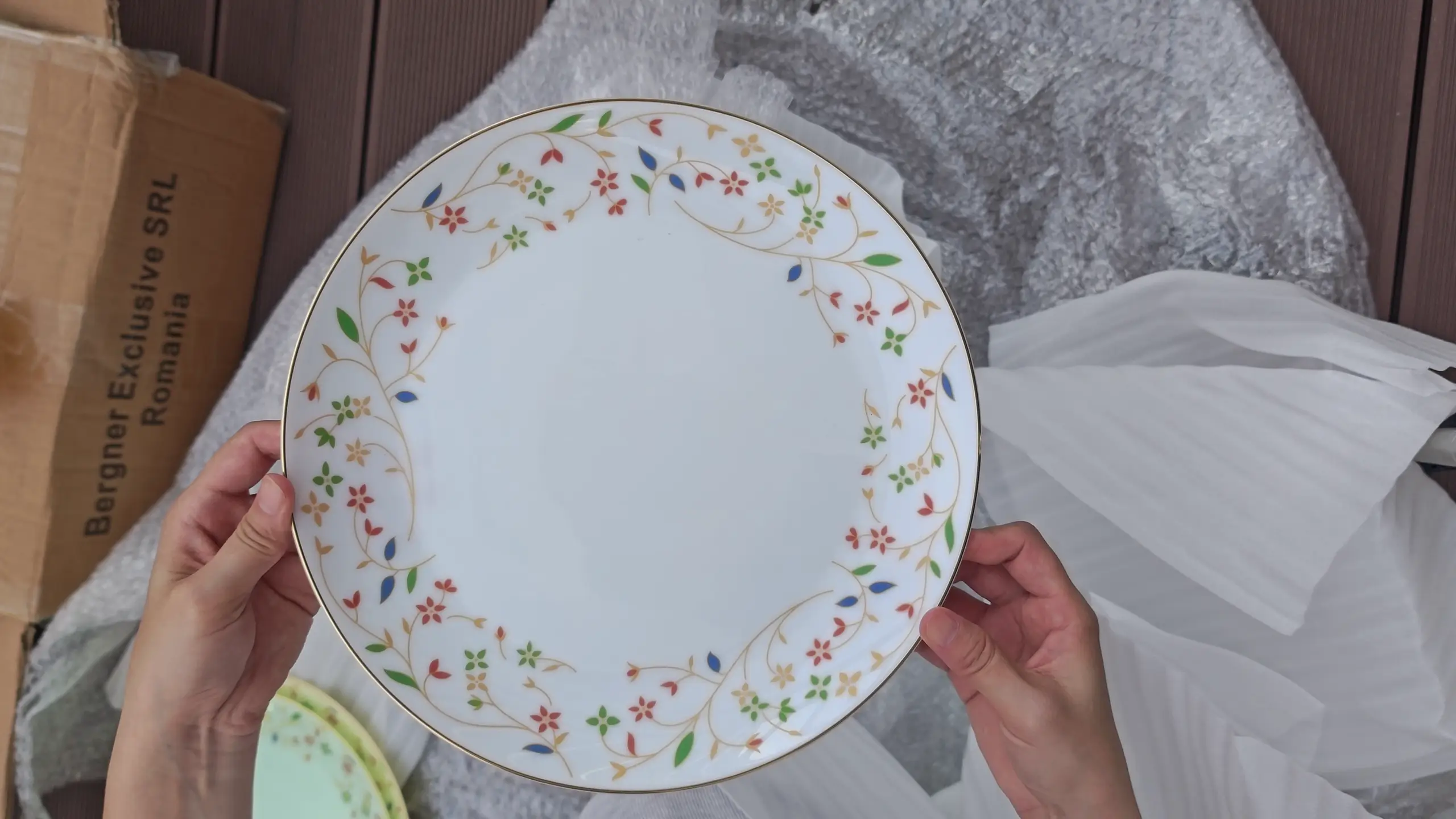
Buyers who only remember a white glass plate made in Thailand, or glass tableware that looks like ceramic, can therefore search for Opal Glass instead. The broader term glass tableware will bring more clear glass products into the search results.
What is the difference between clear glass tableware and Opal Glass tableware?
Clear glass is mainly fully transparent, while Opal Glass usually has jade-like translucency
The easiest difference to verify is how each material looks when light passes through it. Clear glass allows the viewer to see through the body of the item, and the tabletop pattern beneath a plate is usually easy to see. Opal Glass has a milky white, white-jade, green-jade, or other colored body that looks more like ceramic from the front. When light reaches the thinner rim of a plate or bowl, however, the edge may show a soft translucency. This is the jade-like quality that buyers often describe.
| Viewing position | Clear glass tableware | Opal Glass tableware |
|---|---|---|
| Viewed from the front | Objects and colors behind the tableware remain visible | The body has a solid color, and the background usually does not show through clearly |
| Rim viewed against light | Light passes through directly, with a clearly defined outline | The rim may transmit light softly and show a jade-like quality |
| Overall appearance | A typical glass appearance | An appearance similar to ceramic or bone china |
| Material classification | Glass tableware | Still classified as glass tableware |
Why are many wholesalers searching for Thailand glass tableware actually looking for Opal Glass?
Many buyers have seen the product but do not know the name Opal Glass
Wholesale sourcing often starts with recognizing a product, while the material name is confirmed later. A buyer may have seen a dinnerware set at a trade show, hotel, retail store, or in an existing supplier’s catalog and remember only that it was milky white, felt like glass, and looked like ceramic. Without recording the formal product name at the time, the buyer is unlikely to enter Opal Glass in a later search.
Jointion has encountered this situation in trade show and customer discussions. Buyers describe the product as white glass tableware that looks like ceramic. They may also know that similar products came through Thai supply channels, yet they cannot name Opal Glass. To identify the category they actually need, the discussion has to compare the buyer’s saved product photos, the way the plate rim looks against light, and any existing sample. This process shows that a naming gap can exist between the search phrase and the intended purchase. It does not mean that everyone searching for Thai glass tableware wants Opal Glass.
When buyers do not yet know the product name, they often build searches around the details they remember, such as:
- Thailand white glass dinnerware
- Thailand glass plates wholesale
- white glass tableware manufacturer Thailand
- ceramic-like glass dinnerware
These phrases may appear to describe ordinary Thai glass tableware, but their clues point toward a white, opaque product with a ceramic-like appearance. Connecting those visual descriptions with Opal Glass significantly narrows the supplier pool and reduces the time both sides spend repeatedly confirming the material.
Thailand is a well-known source of Opal Glass tableware, so searches for Thai glass tableware often lead to it
Some buyers remember the country of origin before they remember the product name. Thailand has representative manufacturers with a long history of displaying and supplying Opal Glass tableware. Over time, their product catalogs, trade show presence, and export business have strengthened the connection between Thai glass tableware and white Opal Glass. Even if buyers forget the product name, they may remember the supplier country where they first saw it and search backward from Thailand glass dinnerware wholesale to find a similar product.
Thai Soojung Glass is one example. Its website clearly presents Thailand-made Opal Glass tableware and displays White Glass, Milk Glass, plates, bowls, cups and saucers, and sets. Public catalogs like this create a direct search association. When users enter terms related to Thailand and glass tableware, search engines may naturally return Opal Glass product pages.
What styles of Opal Glass tableware are available?
Plates include flat plates, deep plates, and compartment plates
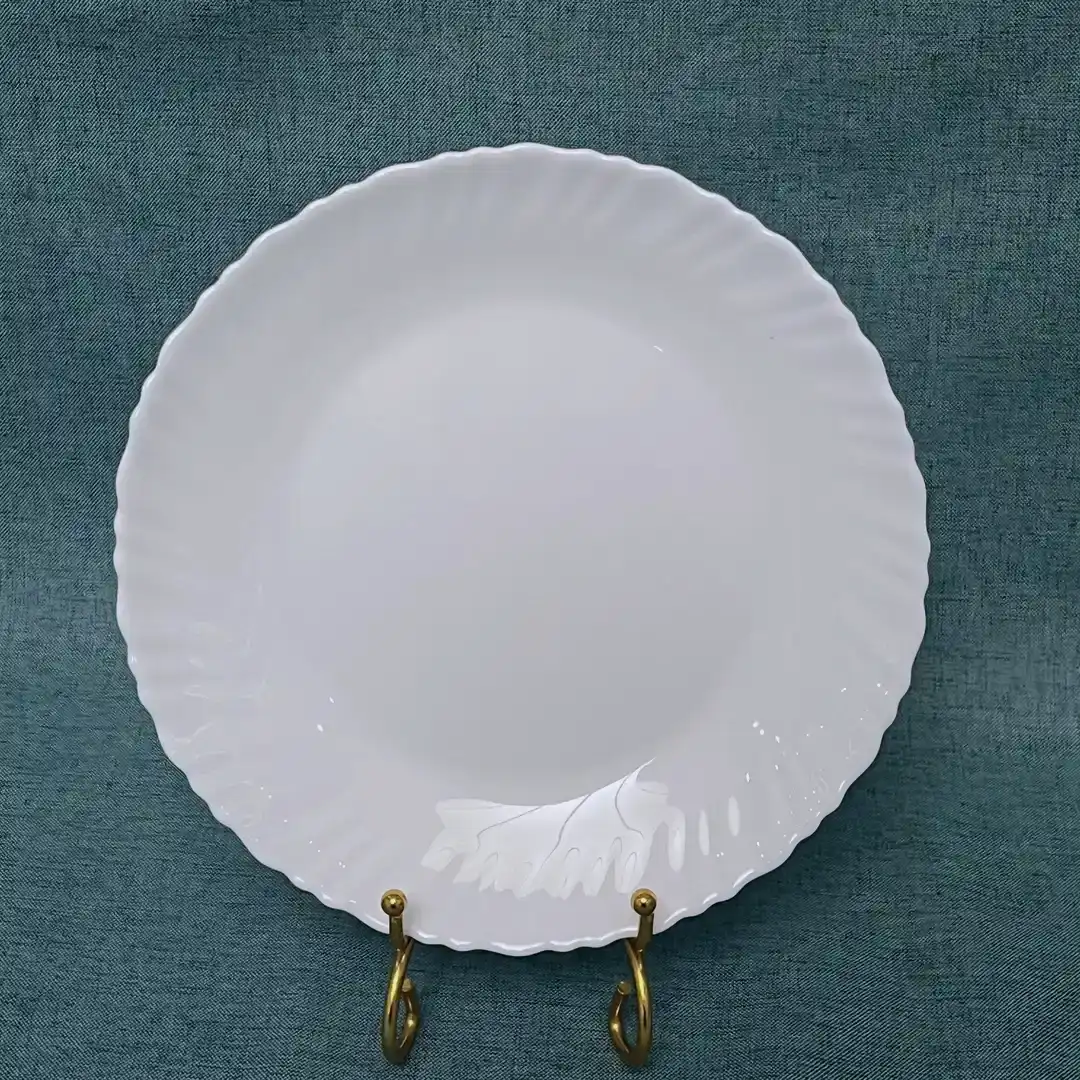
The Opal Glass plate category extends beyond a single white round plate. Wholesale catalogs generally classify plates by their surface structure into flat plates, deep plates, and compartment plates. Each structure serves a different dining purpose.
- Flat plates: These have a relatively flat surface and are commonly used for main courses, breakfast, snacks, and side dishes served with a meal. Buyers should focus on the diameter, rim width, and usable serving area.
- Deep plates: These have a deeper center that can hold dishes with sauce or broth, pasta, or stews. Buyers need to confirm both the diameter and the plate depth or capacity.
Bowls include rice bowls, soup bowls, and salad bowls
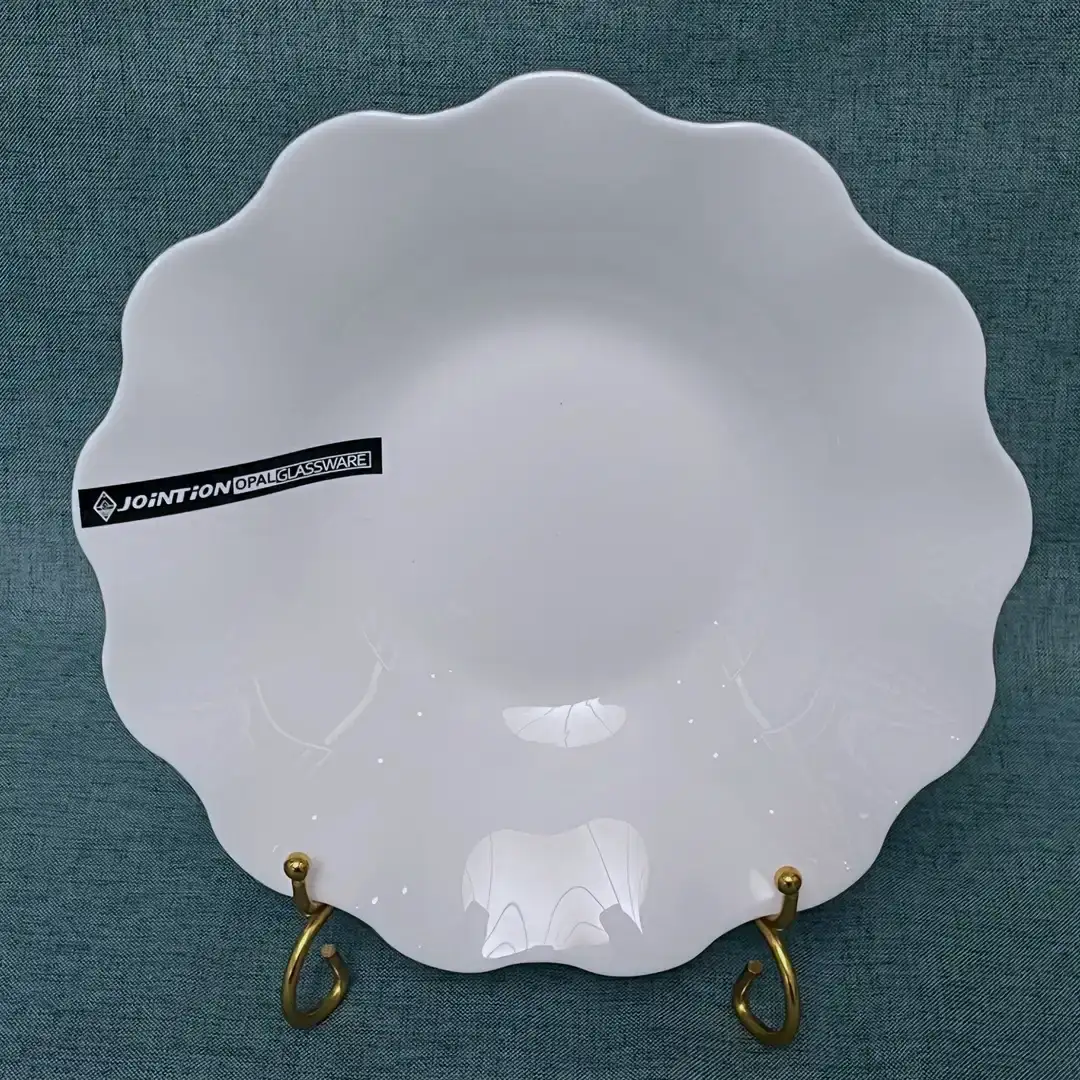
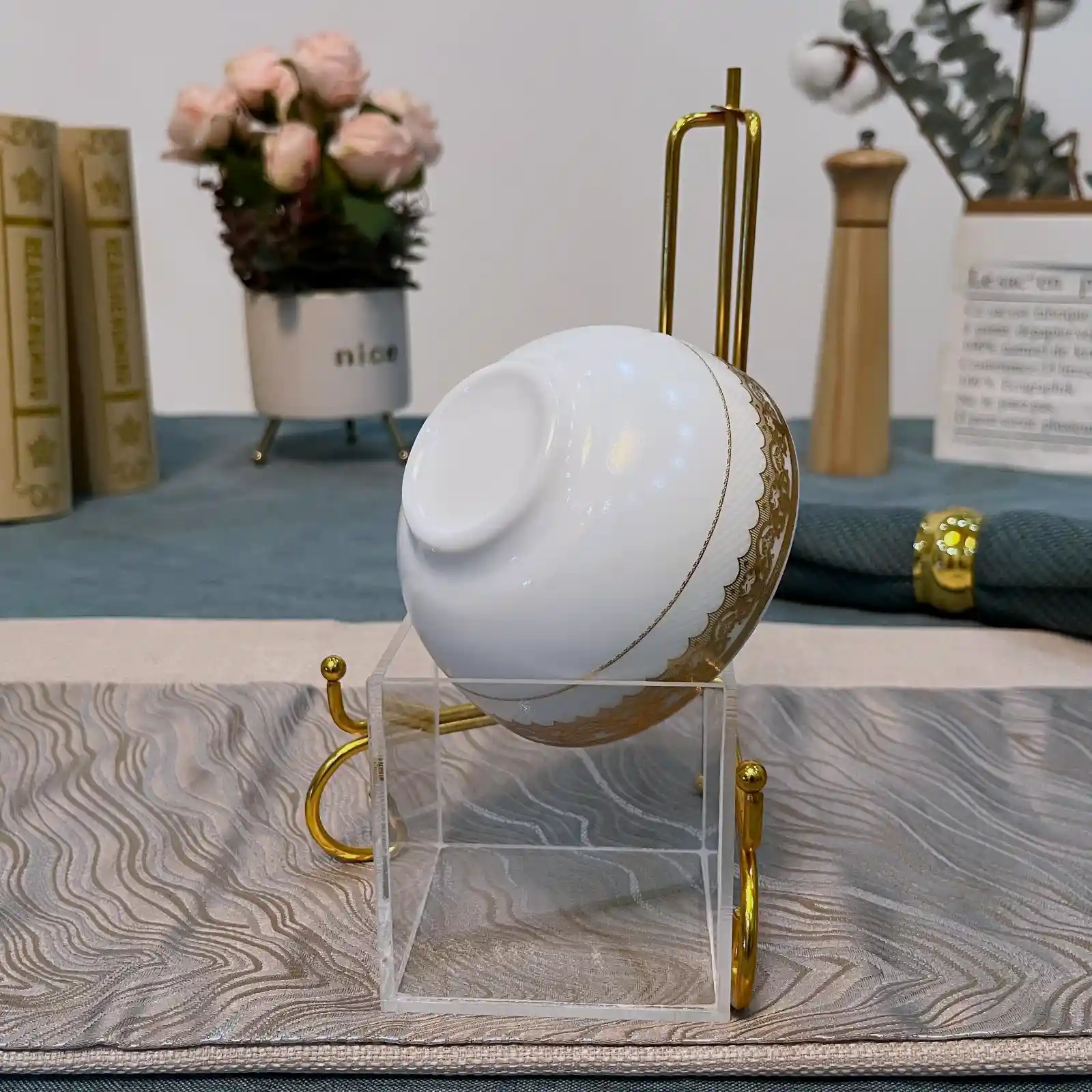
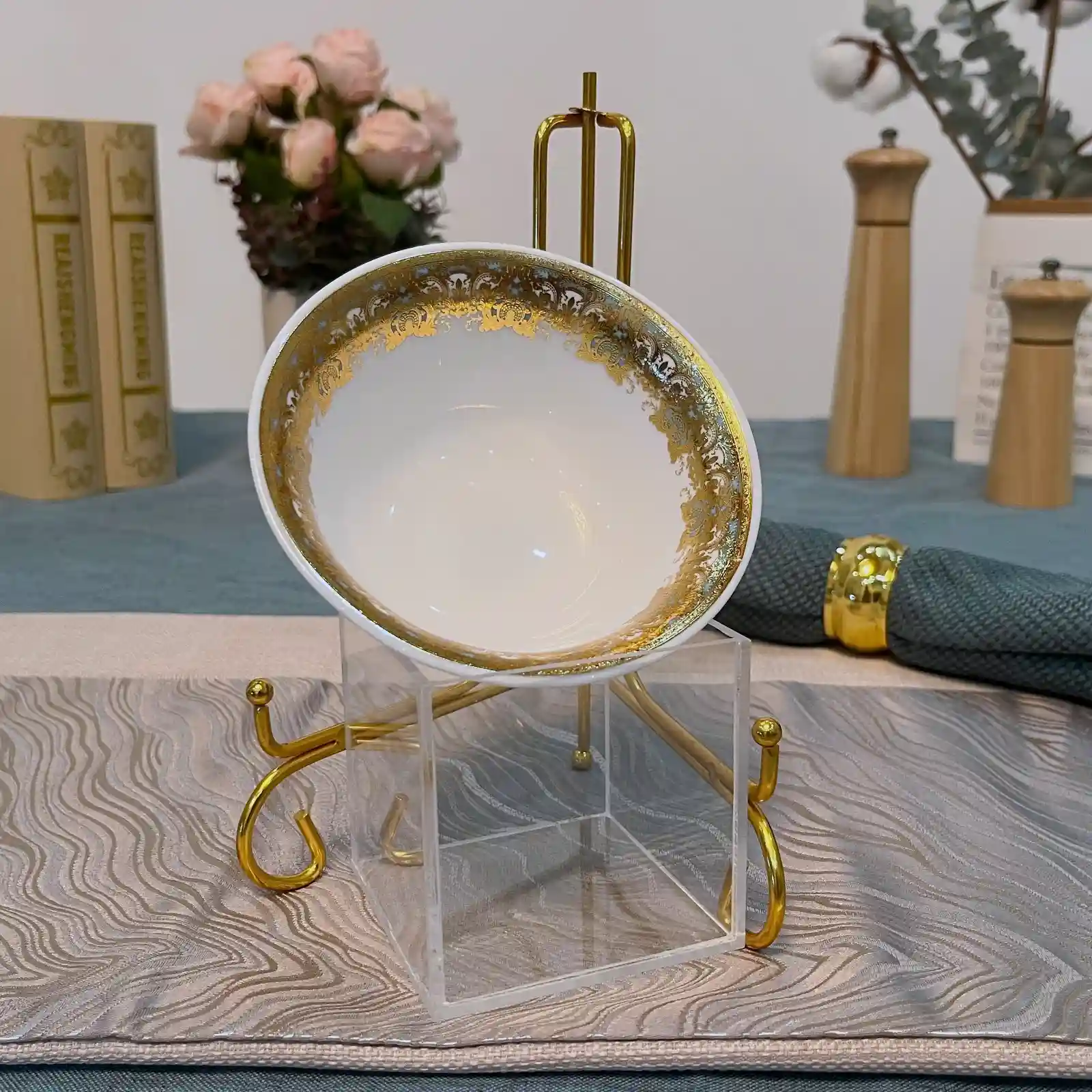
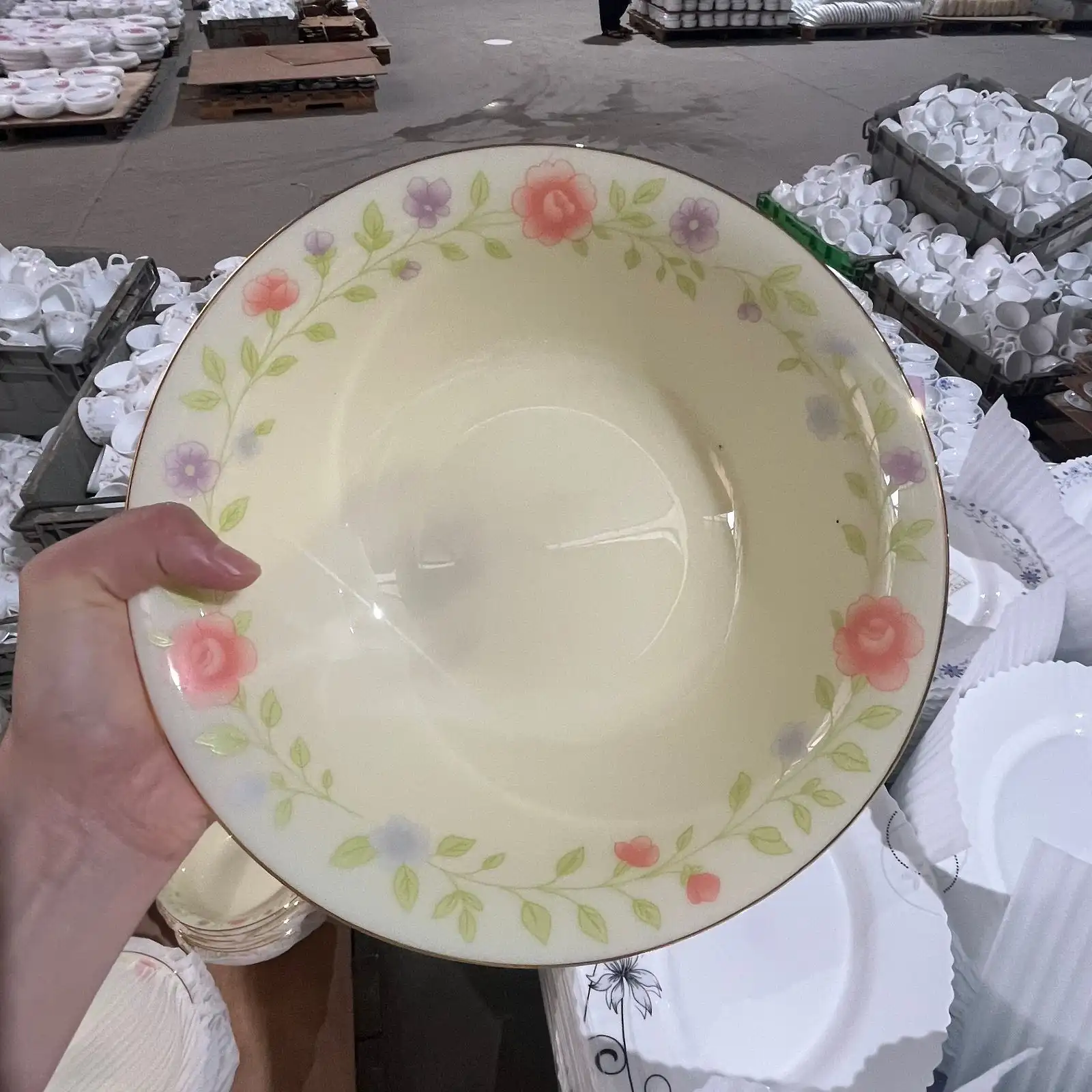
Opal Glass bowls are generally distinguished by capacity, opening diameter, and depth. Rice bowls are relatively compact and suit individual servings of staple foods or small side dishes. Soup bowls need greater internal depth, with capacity and ease of handling as key considerations. Salad bowls usually have a wider opening and can also hold fruit, noodles, or shared dishes.
These bowls can look similar in shape, which makes their intended use difficult to judge from a single product image. Wholesale buyers should compare them against the same background and at the same scale, while recording four details:
- Bowl opening diameter;
- Overall height and internal depth;
- Rated capacity and unit weight;
- Units per carton and packaging structure.
With this data, buyers can determine whether a bowl suits common local serving sizes, retail shelf requirements, and transportation needs. The range also confirms that an Opal Glass product line can cover the main bowl types required for a complete dinnerware collection, rather than plates alone.
Cups include teacups, coffee cups, and mugs
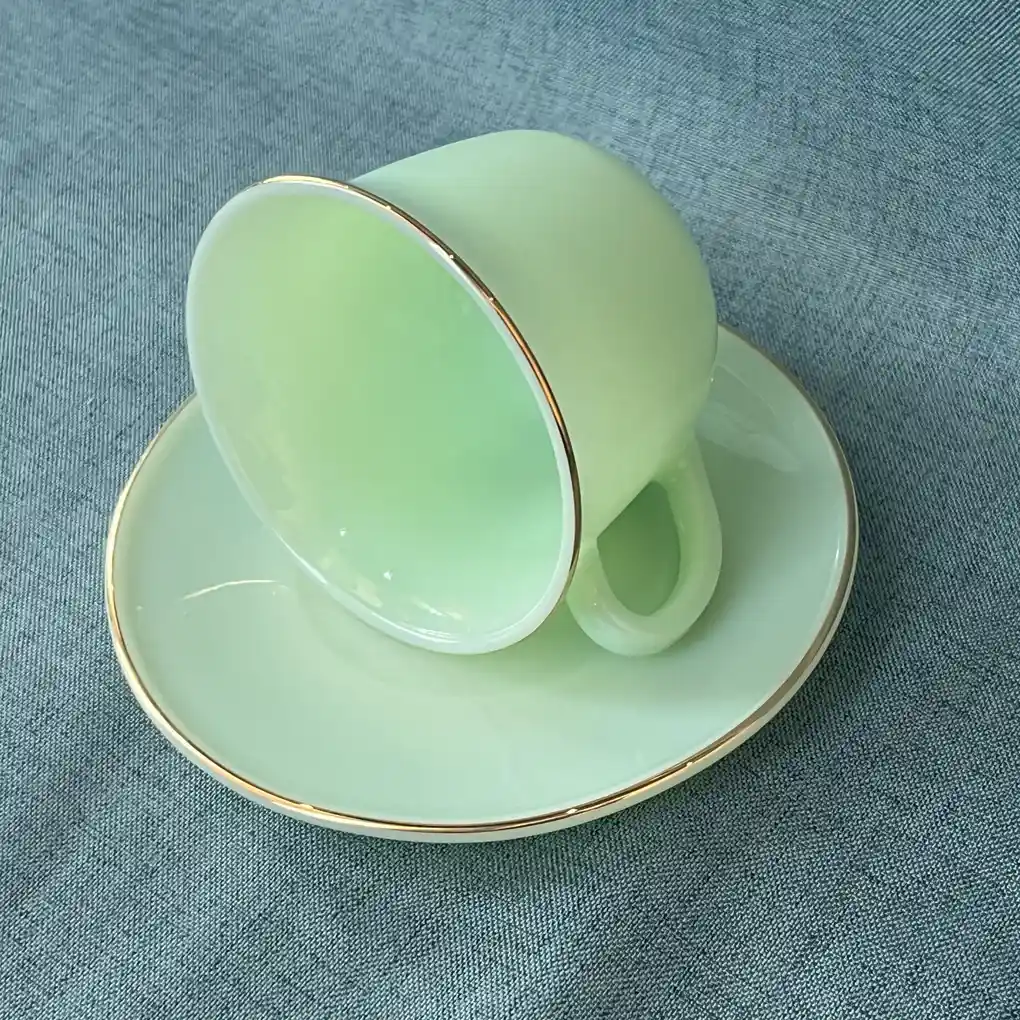
Opal Glass can also be used for drinkware. Teacups usually emphasize a lightweight cup body and a capacity suited to tea. Coffee cups may have a smaller capacity and are often paired with saucers. Mugs place greater emphasis on handle clearance, cup capacity, and stability in everyday use. For procurement, these distinctions are more useful than using cups as a general category.
| Cup type | Main identifying features | Common pairing or sales format |
|---|---|---|
| Teacup | A lighter cup body with a capacity suited to tea | Sold separately or paired with a teapot or saucer |
| Coffee cup | The capacity and rim proportions are better suited to coffee | Often supplied with a matching saucer as a set |
| Mug | A taller body with more pronounced handle clearance | Usually sold as a standalone item or in gift combinations |
Using the same color, decorative pattern, or rim decoration across cups, plates, and bowls creates a consistent look for the full tableware collection. When evaluating whether a supplier has a complete Opal Glass range, buyers should review more than the plate and bowl catalog. The cup body, handle, saucer, and decoration should also form a coordinated series.


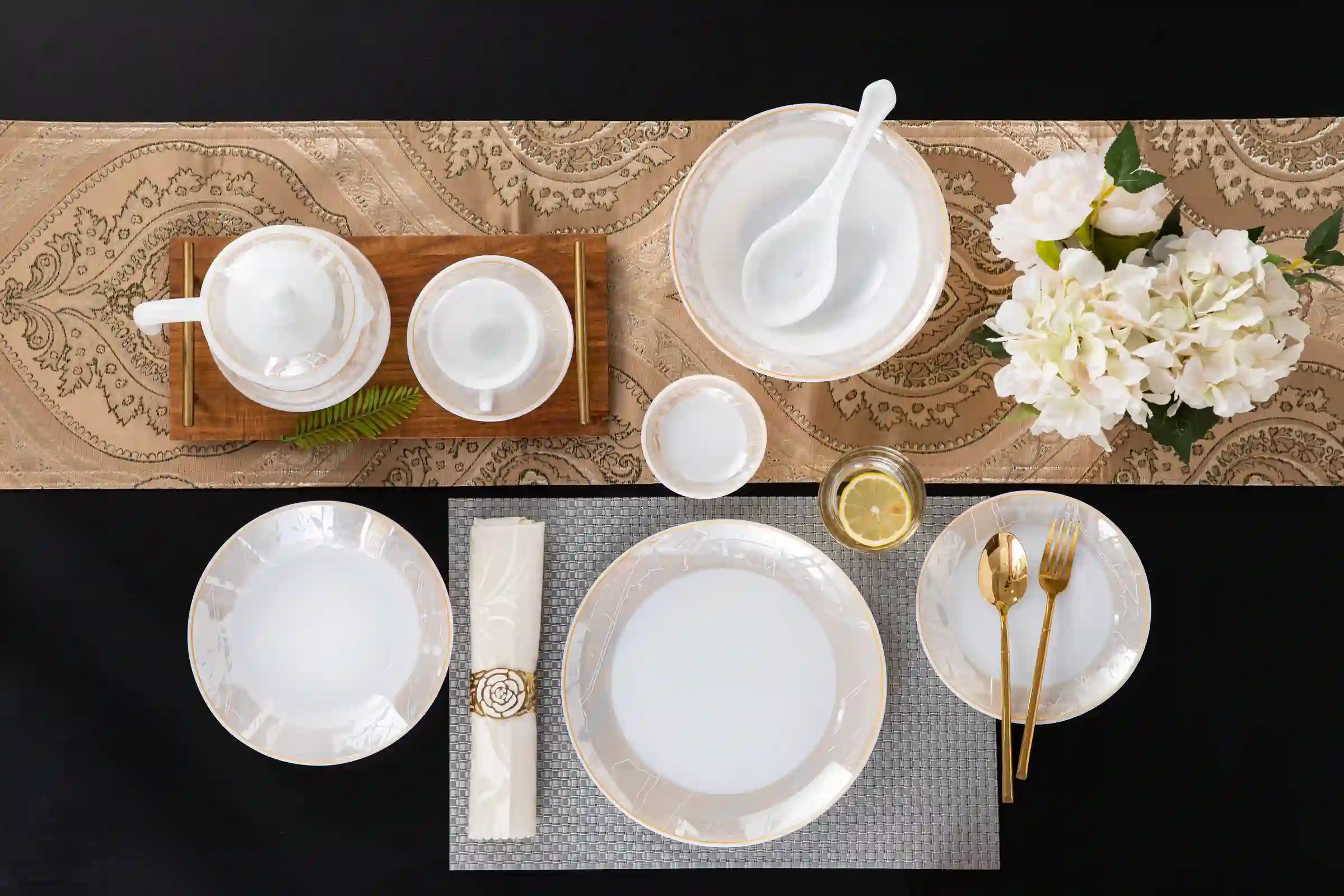
Different individual items can be combined into dinnerware sets
Dinnerware sets combine individual items such as flat plates, deep plates, bowls, cups, and saucers, with the assortment adjusted for the number of users and the sales channel. Household retail sets may focus on the basic pieces needed for everyday meals. Gift sets place more emphasis on presentation and packaging. Hotels and foodservice buyers often order by individual item quantity so they can place replenishment orders later.
A clear set list should answer three questions: which individual items are included, how many pieces of each item are supplied, and whether all pieces belong to the same shape, color, and decorative series. A set may include dinner plates, dessert plates, rice bowls, soup bowls, and mugs. It may also add cups and saucers, oval platters, or serving bowls. A higher piece count does not automatically make a set more suitable for the target market. The deciding factor is whether the assortment fits local dining habits.
When confirming a set, wholesalers should ask the supplier for a full layout image and an item-by-item list. This connects every physical item with its model number, dimensions, and quantity. It also makes it easier to check inner boxes and color boxes, outer-carton dimensions, and individual item codes for repeat orders.
Apart from Thailand, where can buyers find manufacturers that supply this type of Opal Glass tableware?
China has manufacturers specializing in the production and export of Opal Glass tableware
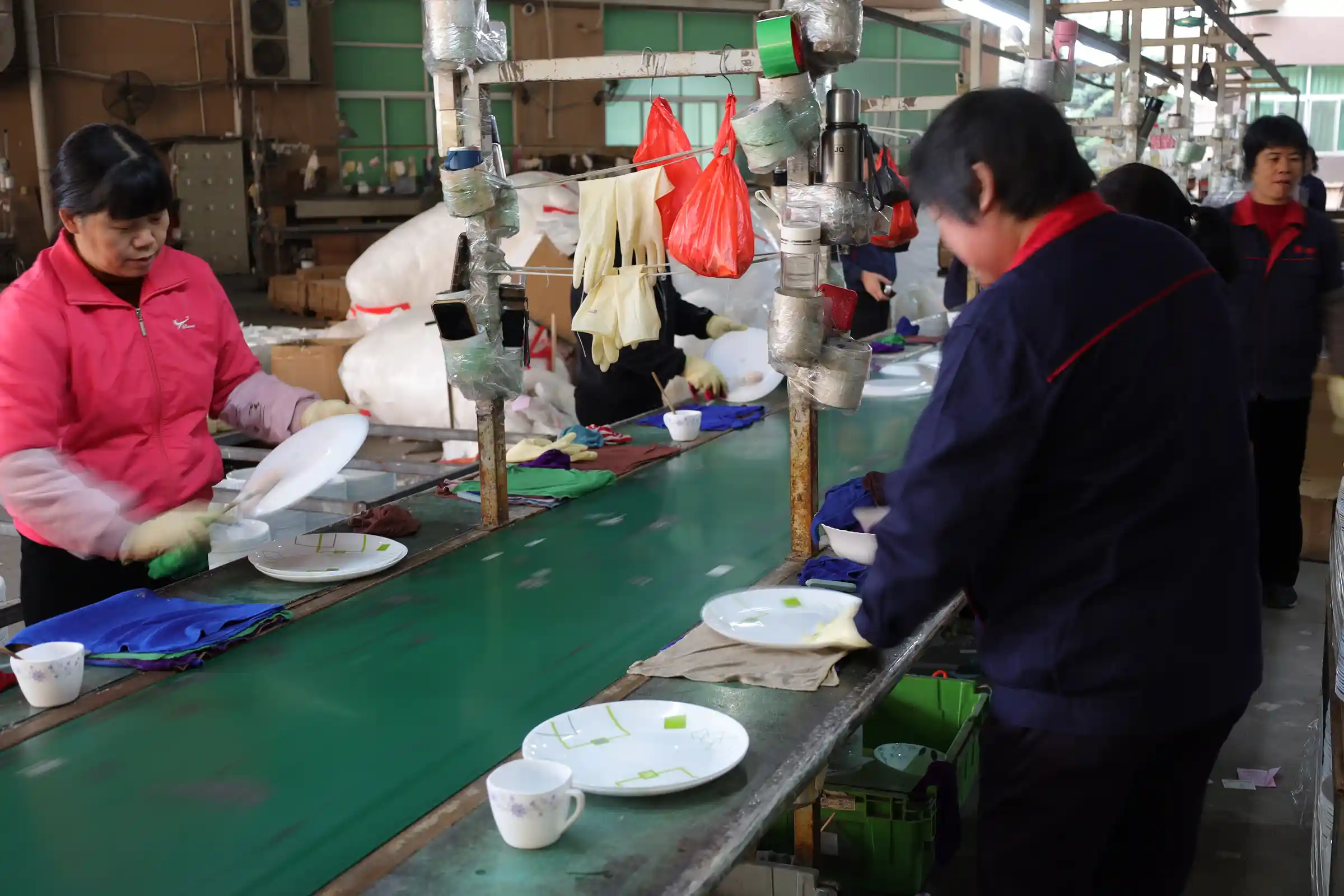
Thailand is not the only manufacturing source for Opal Glass. China also has companies that specialize in producing this type of tableware for overseas markets. To determine whether a Chinese supplier is an actual manufacturer, buyers should look beyond the completeness of the company profile. The more useful evidence is whether the supplier can show a continuous production process and connect each stage with the products it currently sells.
A manufacturer review can check the following points in order:
- Whether the factory has glass-melting equipment and raw-material controls;
- Whether it can show pressing or other forming processes;
- Whether it has annealing, strengthening, and decorating processes;
- Whether finished-product inspection and batch management are in place;
- Whether it can complete inner and outer packaging and container loading for export orders.
Jointion’s factory information shows the production process from melting, forming, and annealing through quality inspection and packaging. Its product range includes Opal Glass plates, bowls, cups and pots, cookware, and dinnerware sets. For buyers who originally searched only for suppliers in Thailand, this type of verifiable factory information shows that China is also a practical source for Opal Glass manufacturers.
Expanding the sourcing region should not lower the screening standard. Buyers should still specify the target model, color, decoration, packaging, and sales-market requirements in the inquiry, then verify them with samples and relevant documents. Procurement comparisons need to focus on a specific factory and a specific order. Broad judgments about which country is better offer little practical value.
India has Opal Glass tableware manufacturers with large-scale production capabilities
India has also developed an Opal Glass production base. La Opala’s research and development information states that the company began producing Opal Glass through a technical collaboration in 1988 and established a related manufacturing facility in Uttarakhand in 2008. This indicates that the Indian market has long-standing local manufacturing capacity in addition to importing and selling these products.
La Opala’s 2023–2024 annual report lists plates, bowls, dinner sets, cups and saucers, mugs, tea sets, and soup sets. The report also states that the combined capacity of its manufacturing units at the time was 32,000 tonnes per year. At the same time, the 4,000-tonne Opalware capacity at the Madhupur plant was suspended. These two details need to be read together. The first confirms a large-scale production base, while the second reminds buyers that the total capacity stated in an annual report does not mean every production line is actively accepting orders.
When contacting Indian manufacturers, buyers should therefore treat published annual reports as indicators of capability rather than proof of immediate lead times. Before requesting a quotation, they still need to confirm which factories are currently operating, which models are available, the minimum order quantity, lead time, and export packaging. Public records can establish a manufacturing base. Current order information determines whether supply is available now.
France also has long-established glass manufacturers that produce Opal Glass tableware
Europe also has companies with a long history of producing Opal Glass. Arc’s public document marking its 200th anniversary states that the company had developed Opal Glass and impact-resistant glass by 1958, later building related brands and product ranges such as Arcopal. This manufacturing history shows that Opal Glass is produced beyond Thailand and Asia.
Manufacturing history and current supply status are separate pieces of information. In a report on Arc’s takeover plan published on March 21, 2026, French newspaper Le Monde confirmed that the Lille Commercial Court had accepted Timothée Durand’s takeover plan. The report also stated that the plan involved closing one of five furnaces and cutting 704 jobs. These are reported facts about the operational restructuring of Arc France at that time. They should not be extended into a claim that French manufacturing or the entire Opal Glass industry faces the same situation.
For buyers, the practical lesson from this news is clear. A long-established company’s technical history can verify product origins and manufacturing experience, but it cannot replace checks on currently active product lines, factory arrangements, lead times, and future replenishment. Whether sourcing in France, Thailand, China, or India, buyers should return to the same procurement criteria: the product meets the requirement, the production status can be verified, and the order can be delivered consistently.