
Quick answer: Opal glass is usually the closest practical match for lightweight, space-saving everyday dinnerware. Bone china is the premium option when appearance matters as much as easy handling. Neither uses Corelle’s Vitrelle construction, so judge the finished product rather than the material name alone.
What Are the Best Corelle Alternatives?
For most buyers, the choice comes down to opal glass or bone china. Each serves a different priority.
- Choose opal glass for lightweight handling, slim stacking, easy care, and an accessible everyday price.
- Choose bone china for lightweight handling with a finer, more premium table presentation.
Opal glass is the closer match for most households, retailers, rental properties, and hospitality programs. Its opaque glass body can be formed into slim plates and bowls, helping a full set occupy less cabinet space than many conventional ceramic collections.
Bone china can also be thin and light, but its finer body, translucency, and decoration options create a more polished look. It suits premium collections and gifting, usually at a higher price and sometimes with stricter care requirements.
Corelle Alternative Materials Compared
Once the priorities are clear, material sets the direction, while design and manufacturing determine how the set performs in daily use.
| Decision point | Opal glass | Bone china |
|---|---|---|
| Closest Corelle-like benefit | Lightweight, slim, practical everyday use | Lightweight handling with a premium appearance |
| Typical stack | Compact when the foot and profile nest well | Compact, though shape and decoration can add height |
| Price position | Accessible everyday range | Premium everyday or gifting range |
| Durability focus | Rim finish, impact, thermal stress, and strengthening | Rim chipping, body formulation, firing, and thickness |
| Care | Plain finished products may support dishwasher and microwave use | Plain products may support both; metallic decoration often limits care |
| Best fit | Families, retail, rentals, and hospitality | Premium home collections, gifting, and refined table settings |
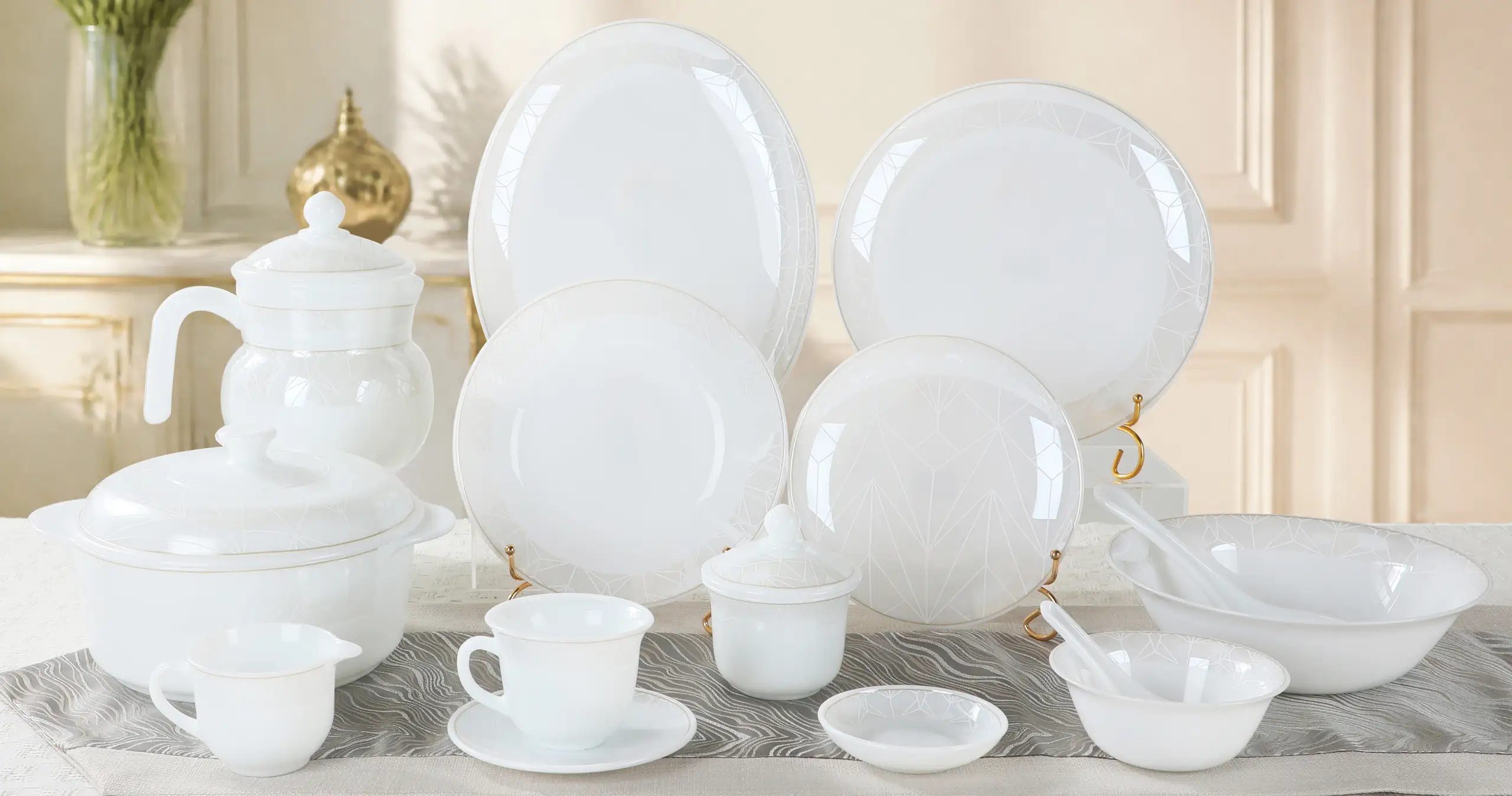
Opal Glass: Easiest to Stack, Lightweight
Opal glass is the closest practical match when the goal is thin lightweight dinnerware that is easy to lift and compact to store. Its smooth, opaque surface also delivers the clean white look many people associate with everyday Corelle dishes.
Bone China: Leans Toward Elegant Table Presentation
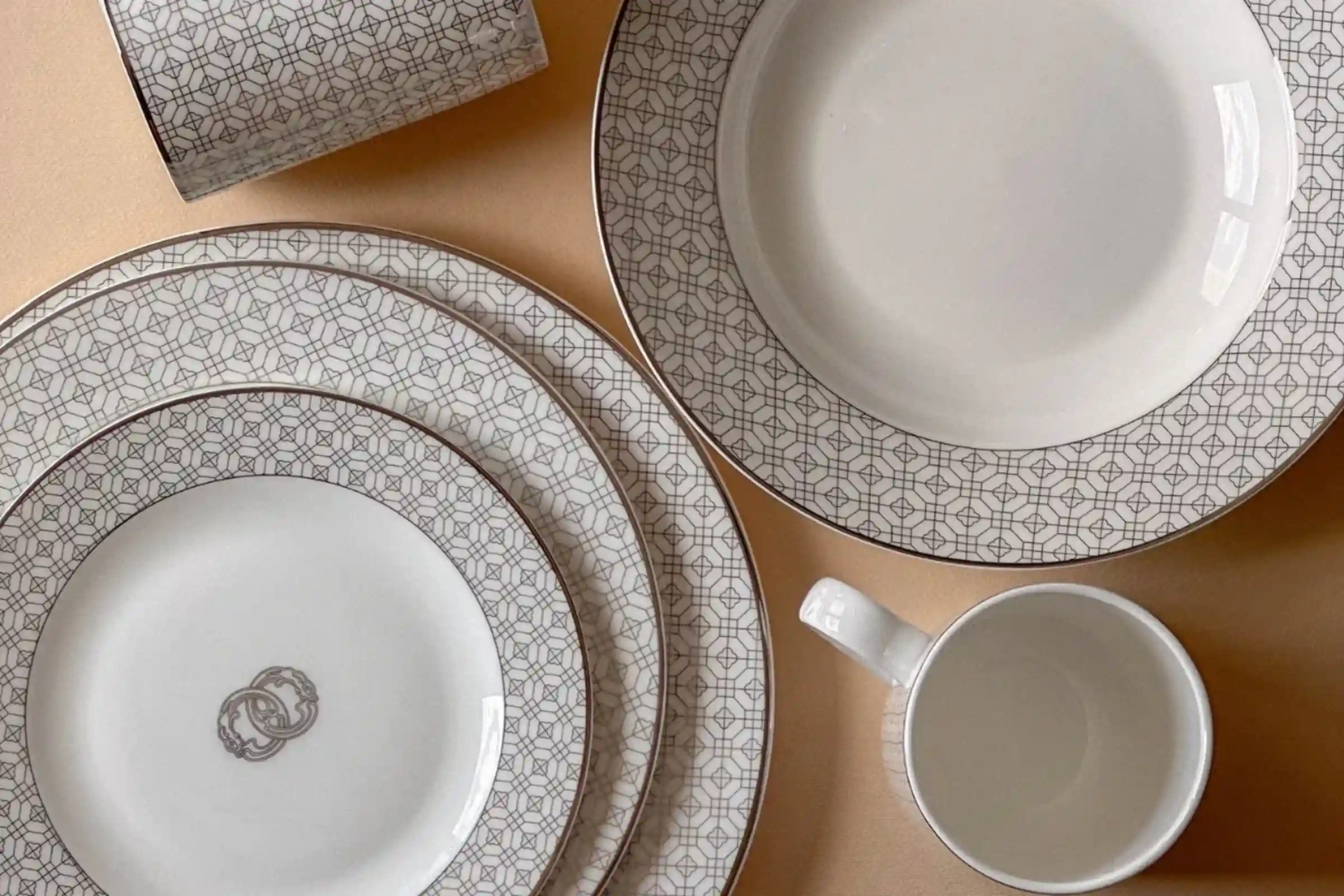
Bone china is the best lightweight premium option when easy handling needs to come with a finer table appearance. A well-made piece can feel light for its size while offering the translucency and refined surface expected from premium dinnerware.
Its value appears most clearly on the table. Compared with plain opal glass, bone china offers a more formal presentation and stronger gifting appeal. The higher price reflects the finish as well as the low weight.
For premium retail, gifting, or an elevated home collection, those trade-offs may be worthwhile. When the main need is affordable, compact, low-maintenance dinnerware similar to Corelle, opal glass remains the more direct choice.
How to Choose the Right Corelle Alternative
Material narrows the options. The next step is to check whether the set delivers easier lifting, compact storage, dependable daily use, simple care, and replacement availability.
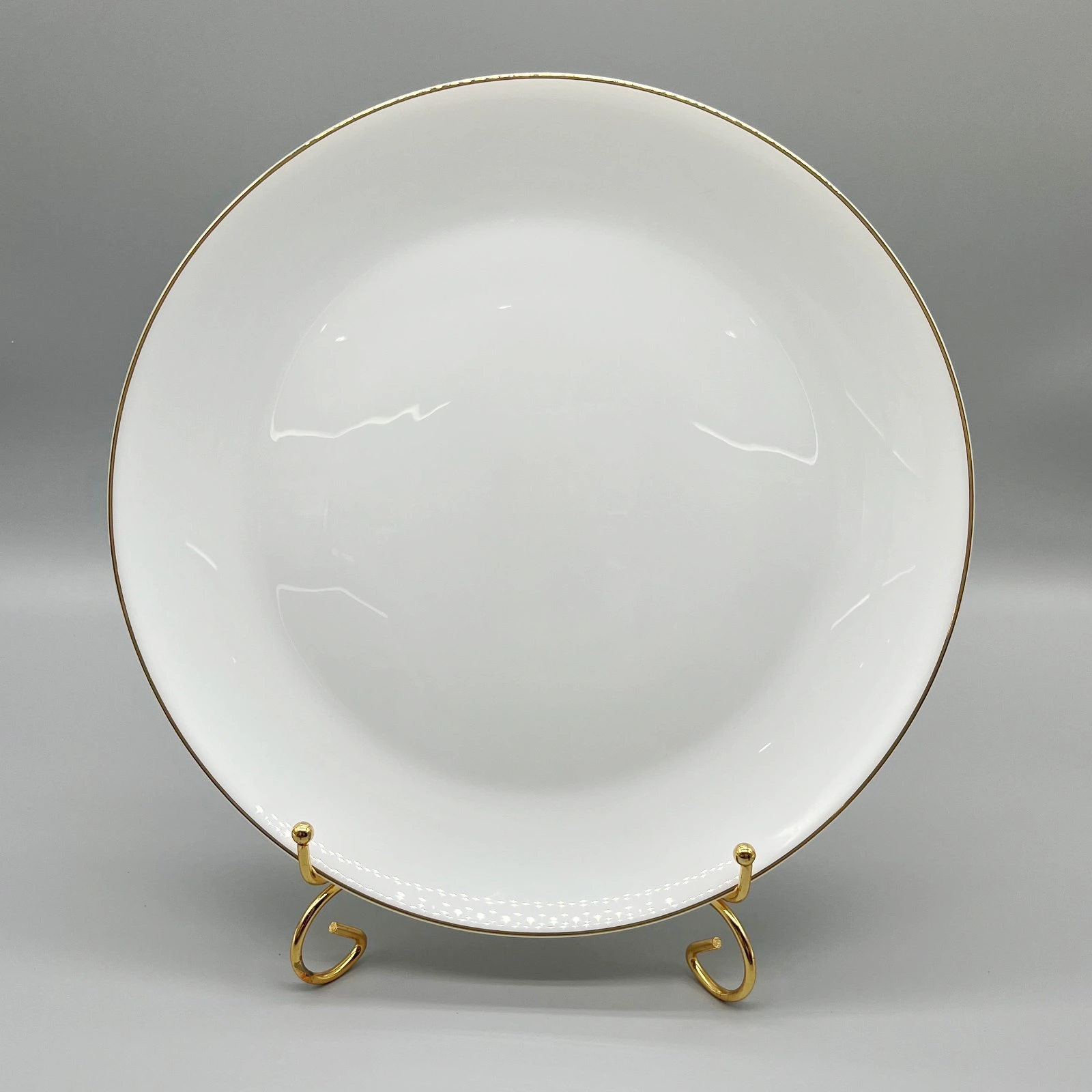
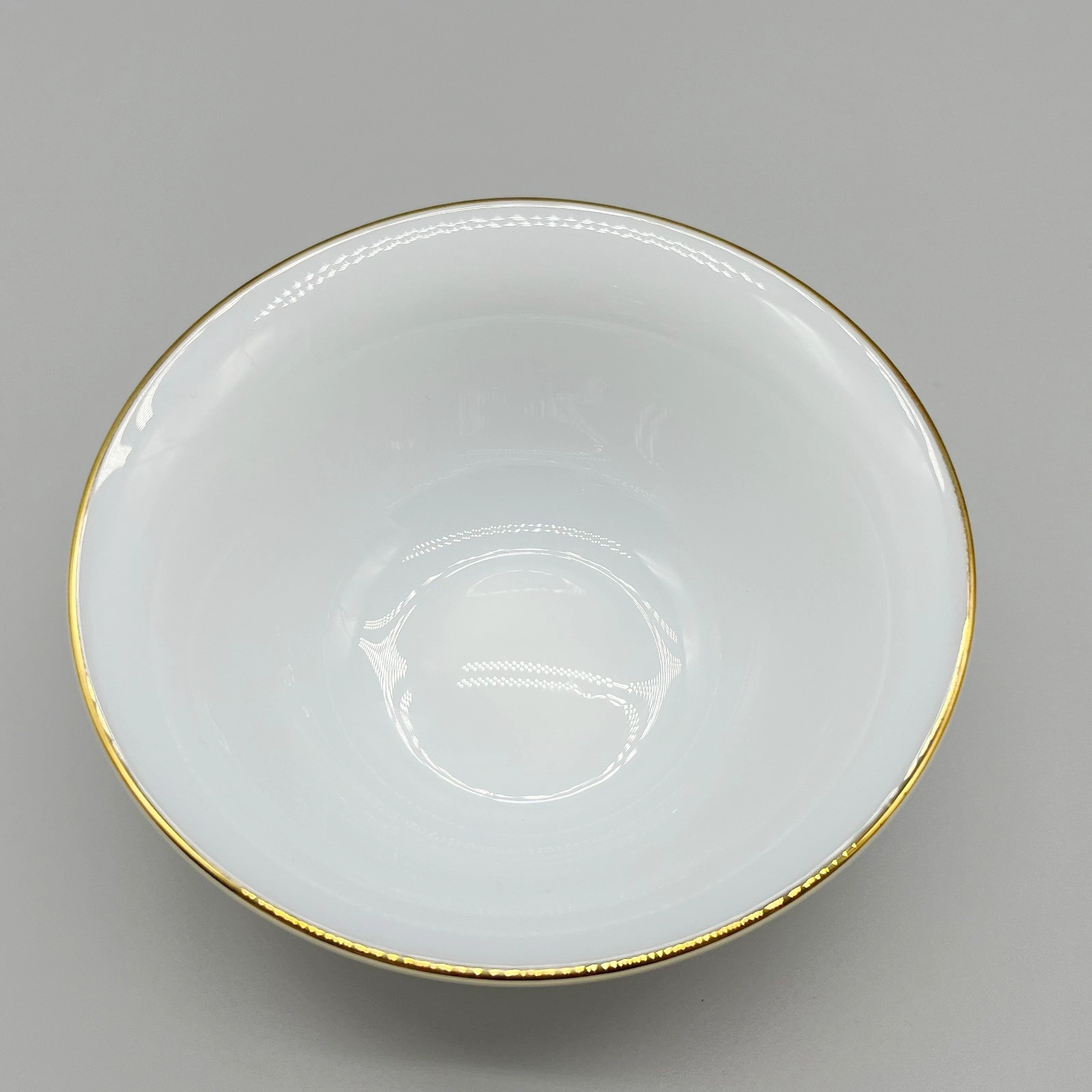
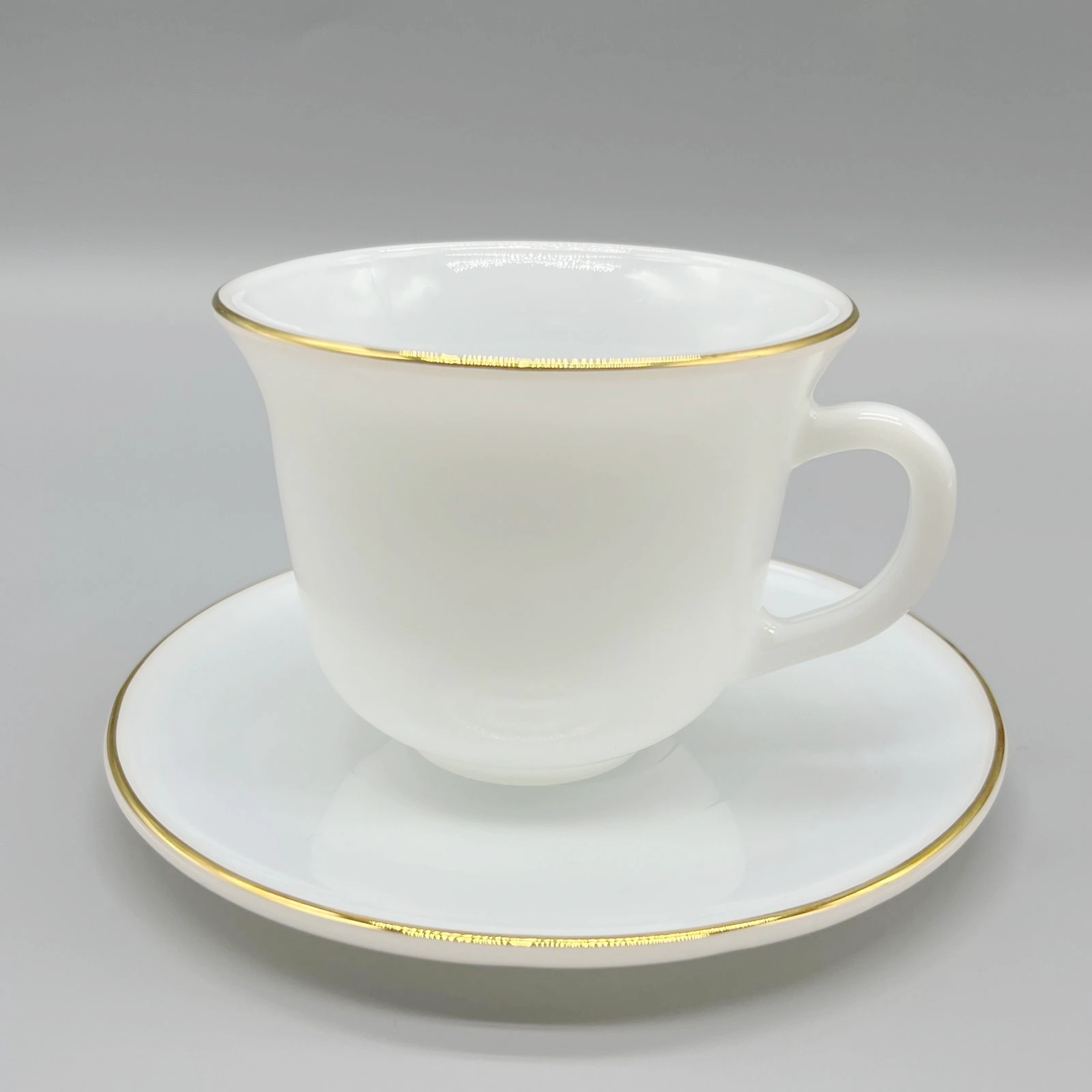
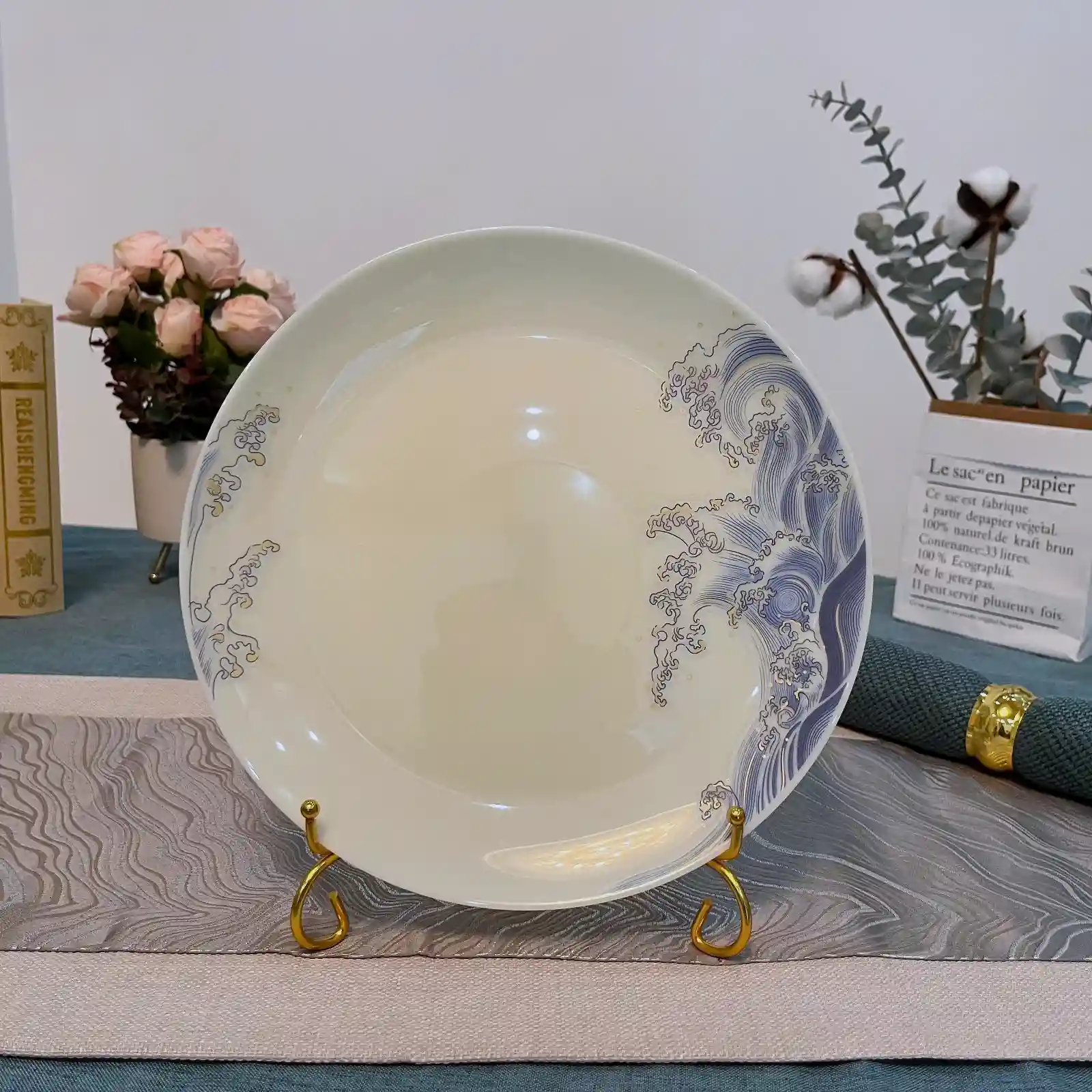
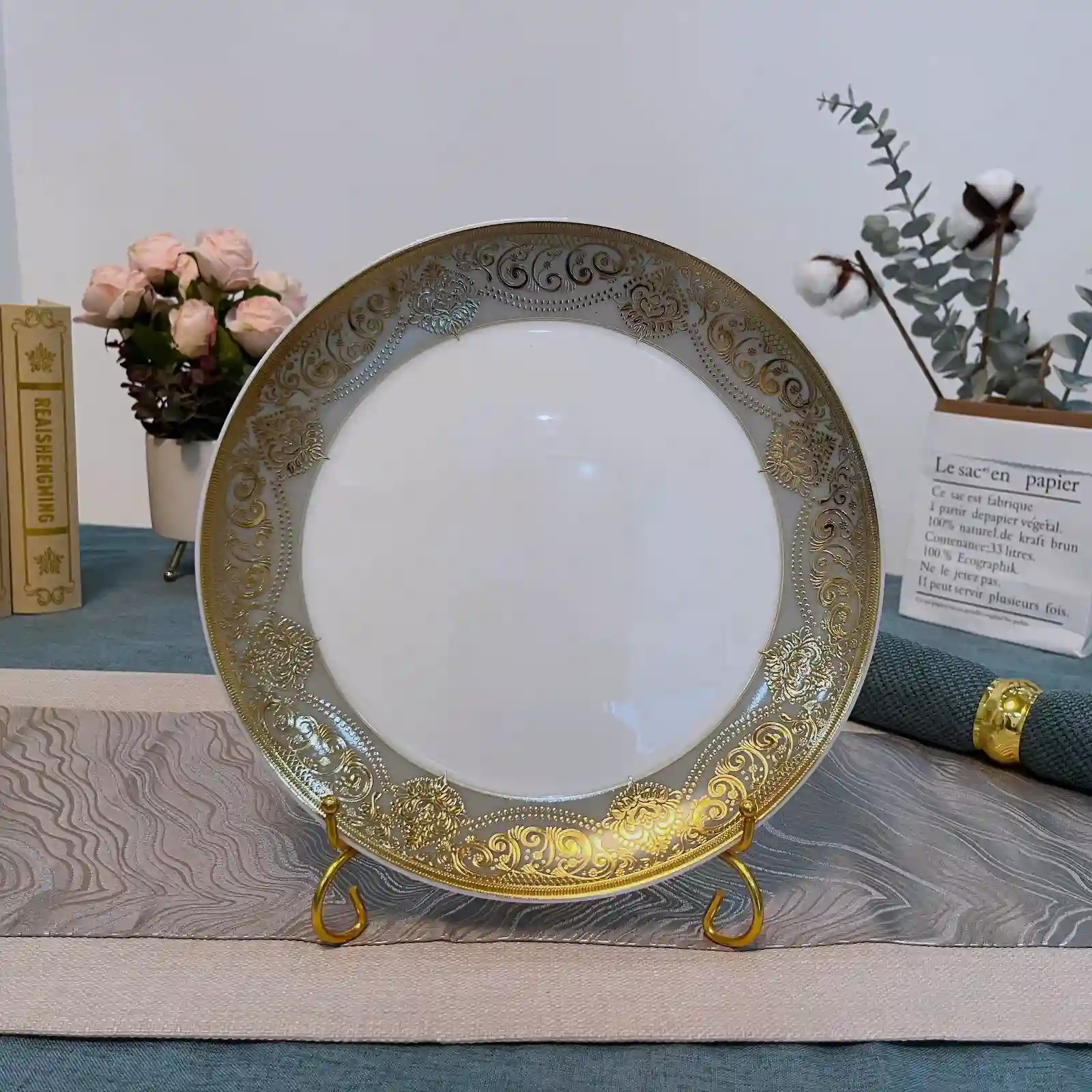
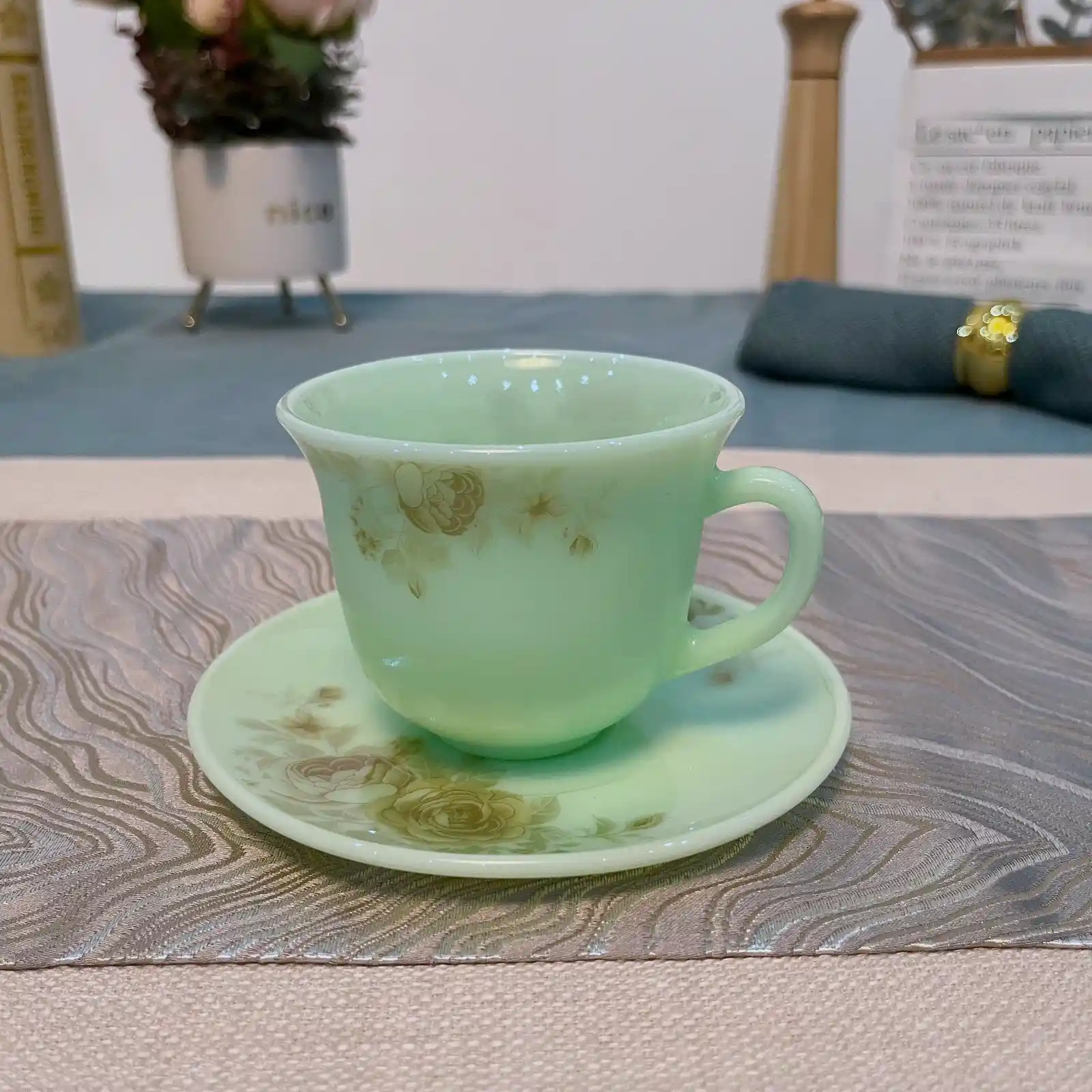
Before this, I’ve attached a few opal glass tableware items for your reference (these are products we export by the container to customers worldwide every month), so you can get a direct sense of what this type of tableware looks like. (Also, we are a OEM direct factory for Corelle, but we don’t compete with Corelle — so we cover wholesale and don’t participate in retail.)
Prioritize Weight, Thickness, and Stacking
Low weight, thin profiles, and stable stacking matter most because they recreate the handling and storage benefits people notice every day. A lightweight claim means little without the size of the item, its actual weight, and the way the full set stacks together.
Use the same comparison for each sample:
- Compare plates of the same type and similar diameter.
- Stack six pieces and record their total height and weight.
- Press lightly at the edge to see whether the stack rocks.
- Lift the stack and notice whether it feels balanced and easy to grip.
- Repeat the check with bowls and a complete place setting.
A few extra millimeters seem minor on one plate but become obvious across a full stack. Poorly matched feet can make dishes rock and increase rim contact. Making a piece too thin may also weaken exposed areas. The goal is a compact, balanced set with enough strength for daily use.
Check Each Durability Risk Separately
Chip, scratch, and break resistance need separate evidence because they describe different ways lightweight dinnerware can fail. A general durability claim does not show which risk the product handles well.
| Risk | What happens in use | What to examine |
|---|---|---|
| Rim chipping | The edge strikes another plate, a sink, or a rack | Rim shape, edge finish, and impact test conditions |
| Impact breakage | A piece falls or receives a hard strike | Product type, drop height, impact surface, and test result |
| Surface marking | Utensils, abrasive cleaning, or rough stacking leave marks | Surface finish and cleaning guidance |
| Thermal stress | Sudden temperature change creates uneven expansion | Thermal test conditions and care instructions |
| Decoration wear | Heat, detergent, and repeated washing affect the design | Dishwasher-cycle results for the finished decoration |
Each risk develops differently. Rims receive concentrated impact, surface marks build through repeated contact, and rapid temperature changes can cause thermal cracking. One test cannot support every durability claim.
Terms such as chip-resistant dinnerware and break-resistant dinnerware need clear test conditions. Compare similar-sized samples under the same method, then observe them during normal washing and stacking to catch handling issues a laboratory result may miss.
Frequently Asked Questions About Corelle Alternatives
These answers cover the questions that often decide whether a product truly fits the Corelle alternative use case.
Opal Glass Is the Closest Material?
Opal glass is usually the closest material for light, thin, smooth, stackable dinnerware. A well-designed set can reproduce many handling and storage benefits associated with Corelle.
It is still a different material from Corelle’s Vitrelle laminated glass. The final judgment should come from the finished product’s weight, thickness, rim design, heat treatment, care guidance, and test conditions.
Lightweight Dinnerware Can Still Break?
Lightweight glass and ceramic dinnerware can offer useful everyday durability, but no breakable dinnerware is completely unbreakable. Opal glass and bone china may both fail after a strong impact, a sudden temperature change, or unsuitable handling.
The main risk depends on the setting. Households may focus on rim chips, utensil marks, and dishwasher wear; hospitality programs also face frequent stacking, transport, and replenishment. Compare similar-sized samples under the same conditions.
Safety Depends on the Finished Product?
Dishwasher and microwave safety depends on the finished body, decoration, and surface treatment. Many plain opal glass and bone china collections can support both uses when they are specified and tested accordingly.
Metallic details, decals, coatings, and rapid temperature changes may add restrictions. Follow the exact collection’s care statement, and treat microwave-safe and oven-safe as separate claims.
Open Stock Simplifies Replacements?
Open-stock supply lets users replace one plate or bowl instead of buying another set. It is especially useful for household, retail, rental, and hospitality ranges used every day.
Consistent replacements depend on retained molds, dimensions, color standards, finishes, decoration files, and packaging records. Before placing an order, confirm which pieces can be reordered, the minimum replenishment quantity, acceptable batch variation, and the usual supply lead time.
For most buyers seeking a lightweight, thin, stackable, and easy-care Corelle alternative, opal glass is the strongest starting point. Bone china becomes the better answer when the same low-weight experience also needs a premium appearance.
The final check is practical: lift the stack, measure its height, inspect contact points, review each durability risk, read the finished-product care instructions, and confirm replacement supply. Jointion can turn those requirements into an opal glass specification, sample set, decoration plan, and packaging format for the intended market.